





A powerful tennis serve is the foundation of every winning point, shaping the pace and outcome of matches at every level. In today's fast-paced game, mastering the basic tennis serve is more crucial than ever for those wanting to stand out on the court.
This guide is designed for 2026, offering a straightforward approach for players aiming to build a dependable serve, whether just starting or looking to refine skills. By learning the fundamentals and practicing the right techniques, anyone can dramatically improve their confidence and performance during matches.
Throughout this article, readers will discover the building blocks of a great serve, step-by-step instructions, common mistakes to avoid, practical drills, and advice on selecting the ideal equipment. Get ready to unlock your full potential and see real progress with every swing.
Understanding the Fundamentals of a Tennis Serve
The basic tennis serve is the launchpad for every rally, setting the tone for each point. A well-executed serve can create instant pressure, giving the server the upper hand before the rally even begins.
There are several types of serves, but for those learning the basic tennis serve, it is best to focus on the flat serve. Other varieties, like the slice and topspin serve, add spin and complexity once the fundamentals are mastered.
Players must stand behind the baseline and serve diagonally into the opposite service box. Be mindful to avoid foot faults by keeping both feet behind the line until the ball is struck.
Grip matters. The continental grip is widely recommended as the foundation for a consistent serve. This grip helps maintain control and allows for smooth wrist movement. Stance is just as crucial: a side-on position with balanced feet ensures proper body alignment.
The science behind a powerful serve lies in the kinetic chain, where energy travels from the feet through the body to the racquet. Coordination and timing amplify this effect. According to Serve Effectiveness in ATP Tour, players who land their first serve win over 70 percent of those points.
Even at club level, mastering a reliable basic tennis serve gives players a noticeable advantage. Consistency at the start of each point can tip matches in your favour.
Step-by-Step Guide to Performing the Basic Tennis Serve
Mastering the basic tennis serve is a game-changer for players at any level. Let’s break down each stage so you can build a strong, reliable serve in 2026. Focus on these fundamentals, and you’ll notice real improvements on the court.
Preparation and Grip
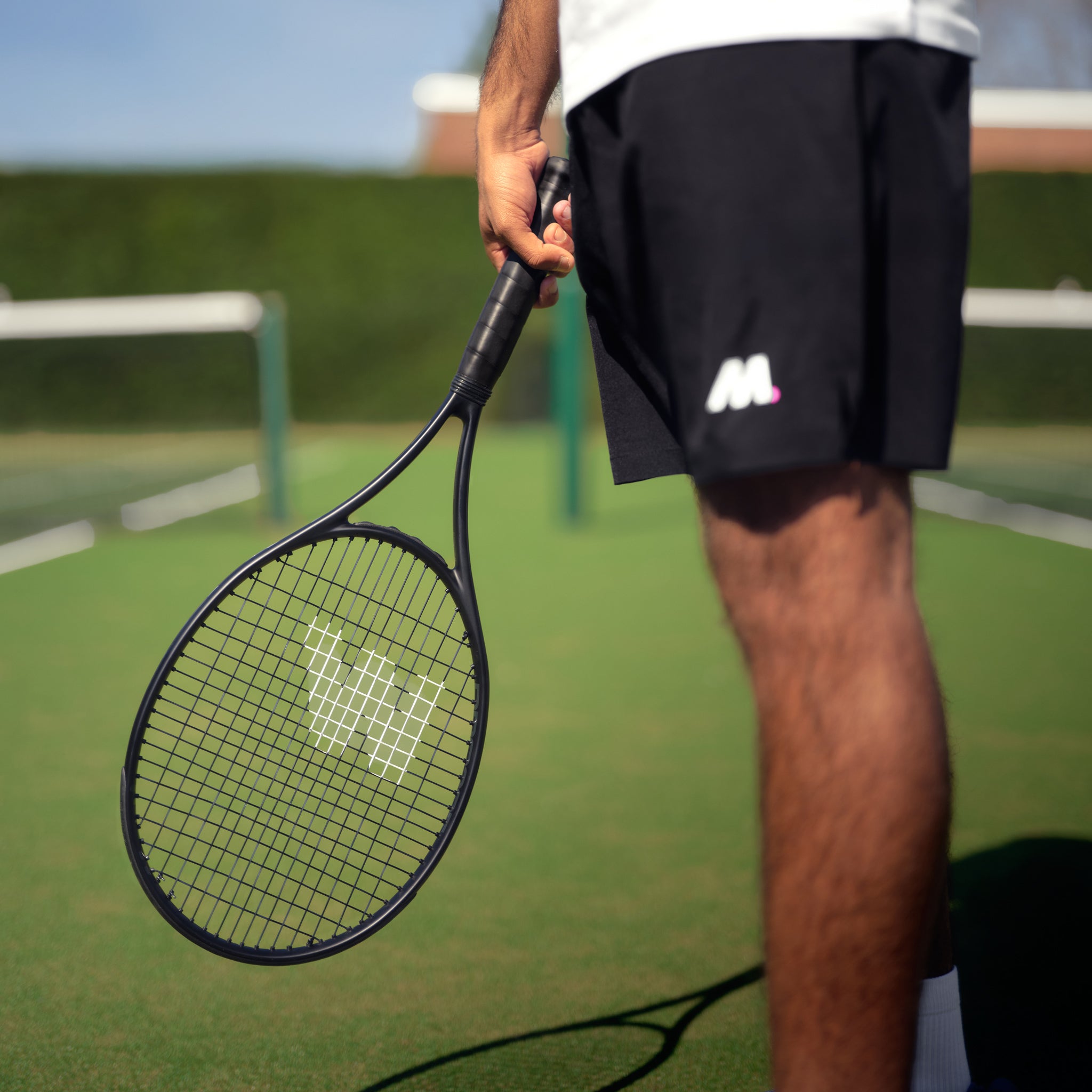
Choosing the right racquet and tennis ball for your skill level lays the foundation for a dependable basic tennis serve. Start with a racquet that feels comfortable and balanced in your hand. The continental grip, where the base knuckle of your index finger sits on the second bevel, is the gold standard for this serve.
Hold the racquet with a relaxed grip—avoid squeezing too tightly. This relaxed approach maximises control and fluidity. Mantis coaches often advise players to begin with a loose grip to prevent tension, which can lead to mistakes. Position the racquet so it points upwards, ready for your next move.
Toss and Stance
A consistent ball toss is crucial for a successful basic tennis serve. Aim to toss the ball slightly in front and to the right if you’re right-handed, or to the left if you’re left-handed. The ideal height is just above your outstretched racquet arm, ensuring the ball remains within easy reach.
Focus on your feet: keep your back foot parallel to the baseline and your front foot angled toward the service box. This stance helps maintain balance and direction. Studies using video analysis reveal that improving toss consistency can boost serve accuracy by up to 40 percent.
Swing and Contact
The swing phase shapes the power and precision of your basic tennis serve. Begin with a controlled backswing, dropping the racquet head behind your back into the “trophy position.” This sets up the kinetic chain, allowing energy to flow smoothly from your legs through your body.
As you swing upwards, pronate your forearm to generate speed. Make contact with the ball at full arm extension, ideally at the highest point above your head. Slow-motion breakdowns of professional players show most pros connect at their maximum reach for optimal results.
Follow-Through and Recovery
After striking the ball, let your arm continue its natural motion across your body. This smooth follow-through is essential for controlling the basic tennis serve and reducing the risk of shoulder injury. Your racquet should finish on the opposite side of your body, with your weight moving forward.
Transition quickly into a ready position, preparing for the next shot. Balanced footwork helps you recover fast, keeping you in the rally. Emphasising follow-through not only protects your arm but also increases serve consistency over time.
Practice Tips for Each Step
Practising each stage of the basic tennis serve builds muscle memory and confidence. Try these drills:
- Grip drills: switch between loose and tight grips to feel the difference.
- Toss drills: toss with eyes closed to train consistency.
- Shadow swings: rehearse your motion without a ball.
- Wall practice: serve against a wall to check form.
Mantis recommends using video feedback for self-assessment. Just ten minutes of focused daily practice can yield noticeable improvements within weeks. For more detailed advice, explore this Tennis serve technique guide.
Common Mistakes and How to Avoid Them
Every tennis player faces setbacks when learning the basic tennis serve. In fact, research shows that beginners can lose up to 30% of their serve points just from technical mistakes. That means understanding and fixing these common errors can instantly boost your success on court.
Toss troubles are a frequent culprit. Tossing the ball too high, too low, or inconsistently makes hitting a controlled basic tennis serve nearly impossible. The ball should be tossed at a consistent height, slightly in front and to the side of your hitting arm.
A second major issue is gripping the racquet too tightly. This restricts movement and drains power from your basic tennis serve. For those struggling with grip, check out How to grip a tennis racket for step-by-step guidance. A relaxed, continental grip is key for control and flexibility.
Stance mistakes, like open hips or poorly aligned feet, can send your serve in the wrong direction. Foot faults—stepping on or over the baseline before contact—are another source of lost points. Rushing through the serve without proper timing or skipping the follow-through often results in weak shots and missed opportunities.
To overcome these pitfalls, use targeted drills, focus on slow-motion practice, and seek regular feedback from coaches or video analysis. Even a few focused sessions can transform your basic tennis serve from a liability into a weapon, helping you win more points and play with greater confidence.
Drills and Practice Routines for Serve Improvement
Improving your basic tennis serve requires more than just repetition. Focused drills and routines are the secret to developing power, accuracy, and confidence every time you step behind the baseline.
Before starting any basic tennis serve practice, begin with dynamic warm-up movements. These boost flexibility and help prevent injury. Incorporating tennis footwork drills will also prepare your body for a smooth serving motion and quicker recovery after each point.
Next, target-based serving drills are perfect for building precision. Place cones or targets in the service box and aim for them, challenging yourself to increase your hit rate each session. This makes practice engaging and gives immediate feedback on your progress.
To master the basic tennis serve, repetition is vital. Set a goal for each session, such as 50 quality serves. Try shadow serving without a ball to refine your motion and reinforce muscle memory without the pressure of hitting.
Video analysis is a powerful tool for self-improvement. Record your serves, then review your stance, toss, and follow-through. Many players use digital apps or keep a serve log to track improvements and spot patterns in their performance.
Practising with a partner or group adds both motivation and accountability. Friendly competition can push you to improve, while feedback from others highlights areas for growth. Club players who commit to targeted drills often see a 25% increase in first serve success rates within weeks.
Choosing the Right Equipment for Your Serve
Selecting the right gear is a game-changer for anyone looking to master the basic tennis serve. The right racquet weight and balance can help you generate power while maintaining control. Grip size is equally vital, as a comfortable hold reduces the risk of arm strain and allows for smoother motion.
When it comes to balls, pressureless options are great for long practice sessions, while pressurised balls deliver a more authentic match feel. Stable tennis shoes with good grip support quick footwork, helping you stay balanced during your serve.
| Equipment | Why It Matters for Serves |
|---|---|
| Racquet weight | Heavier models boost power |
| Grip size | Prevents injury, enhances control |
| Ball type | Practice (pressureless) vs. match |
| Shoes | Stability and grip for footwork |
Players who use racquets matched to their skill level often report fewer injuries and better serve consistency. Mantis offers precision-crafted racquets and gear designed to support serve development and overall game improvement. Choosing high-quality equipment tailored to your needs can make a noticeable difference in both serve speed and control, giving your basic tennis serve the edge it needs to stand out.
Resources and Further Learning
Mastering the basic tennis serve means committing to ongoing improvement. No matter your current level, the right resources can transform your progress and keep you motivated.
Explore these options to deepen your understanding and refine your skills:
- Video tutorials and slow-motion breakdowns: Ideal for visual learners wanting to perfect each stage of the basic tennis serve.
- Books and technical guides: Delve into serve mechanics, footwork, and mental strategies with expert-authored material.
- Local tennis clubs and coaching programmes: Hands-on instruction and feedback accelerate development for every player.
- Digital apps and tracking tools: Monitor your serve speed, placement, and consistency using modern technology.
For equipment advice and racquet reviews, racketbusiness.com remains a trusted resource for comparing gear and discovering the best tools for your basic tennis serve journey.
Joining tennis forums and social groups provides community support, fresh drills, and motivation to push your serve to new heights. Stay curious, keep practising, and regularly seek out the latest serve techniques to stay ahead in the game.
After diving into the fundamentals, techniques, and gear that truly make a difference in your serve, it’s clear that real progress comes from dedication and choosing equipment that matches your ambition. Whether you’re fine tuning your toss or working on that perfect follow through, every detail counts. If you’re ready to push your game further and want racquets and gear that genuinely support your journey—crafted with the same obsession for improvement you bring to the court—Mantis is here for committed amateurs. Why settle for mainstream when your serve deserves more? Let’s chase that next level together.