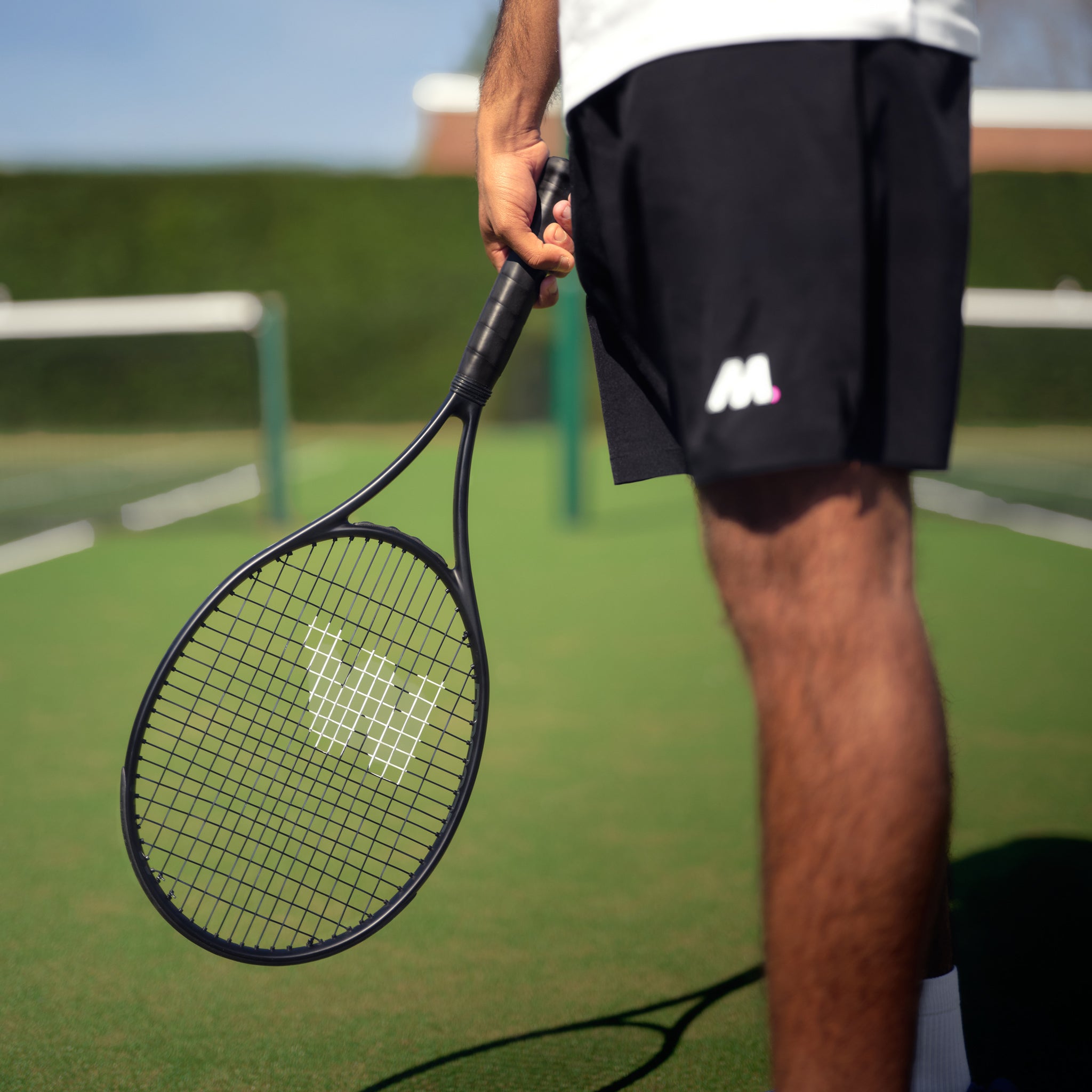
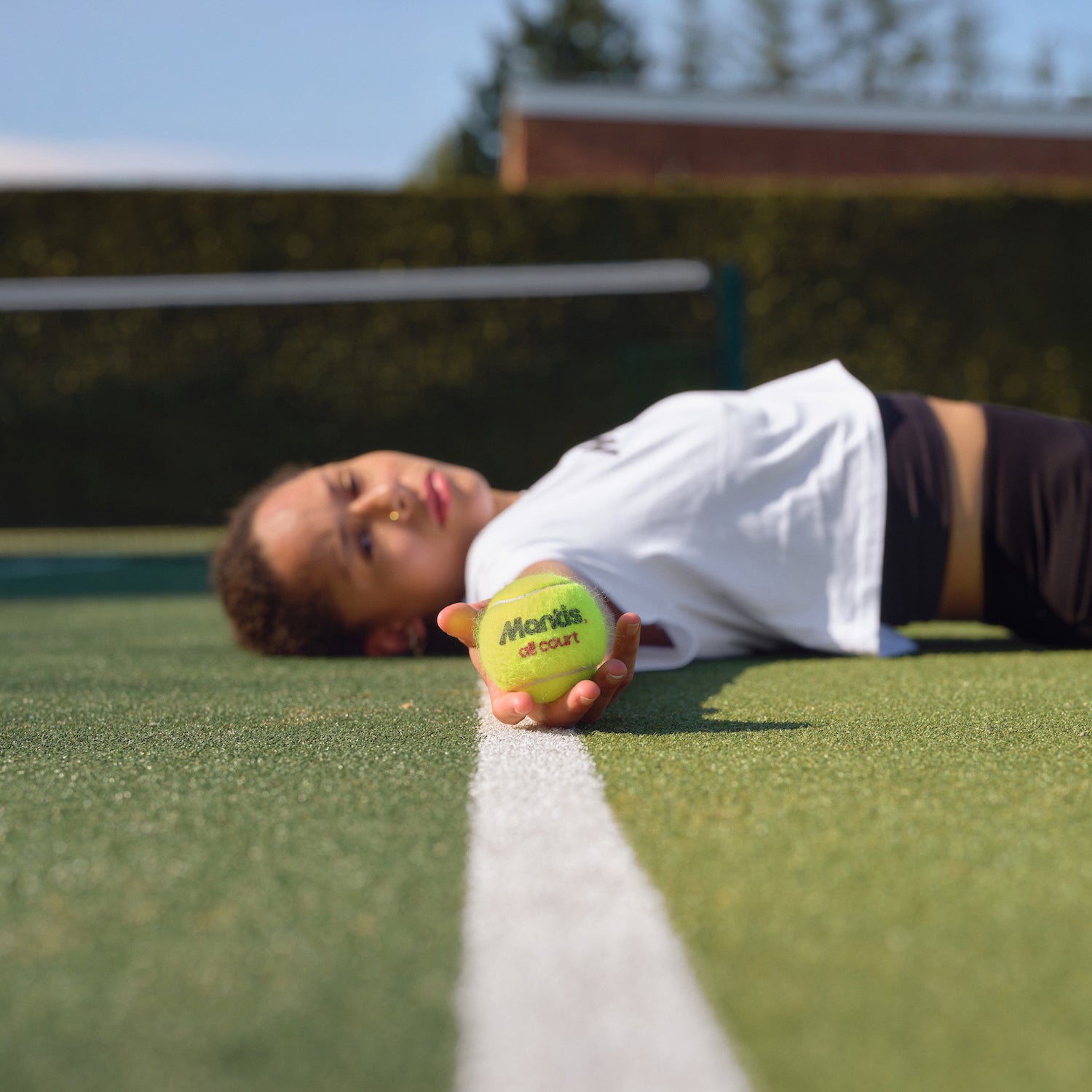






Finding the right racquet is one of the most transformative decisions an intermediate player can make. You've moved beyond beginner territory-your strokes are more consistent, your footwork sharper, and you're starting to develop a playing style that feels uniquely yours. But here's the challenge: the racquet that brought you to this point might now be holding you back. This is where understanding the best light tennis racquets for intermediate players becomes crucial. The right frame can amplify your strengths, reduce fatigue during long matches, and help you continue progressing without the risk of injury.
Why Weight Matters More Than You Think
Every gram counts when you're competing at club level or grinding through weekend tournaments. A lighter racquet-typically defined as anything under 295g unstrung-offers distinct advantages for players refining their technique and building match endurance.
The biomechanics tell a compelling story. Research shows that racquet mass directly affects joint loading during serves and groundstrokes. Lighter frames reduce stress on the shoulder and elbow, making them particularly valuable for players who train multiple times weekly. This isn't just theory-it's the difference between playing pain-free and nursing tendonitis.
But lighter doesn't mean less powerful. Modern engineering has transformed how we think about racquet design. The best light tennis racquets for intermediate players combine reduced weight with strategic mass distribution, delivering both manoeuvrability and stability.
Finding Your Ideal Weight Range
Here's where many players get stuck: they assume lighter is always better. Not quite.
| Weight Range | Best For | Trade-offs |
|---|---|---|
| 260-280g | Developing technique, arm comfort | Less plow-through on heavy balls |
| 280-295g | Balanced performance, all-court play | Sweet spot for most intermediates |
| 295-310g | Aggressive baseline play, advanced intermediates | Requires good technique to avoid fatigue |
For most intermediate players, the 280-295g range offers the perfect balance. You maintain excellent control whilst building the strength and technique needed to potentially move up in weight later. The Mantis Progress 365 Phantom exemplifies this philosophy-engineered specifically for players in transition.
Beyond Static Weight: Understanding Swingweight
Here's what the big brands won't tell you: static weight is only half the equation. Swingweight-how heavy a racquet feels when you swing it-determines how the frame performs in actual play.
A lighter racquet with a head-heavy balance can actually feel heavier in motion than a moderately weighted frame with an even balance. This is where intermediate players often make costly mistakes.
Consider these swingweight principles:
- Lower swingweight (280-300) = faster racquet head speed, easier volleys
- Medium swingweight (300-320) = balanced control, versatile play
- Higher swingweight (320+) = more stability, harder to redirect
The Mantis Play 335 Challenge demonstrates how thoughtful engineering can optimise swingweight for players developing their all-court game. It's about creating confidence, not compensating for poor technique.
Head Size and Sweet Spot: The Forgiving Factor
When evaluating the best light tennis racquets for intermediate players, head size deserves serious consideration. You're past the beginner stage, but you're still developing consistency on off-centre hits.
The Head Size Spectrum
Midsize (95-98 sq in):
- Maximum control for clean ball strikers
- Smaller sweet spot demands precision
- Better suited for advanced intermediates
Midplus (98-102 sq in):
- Ideal blend of power and control
- Forgiving on slight mishits
- Perfect for most club players
Oversize (103-110 sq in):
- Maximum power and forgiveness
- Can lack precision for developing players
- Better for doubles-focused games
Most intermediate players thrive with a midplus head size. It provides enough forgiveness to maintain confidence whilst encouraging the precision needed for continued improvement. This isn't about finding a crutch-it's about selecting gear that supports your development trajectory.
Frame Stiffness: The Hidden Performance Variable
Racquet stiffness, measured on the Babolat Racquet Diagnostic Centre (RDC) scale, dramatically affects how a frame plays. For lighter racquets, stiffness becomes even more critical.
Stiffer frames (67+ RA rating) return more energy to the ball, compensating for reduced mass. They offer:
- Increased power on groundstrokes
- Better stability on returns
- Less 'give' at contact
Flexible frames (62-66 RA) provide:
- Enhanced feel and touch
- Reduced shock transmission
- Greater control for players with longer swings
The trend in 2026 leans towards slightly stiffer, lighter frames-a design philosophy backed by both player preference and engineering advances. However, as highlighted in discussions about racquet specifications and performance, the key is matching stiffness to your playing style and physical attributes. This resource offers valuable insights into how different specifications translate to on-court performance, helping you make informed decisions based on your individual needs.
String Selection: Completing the System
You've chosen the best light tennis racquets for intermediate players-but your work isn't finished. String selection can transform how any racquet performs.
For lighter racquets, consider:
- Lower tensions (48-54 lbs) to maximise power and comfort
- Multifilament or synthetic gut for arm-friendly response
- Thinner gauges (16 or 16L) for increased bite and spin potential
The Mantis Comfort Synthetic String pairs exceptionally well with lighter frames, offering the playability intermediate players need without excessive stiffness. String choice is where you fine-tune the racquet system to your exact preferences.
| String Type | Power | Control | Comfort | Durability |
|---|---|---|---|---|
| Synthetic Gut | High | Medium | High | High |
| Multifilament | High | Medium | Very High | Medium |
| Polyester | Medium | Very High | Low | Medium |
| Hybrid | High | High | Medium | Medium |
Making the Transition: When to Upgrade
Intermediate players often ask: "When should I move to a different racquet?" The answer lies in honest self-assessment.
You're ready for one of the best light tennis racquets for intermediate players when:
- Your strokes produce consistent depth and spin
- You're competing regularly at club level
- Your current racquet feels like it's limiting your game
- You're experiencing arm discomfort with heavier frames
- You want more manoeuvrability without sacrificing stability
The Mantis PS 285 V4 Challenge represents the type of precision engineering that supports this transition. Built for players who understand the grind of improvement, it embodies the philosophy that progress matters more than prestige.
The Mantis Advantage: Crafted for the Journey
At Mantis, we understand that the best light tennis racquets for intermediate players aren't about flashy marketing or professional endorsements. They're about thoughtful engineering that respects where you are and supports where you're going.
Our frames like the Mantis Play 335 Phantom emerge from decades of British engineering expertise, designed specifically for club players, coaches, and dedicated amateurs. We're not building racquets for the tour. We're building them for the real heartbeat of tennis-the players who show up regardless of weather, who celebrate small victories, who find joy in incremental progress.
What Sets Our Approach Apart
Every Mantis racquet undergoes rigorous testing not in sponsored professional hands, but with real intermediate players on real club courts. We measure performance where it matters: in the third set of a tight match, during the final lesson of a long coaching day, on those windswept park courts where most tennis actually happens.
This commitment to the dedicated amateur means our lighter racquets deliver:
- Optimised swingweight distributions that complement developing technique
- Carefully calibrated stiffness balancing power and comfort
- Quality construction that performs consistently across string tensions and conditions
- Honest specifications without marketing gimmicks
Testing Before Buying: The Smart Approach
Never purchase a racquet without testing it first. This single rule saves intermediate players from expensive mistakes.
Your testing checklist:
- Hit for at least 30 minutes
- Test all strokes (groundstrokes, serves, volleys)
- Play points if possible, not just rally
- Notice fatigue levels after extended use
- Pay attention to comfort and vibration dampening
Many independent retailers offer demo programmes. Take advantage. The best light tennis racquets for intermediate players should feel like a natural extension of your arm, not a compromise you tolerate.
Building Your Complete Setup
Remember: the racquet is just one element of your performance system. Intermediate players benefit from considering the complete package.
Your setup should include:
- Quality balls for training like Mantis Team Pressureless Tennis Balls
- Appropriate string at proper tension matched to your racquet
- Overgrips to maintain proper feel and prevent slippage
- A reliable bag that protects your investment
This holistic approach ensures you're maximising every advantage your equipment can provide. It's the difference between playing with gear and building a system that supports genuine improvement.
Selecting the best light tennis racquets for intermediate players requires understanding the interplay between weight, balance, head size, and stiffness-then matching those specifications to your unique playing style and development goals. At Mantis, we've built our entire philosophy around supporting players exactly where you are right now: committed to improvement, hungry for quality equipment, and passionate about the journey itself. Explore our range crafted specifically for players who see tennis not as a weekend hobby, but as a lifelong pursuit worth doing properly.
