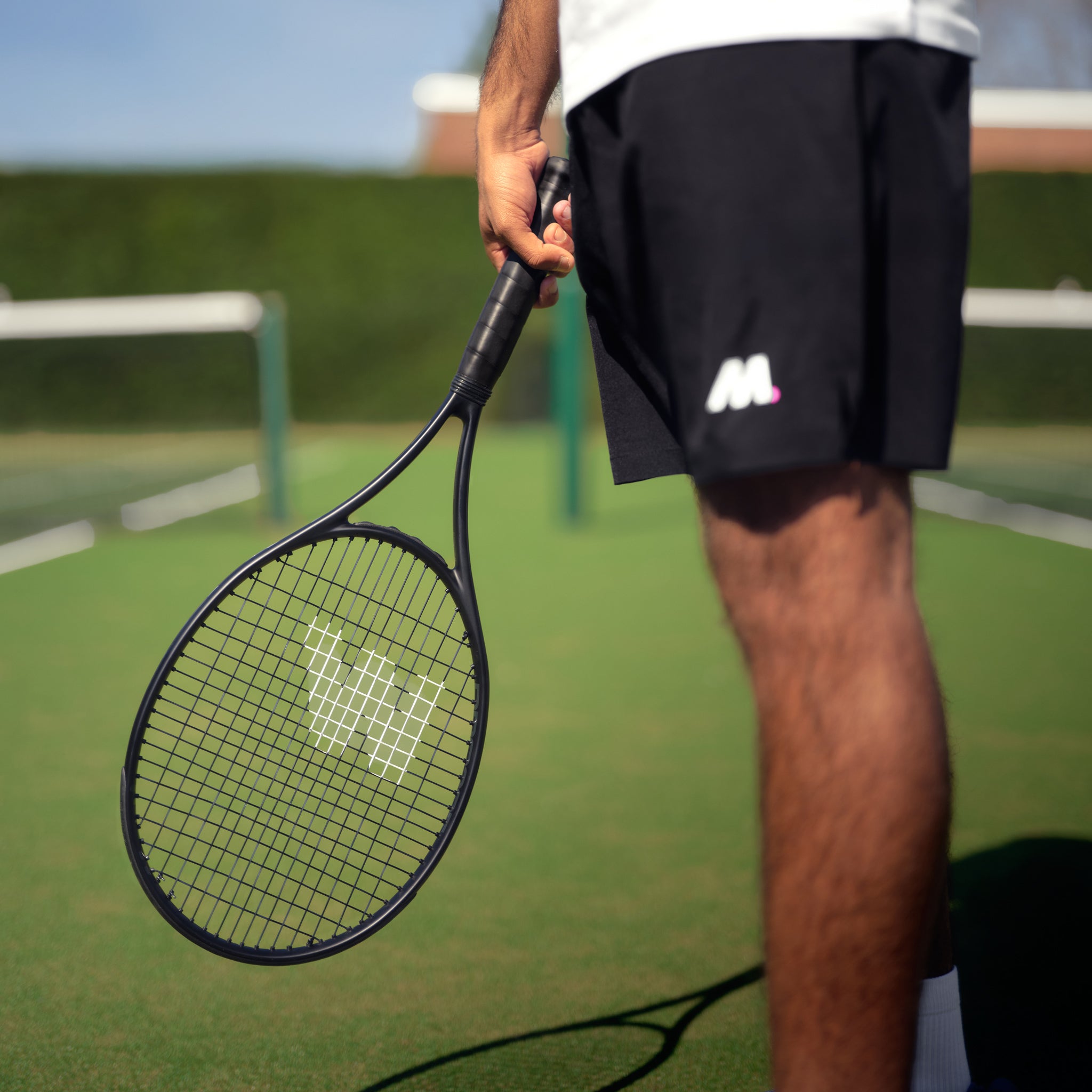
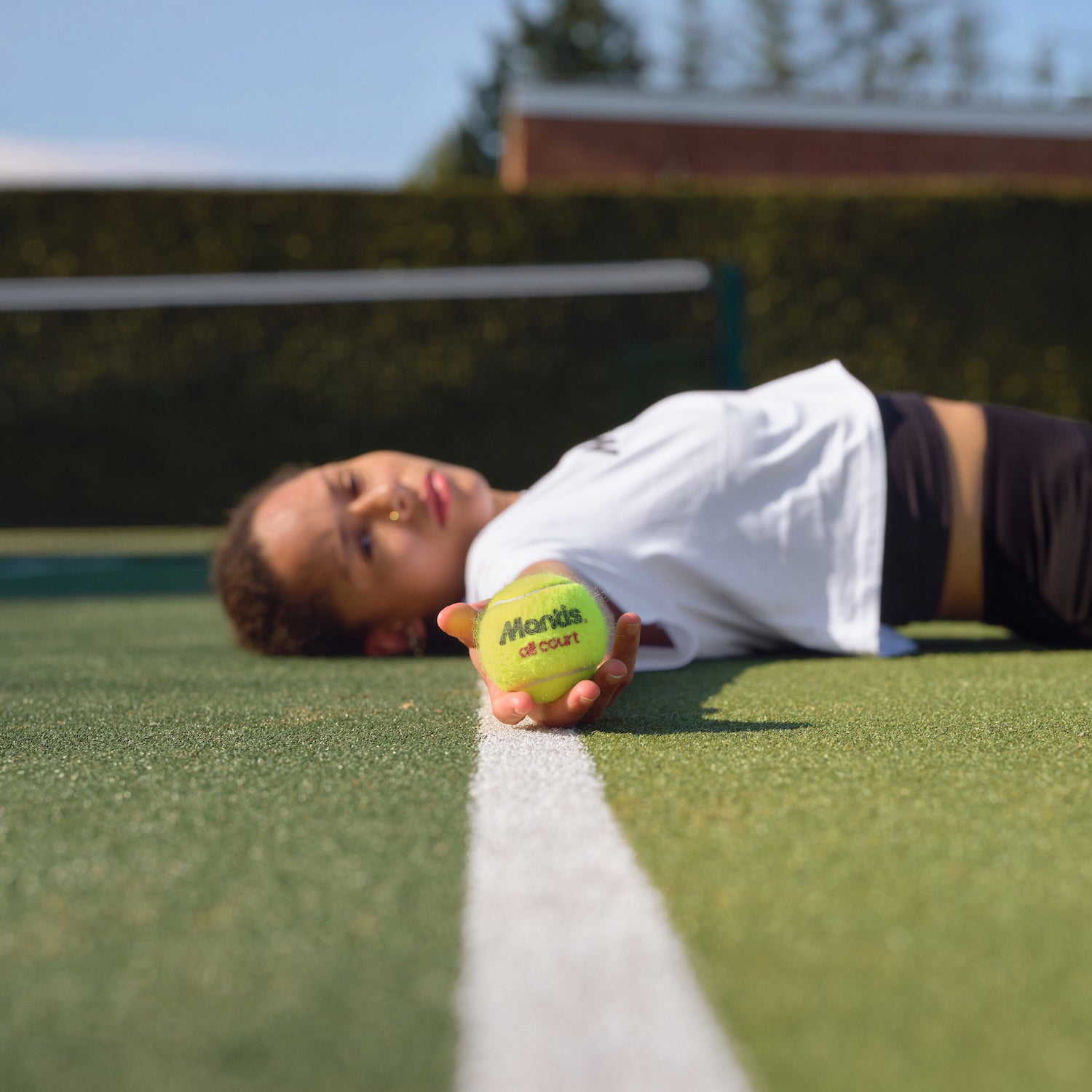






For those who show up early and stay late, training isn't about perfect conditions-it's about repetition, consistency, and improvement. Whether you're a coach running drills with young players or an amateur perfecting your groundstrokes against the wall, the equipment you choose matters. Pressureless tennis balls have become the go-to choice for dedicated practitioners who understand that progress is built one rally at a time. But what makes certain pressureless balls better than others, and how do you choose the right ones for your training needs?
Understanding Pressureless Ball Construction
Unlike their pressurised counterparts, the best pressureless balls rely on solid rubber cores rather than compressed air to maintain their bounce. This fundamental difference in construction affects their performance characteristics dramatically over time.
Traditional pressurised balls lose their bounce within weeks as air gradually escapes through the felt. Pressureless balls, however, maintain consistent performance for months or even years. The trade-off? They feel heavier initially and require an adjustment period for players accustomed to match-standard balls.
How They Perform on Court
The playing characteristics of pressureless balls differ noticeably from pressurised ones. They start firmer, with less initial bounce, but actually become livelier as the felt wears down and the rubber core softens slightly through repeated impacts.
This unique aging pattern makes them ideal for:
- High-volume ball machine training
- Coaching sessions with multiple students
- Solo practice against walls or backboards
- Club settings where balls see heavy rotation
- Budget-conscious players seeking long-term value
Why Serious Practitioners Choose Pressureless
Every coach knows the frustration of opening fresh cans only to have them go flat mid-session. Every dedicated amateur understands the expense of constantly replacing balls. This is where pressureless tennis balls excel.
Durability stands as the primary advantage. While pressurised balls might give you 3-5 hours of optimal play, quality pressureless balls deliver hundreds of hours before requiring replacement. For those perfecting their tennis serve technique through countless repetitions, this longevity proves invaluable.
Cost Analysis for Dedicated Players
| Ball Type | Lifespan | Sessions | Cost Per Session |
|---|---|---|---|
| Pressurised | 3-5 hours | 2-3 | £2.00-3.50 |
| Standard Pressureless | 200+ hours | 100+ | £0.05-0.15 |
| Premium Pressureless | 300+ hours | 150+ | £0.08-0.20 |
For coaches running daily sessions or amateurs training four times weekly, the economics become compelling quickly.
Selecting the Best Pressureless Balls for Your Needs
Not all pressureless balls perform equally. Manufacturing quality, felt durability, and core consistency separate excellent options from mediocre ones. When evaluating the best pressureless balls, consider these critical factors.
Felt quality determines how long balls maintain their appearance and aerodynamic properties. Premium felt resists pilling and stays attached to the core even after extensive use. Cheaper alternatives shed felt quickly, affecting spin and trajectory.
Core consistency ensures uniform bounce across all balls in a bucket. Inconsistent cores create frustrating variations that undermine technique development. Quality manufacturers maintain tight tolerances in their production processes.
Matching Balls to Training Intensity
Different practice scenarios demand different performance characteristics:
- Ball Machine Training: Choose harder-wearing options that withstand mechanical feeding systems
- Group Coaching: Prioritise visibility and consistent bounce for multiple skill levels
- Solo Practice: Focus on durability for wall work and repetitive drills
- Club Play: Balance performance with longevity for shared equipment
Understanding these distinctions helps you invest wisely rather than simply choosing the cheapest option available.
What Top Players Notice About Quality Pressureless Tennis Balls
The transition from pressurised to pressureless balls requires adjustment. Experienced players notice several key differences that affect their training approach.
The initial firmness means less compression on contact, changing the feel through the stringbed. Players developing touch and feel need awareness of this characteristic. However, this same firmness provides excellent feedback for stroke mechanics, making technical flaws more obvious.
Spin generation differs slightly due to the firmer surface. Topspin players find they need marginally faster racquet head speed to achieve similar rotation. This actually benefits training, as it encourages more aggressive swing patterns that translate well when switching back to match balls.
Adapting Your Training Methods
Smart practitioners adjust their expectations and methods when using pressureless balls. The balls won't feel identical to match conditions, but they excel at building muscle memory and reinforcing proper technique.
For beginners, pressureless balls offer consistent feedback without the expense of constant replacement. Those starting with tennis lessons for beginners benefit from equipment that encourages frequent practice without breaking the budget.
For experienced players, they provide reliable partners for drilling specific shots. Whether working on volleys, groundstrokes, or serves, the consistency across hundreds of repetitions proves invaluable.
Storage and Maintenance Essentials
Maximising the lifespan of even the best pressureless balls requires proper care. Unlike pressurised balls that lose bounce regardless of storage, pressureless balls maintain performance if treated correctly.
Keep them dry and away from extreme temperatures. Moisture degrades felt and can affect the rubber core over extended periods. Store in breathable containers rather than sealed bags to prevent moisture accumulation.
| Storage Method | Impact on Lifespan | Best For |
|---|---|---|
| Open bucket | Excellent ventilation | Daily use environments |
| Mesh bag | Good airflow | Transport and storage |
| Sealed container | Risk of moisture | Not recommended |
| Climate-controlled room | Optimal conditions | Long-term storage |
Regular rotation ensures even wear across your ball inventory. Coaches should mark balls by age or purchase date to track performance degradation systematically.
Recognising When to Replace
Even durable pressureless balls eventually reach end of life. Watch for these indicators:
- Significant felt loss exposing the rubber core
- Visible cracking or splitting in the rubber
- Noticeably reduced or inconsistent bounce
- Surface becoming slippery rather than grippy
Quality pressureless balls from reputable manufacturers telegraph these signs gradually, allowing planned replacement rather than sudden failure.
Integration with Ball Machines and Training Aids
Ball machines and pressureless balls form a natural partnership. The consistent size and weight work perfectly with mechanical feeding systems, whilst the durability withstands the repetitive impacts that quickly destroy pressurised balls.
Most modern ball machines calibrate specifically for pressureless balls. The slightly different trajectory and bounce actually help players develop adaptability-a crucial skill when facing varied conditions in actual matches.
For clubs and coaches, investing in quality pressureless balls paired with reliable training equipment creates sustainable practice programmes. The Mantis approach to equipment emphasises this long-term thinking over disposable solutions.
Choosing the best pressureless balls transforms your practice from an expensive necessity into a sustainable, productive journey of improvement. Quality matters, consistency delivers results, and the right equipment supports thousands of hours developing your game. At Mantis, we're built for players who understand this-those who see beyond the next match to the lifelong pursuit of progress through deliberate, obsessive practice.