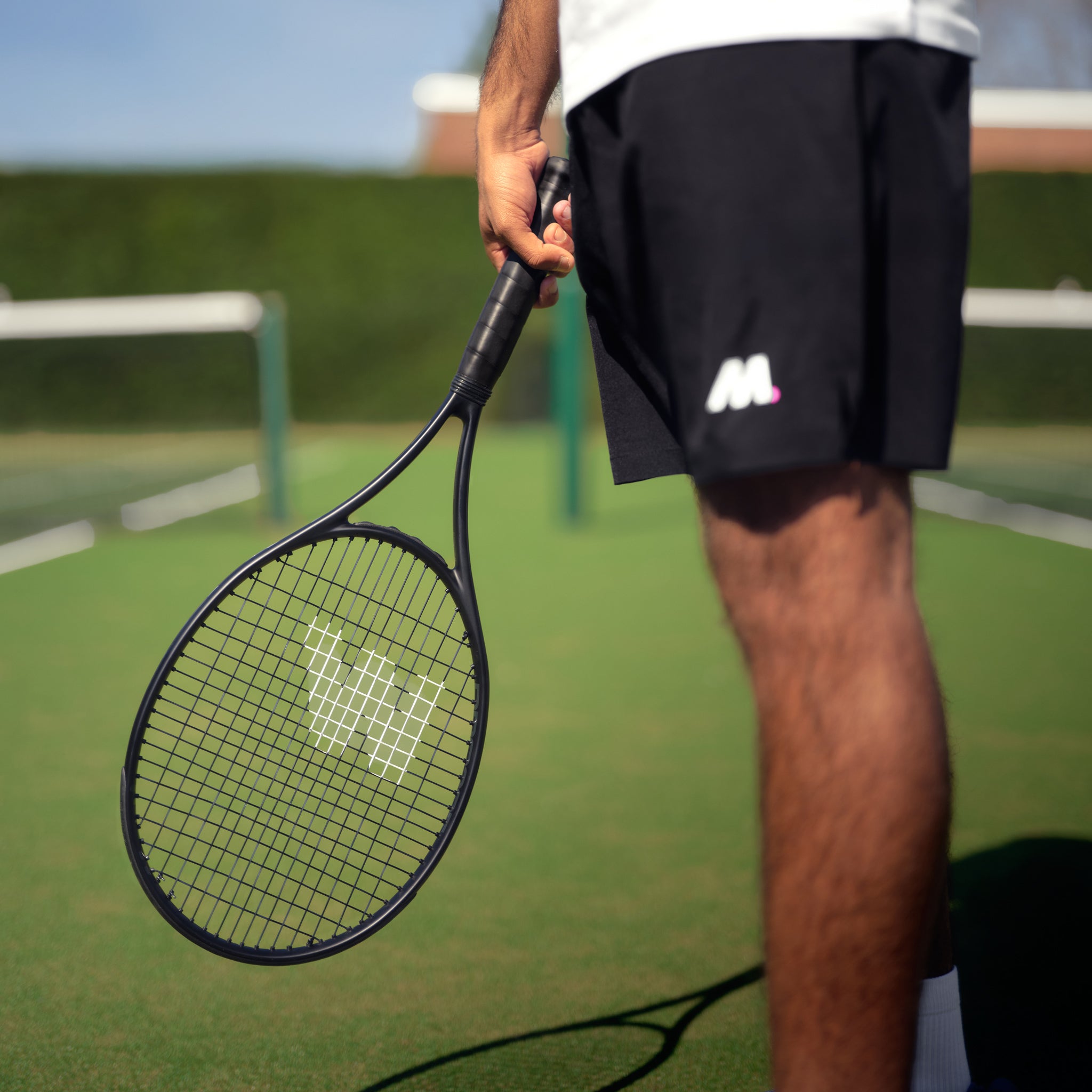
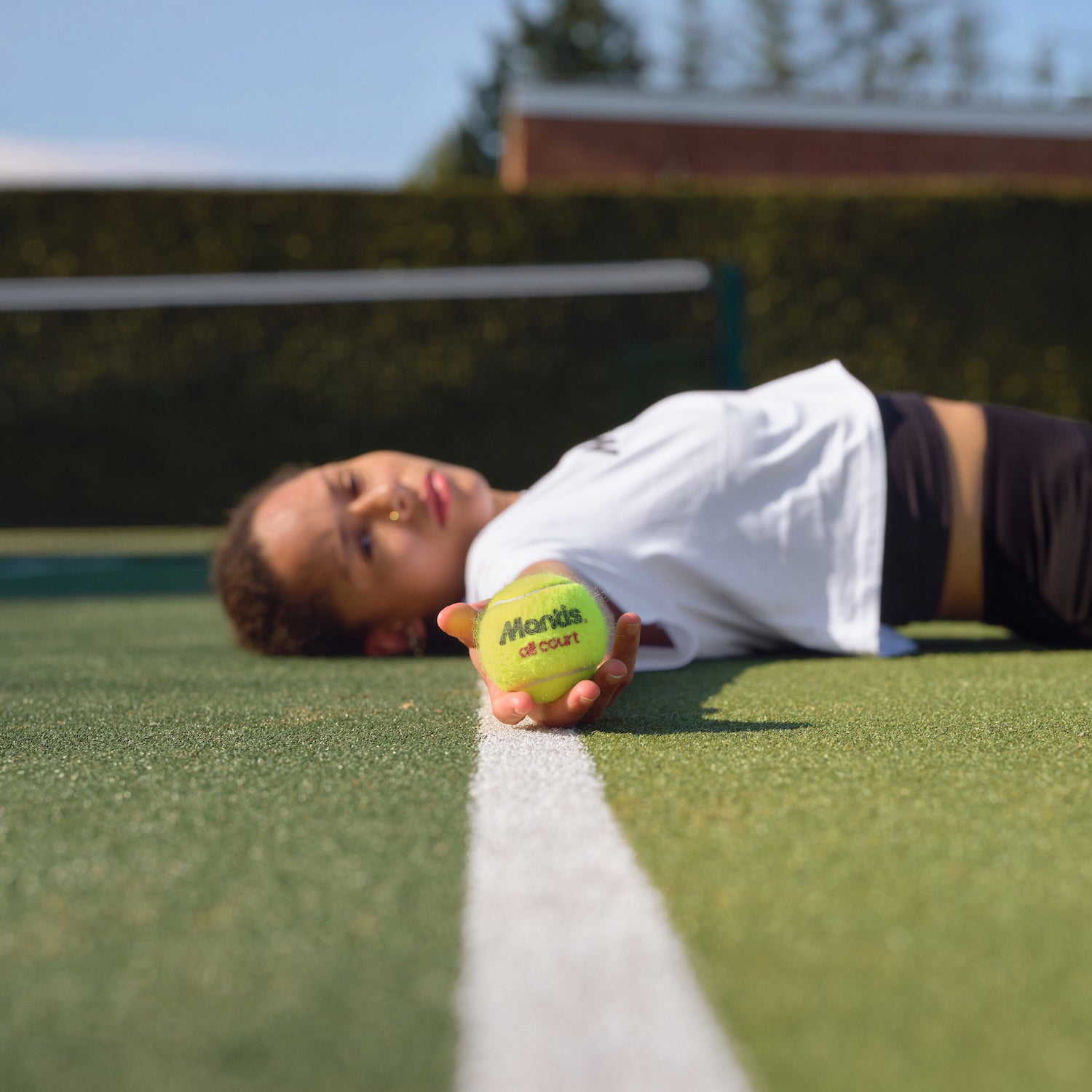






Finding the best price on tennis balls shouldn't mean compromising on performance. For the dedicated player, coach, or club manager, tennis balls represent a recurring investment that demands careful consideration. Whether you're running through dozens of balls weekly in coaching sessions or maintaining your own practice routine, understanding the market dynamics of tennis ball pricing can save you hundreds of pounds annually whilst ensuring your training never suffers from subpar equipment.
Understanding Tennis Ball Pricing Structures
Tennis ball prices fluctuate significantly based on several key factors. The most fundamental distinction lies between pressurised and pressureless balls, each serving different purposes and price points.
Pressurised balls deliver that authentic tournament feel but have a limited lifespan. Their internal pressure gradually dissipates over time.
Pressureless balls offer extended durability and maintain consistent bounce characteristics throughout their life, making them excellent for practice sessions.
| Ball Type | Average Price per Can | Lifespan | Best For |
|---|---|---|---|
| Pressurised | £3-£8 | 2-4 weeks | Match play, competitive practice |
| Pressureless | £8-£15 | 6-12 months | Training, ball machines, coaching |
| Practice/Coach | £2-£5 | Variable | High-volume drills, beginners |
According to detailed price guides for 2026, bulk purchasing represents the most significant opportunity to secure the best price on tennis balls. A case of 24 cans typically offers 20-30% savings compared to individual can purchases.
Seasonal Timing and Strategic Purchasing
Smart timing transforms your tennis ball budget. The calendar year follows predictable patterns that savvy buyers exploit.
Off-Season Opportunities
Late autumn and winter months (November through February) traditionally offer reduced pricing as demand drops. Retailers clear inventory before spring stock arrives, creating ideal conditions for bulk purchases.
Spring and early summer see price increases as participation peaks. Planning ahead and stocking up during quieter months ensures you're paying less when demand drives prices higher.
Subscription and Loyalty Programmes
Many brands now offer subscription services that deliver tennis balls at regular intervals with built-in discounts. These programmes typically provide:
- 10-15% recurring savings
- Free delivery on scheduled orders
- Flexibility to adjust frequency
- Priority access to new releases
For coaches managing multiple courts or players training regularly, these programmes guarantee the best price on tennis balls whilst eliminating the mental overhead of remembering to reorder.
Balancing Quality and Cost
Cheap balls aren't always economical. Understanding the relationship between price and performance prevents false economies that undermine your development.
Comprehensive buying guides emphasise matching ball type to your specific needs. A pressurised ball might seem expensive per can, but for match preparation and competitive play, the authentic bounce characteristics are irreplaceable.
Performance Metrics Worth Paying For
When evaluating value, consider these factors beyond initial price:
- ITF approval ensures consistent bounce and durability standards
- Felt quality directly impacts lifespan and playability
- Core construction determines how balls respond across different court surfaces
- Brand reputation for consistency batch-to-batch
The 2026 reviews from tennis experts highlight that durability often correlates with slightly higher upfront costs but superior long-term value.
Court Surface Considerations
Different court surfaces demand specific ball characteristics, influencing where you'll find the best price on tennis balls for your situation.
Hard courts accelerate ball wear. Investing in more durable options, even at higher initial prices, proves economical over time.
Clay courts are gentler on balls, allowing you to maximise the lifespan of mid-range options.
Grass courts require premium balls to maintain proper bounce on the unique surface.
Matching your purchase to your primary playing surface prevents overspending on unnecessary durability features or underinvesting in balls that won't withstand your court conditions. The Sports Ball Shop guide provides excellent detail on surface-specific requirements.
Bulk Buying Mathematics
Let's examine the numbers. A dedicated player using three balls per solo practice session, training four times weekly, consumes approximately 48 cans annually.
| Purchase Method | Price Per Can | Annual Cost | Savings |
|---|---|---|---|
| Single cans | £6.00 | £288 | Baseline |
| 6-can case | £5.10 | £245 | £43 |
| 12-can case | £4.70 | £226 | £62 |
| 24-can case | £4.20 | £202 | £86 |
For coaches running group sessions with 8-12 players, these savings multiply dramatically. A well-structured bulk purchasing strategy delivers the best price on tennis balls whilst ensuring consistent stock availability.
Alternative Ball Categories
Beyond standard match balls, alternative categories offer exceptional value for specific training applications.
Training balls sacrifice the pristine feel of premium options but provide 70-80% of the performance at 40-50% of the cost. They're ideal for:
- Groundstroke repetition drills
- Serving practice
- Ball machine use
- Junior development programmes
Transition balls (orange, green, red) for developing players offer different characteristics at varied price points. Don't assume children's balls should be cheaper; proper progression balls represent worthwhile investments in technical development.
Storage and Lifespan Extension
Maximising value extends beyond purchase price. Proper storage dramatically extends ball lifespan, improving your effective cost per hour of play.
Keep pressurised balls in their cans between sessions. The sealed environment maintains pressure longer than leaving balls exposed.
Store balls in temperature-stable environments. Extreme heat or cold accelerates pressure loss and felt degradation.
Rotate balls during practice. Using different balls for serves versus groundstrokes distributes wear evenly, extending the useful life of your entire collection.
Smart Shopping Strategies
Finding the best price on tennis balls requires systematic comparison and relationship building.
Develop relationships with local tennis retailers. Many offer trade discounts for coaches or bulk-buying clubs that aren't advertised publicly.
Compare online versus brick-and-mortar pricing including delivery costs. Sometimes the convenience of local purchase offsets minor price differences, particularly for last-minute needs.
Join tennis communities and forums where members share deals and bulk-buying opportunities. Collective purchasing power amplifies individual savings.
Consider versatile coaching equipment alongside balls to optimise your training investment. Quality gear working in harmony delivers superior development outcomes.
Quality Equipment for Dedicated Players
The pursuit of value doesn't mean settling for mediocrity. Equipment choices reflect your commitment to progress and improvement.
Understanding proper tennis racket specifications and serve technique helps contextualise why ball quality matters. Premium balls respond more predictably to spin and power, accelerating your technical development.
For players serious about their game, premium tennis balls represent an investment in consistent practice conditions that mirror competitive environments.
Securing the best price on tennis balls combines strategic timing, bulk purchasing, and quality assessment tailored to your specific needs. Whether you're a coach managing club inventory or an amateur dedicating yourself to improvement, smart buying decisions free resources for other aspects of your tennis journey. At Mantis, we understand that every detail matters to those committed to progress-from the balls you practice with to the racquets you wield. Explore how our British-engineered equipment serves players who value craftsmanship and performance at Mantis.