





Hard courts dominate the landscape of modern tennis, from local clubs to international championships. They're unforgiving surfaces that demand equipment built to withstand constant abrasion whilst maintaining consistent performance. Choosing the right ball isn't just about making your sessions more enjoyable-it's about maximising durability, ensuring predictable bounce, and ultimately improving your game through reliable practice conditions.
Understanding Hard Court Surface Demands
Hard courts create unique challenges for tennis balls that softer surfaces simply don't impose. The abrasive nature of these courts accelerates wear, flattening the felt covering and compromising bounce quality faster than grass or clay alternatives.
Why Surface Compatibility Matters
The relationship between ball construction and playing surface determines how long your equipment lasts and how it performs during critical rallies. Extra-duty felt isn't marketing jargon-it's a genuine engineering solution designed to withstand the harsh realities of hard court play. When you're searching for the best tennis balls for hard courts, this felt composition becomes your primary consideration.
Understanding material composition and wear rates helps explain why regular-duty balls deteriorate rapidly on abrasive surfaces. The tighter weave and enhanced durability of extra-duty options mean you'll replace them less frequently, saving money whilst maintaining consistency.
Key Features That Define Quality
What separates exceptional hard court balls from mediocre alternatives? Several critical factors determine performance and longevity.
Core Construction Elements:
- Pressurised vs pressureless design – affecting bounce consistency over time
- Rubber core quality – determining responsiveness and durability
- Felt thickness – protecting against surface abrasion
- Weave density – maintaining ball integrity through extended play
Performance Characteristics:
- Consistent bounce height across temperature variations
- Reliable spin response throughout the ball's lifespan
- Visibility in varying light conditions
- Minimal degradation across multiple sessions
The best tennis balls for hard courts balance these elements whilst remaining accessible for dedicated amateurs and club players who invest hundreds of hours annually on court.
Selecting Based on Player Level and Frequency
Your playing frequency and skill level dramatically influence which balls suit your needs. Just as understanding racket specifications helps optimise your equipment choices, knowing your usage patterns guides ball selection.
| Player Type | Weekly Sessions | Recommended Features | Replacement Frequency |
|---|---|---|---|
| Casual amateur | 1-2 | Standard extra-duty | Every 4-6 weeks |
| Dedicated club player | 3-5 | Premium extra-duty | Every 2-3 weeks |
| Intensive trainer | 6+ | Competition-grade | Weekly |
| Coach/Academy | Daily | Bulk pressureless | Monthly rotation |
Pressureless options from ranges like the Mantis Team series offer exceptional value for high-volume players. They maintain consistent performance without the pressure loss that affects traditional balls, making them ideal for training-focused sessions where consistency matters more than tournament-spec bounce.
Bulk Purchasing Considerations
For coaches, academies, and serious amateurs, buying in quantity delivers substantial savings. When exploring affordable tennis balls in bulk, prioritise suppliers offering consistent batch quality over lowest-price options that might vary between orders.
Environmental Impact and Sustainable Choices
The tennis industry faces growing scrutiny over equipment sustainability. Research shows nearly 330 million tennis balls end up in landfills annually, creating environmental challenges that thoughtful players increasingly consider.
Pressureless balls offer extended lifespan, reducing replacement frequency and environmental burden. While they feel slightly different from pressurised alternatives, many dedicated players find the performance trade-off acceptable given sustainability benefits.
Extending Ball Lifespan:
- Rotate between multiple sets to distribute wear
- Store in cool, dry conditions away from direct sunlight
- Use slightly degraded balls for warm-ups, saving fresher ones for match play
- Consider repurposing worn balls for drills focused on placement rather than power
Much like mastering strategic thinking in pursuits such as chess education, developing awareness around equipment usage patterns improves long-term outcomes both economically and environmentally.
Matching Balls to Training Focus
Different practice objectives benefit from specific ball characteristics. Power hitters developing groundstroke pace might prioritise responsive cores, whilst players refining touch and placement could select slightly heavier balls that reduce pace naturally.
Training Type Recommendations
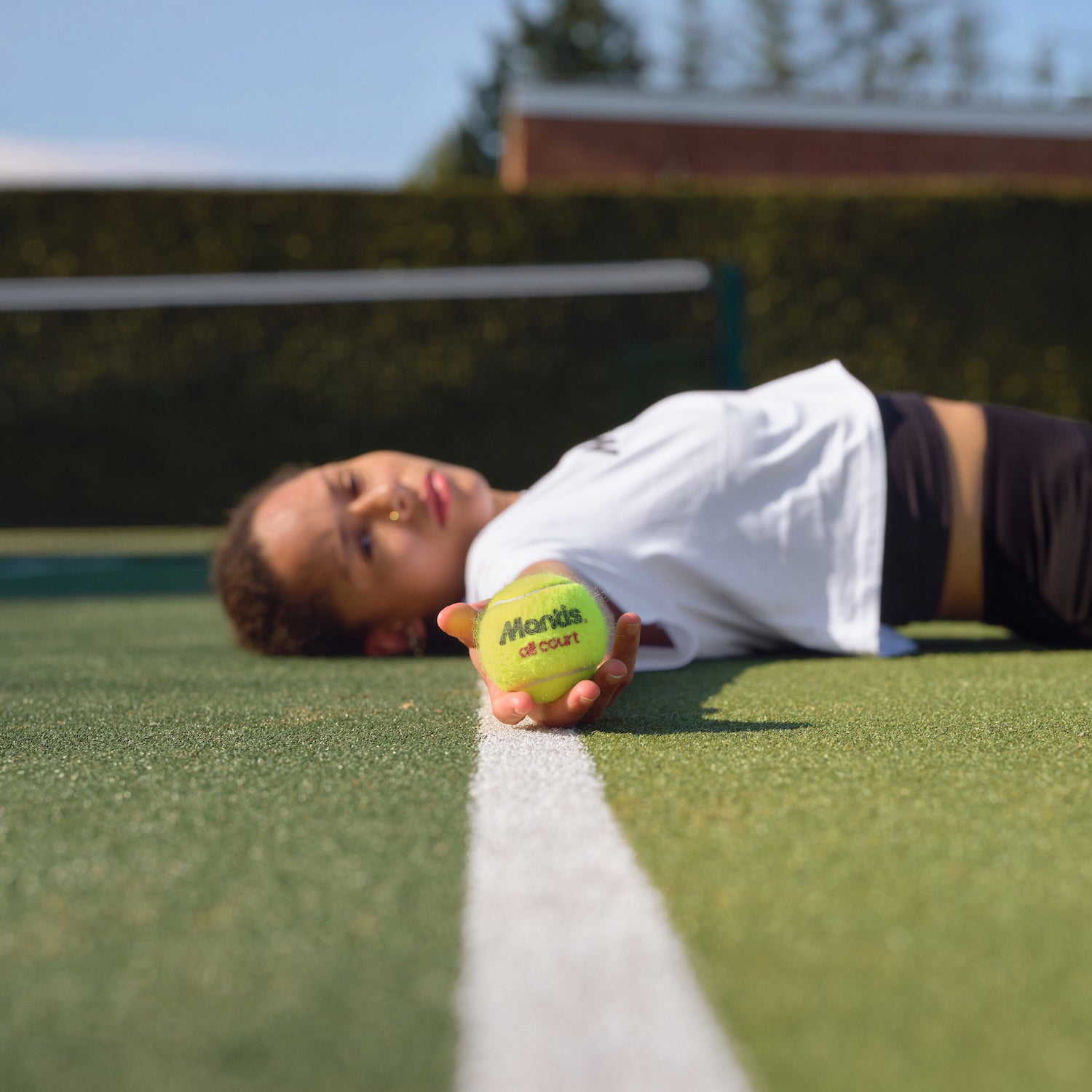
Baseline Power Development: Premium extra-duty balls with responsive cores maintain authentic match feel whilst withstanding repeated heavy strikes. The Mantis All Court series delivers this balance, supporting intensive baseline sessions.
Touch and Volleys: Slightly worn balls reduce bounce unpredictability, helping players develop softer hands and refined touch around the net.
Serve Practice: Fresh balls with intact felt provide authentic toss feel and flight characteristics crucial for serving mechanics.
Storage and Maintenance Strategies
Maximising ball lifespan begins the moment you open the canister. Proper storage significantly extends usable life, particularly for pressurised options.
Keep unused balls in sealed containers at stable temperatures. Extreme heat accelerates pressure loss, whilst cold conditions can temporarily affect bounce characteristics. If you're practising outdoors through British weather variations, bring balls to ambient temperature before play begins.
Recognising Replacement Timing
Even the best tennis balls for hard courts eventually degrade beyond acceptable performance. Visual inspection reveals obvious felt wear, but bounce testing provides more reliable assessment.
Drop balls from shoulder height onto your court surface. Fresh balls should bounce to approximately waist level. When bounce height decreases noticeably or becomes inconsistent between balls in your set, replacement time has arrived.
Competition vs Practice Specifications
Tournament play demands pristine ball condition, but practice sessions accommodate more flexibility. Understanding this distinction helps optimise your equipment budget.
Reserve fresh canisters for competitive matches and serious match-play practice. Use partially worn balls for drills, footwork training, and warm-ups where perfect bounce characteristics matter less than repetition volume.
Many dedicated players maintain three-tier rotation systems: fresh balls for matches, week-old balls for intensive practice, and degraded balls for warm-ups or ball machine work. This approach, detailed in guides covering how to select hard court tennis balls, maximises value whilst maintaining appropriate quality for each activity type.
Visual Performance Technology
Modern ball design increasingly emphasises visibility. High-contrast felt colours and enhanced dye saturation help players track ball flight, particularly crucial during fast-paced hard court rallies where split-second reactions determine outcomes.
Whilst traditional yellow remains standard, some manufacturers offer enhanced visibility options beneficial for players with visual limitations or those training in variable lighting conditions. The specifications of hard court tennis balls continue evolving as material science advances.
Court Speed and Ball Selection
Not all hard courts play identically. Surface texture, coating type, and maintenance schedules create speed variations affecting optimal ball choice. Faster courts benefit from balls offering enhanced control, whilst slower surfaces might accommodate slightly livelier options.
Experiment across several sessions before committing to bulk purchases. What performs brilliantly on your home club's courts might feel entirely different at tournament venues. This testing phase, though requiring initial investment, prevents costly mistakes and ensures you're training with equipment that genuinely supports your development goals.
Selecting optimal hard court balls transforms practice quality and equipment longevity. Understanding felt construction, core design, and your specific playing patterns ensures every session delivers maximum value whilst supporting your development journey. At Mantis, we craft precision equipment for players who find joy in the grind-from our competition-ready balls to racquets engineered for those who demand quality without compromise. Explore our range and discover gear built for the obsessed.