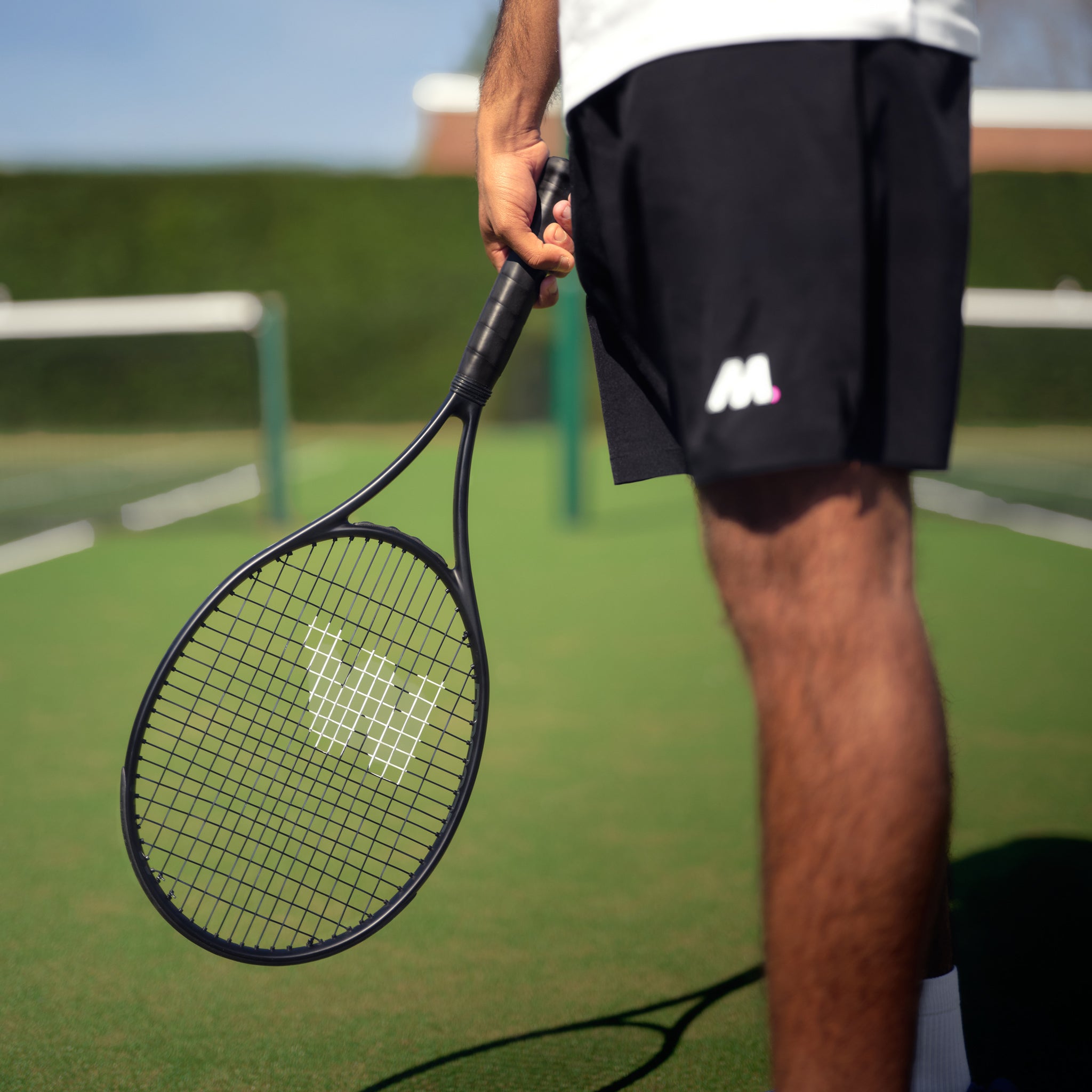
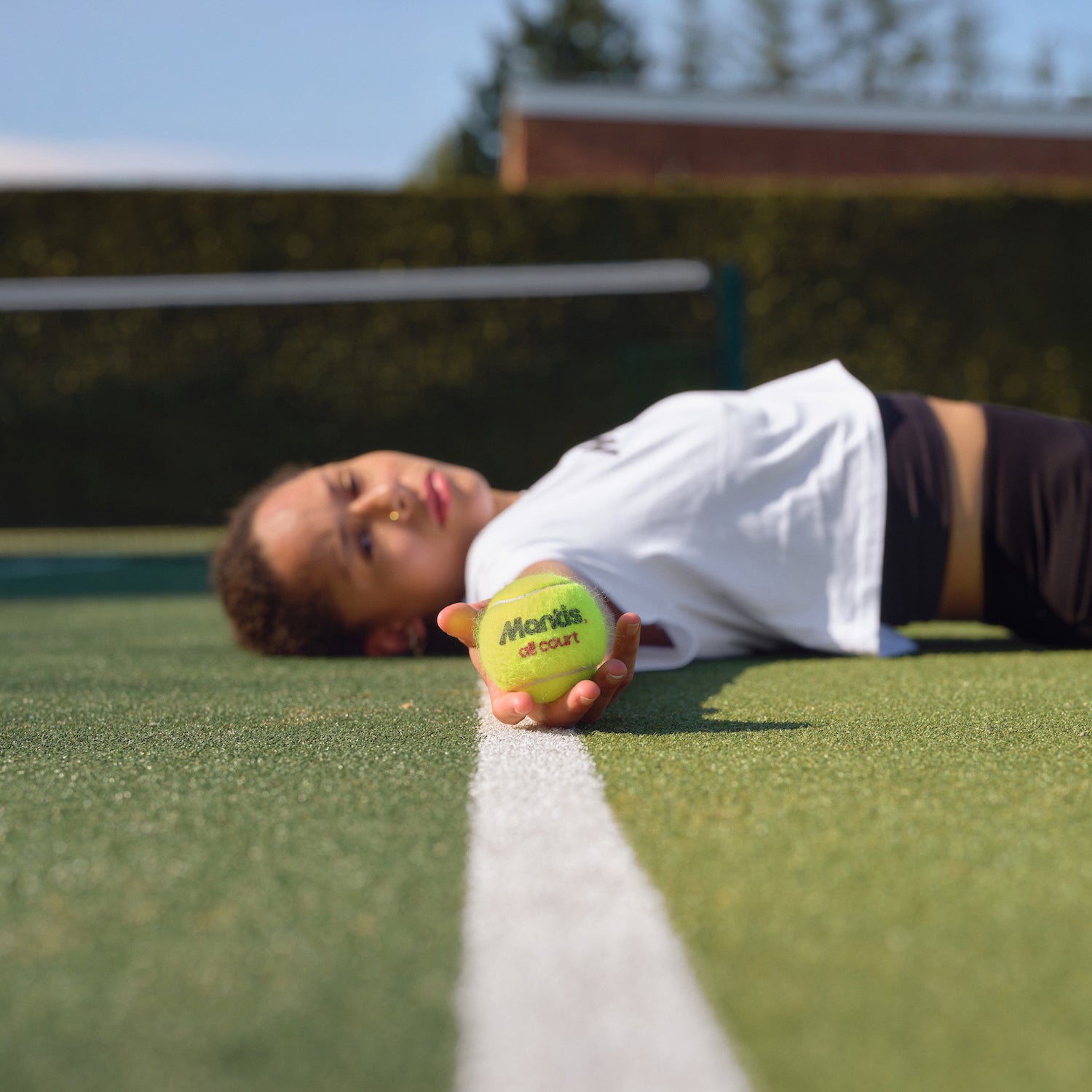






Every dedicated player knows the frustration: you're two games into a crucial set, the sun's beating down, and suddenly your racquet feels like it's trying to escape your palm. Sweaty hands aren't just uncomfortable-they're a genuine performance barrier that affects everyone from weekend warriors to club coaches drilling students through summer sessions. Finding the best tennis grip for sweaty hands isn't about expensive equipment upgrades; it's about understanding how friction, materials, and preparation work together to keep you in control when conditions turn challenging.
Understanding Why Sweaty Hands Affect Your Game
The science behind grip security is fascinating. Recent research on skin mechanics shows that even small changes in moisture dramatically alter the contact forces between your hand and the racquet handle. When your palms sweat, the moisture creates a slippery interface that reduces friction-your fingers can't generate the same grip-force adjustments they normally would.
Key factors that make sweaty hands problematic:
- Reduced friction coefficient between skin and grip surface
- Inconsistent contact pressure across your palm
- Compensatory over-gripping that causes tension and fatigue
- Loss of feel and touch on delicate shots
For those suffering from excessive sweating, known medically as palmar hyperhidrosis, the challenge is even greater. Dermatologist-approved self-care strategies can help manage the underlying condition, but on-court solutions remain vital for immediate performance.
Material Science: What Makes Grips Work in Humid Conditions
Not all grip materials respond equally to moisture. The best tennis grip for sweaty hands typically features specific characteristics that maintain performance when wet.
| Material Type | Moisture Absorption | Tackiness When Wet | Durability |
|---|---|---|---|
| Synthetic Polymer | Low | Medium-High | Excellent |
| Cotton-Based | High | Low-Medium | Poor |
| Perforated Synthetic | Medium | High | Good |
| Microfibre Blend | High | Medium | Medium |
Synthetic materials with perforations or textured surfaces generally outperform traditional cotton wraps. The perforations allow moisture to wick away from contact points whilst maintaining tactile feedback. Some players prefer highly absorbent materials that drink up sweat, whilst others favour tacky synthetics that grip even when damp.
Overgrip Selection Strategy
The smartest approach involves layering. Start with a quality base grip on your racquet, then experiment with overgrips designed for humid conditions. This system allows you to swap out the top layer frequently-crucial because even the best materials degrade with moisture exposure.
Competitive players use various cooling strategies in hot conditions, and grip management forms part of that broader approach to maintaining performance when temperatures soar.
Practical Solutions Beyond Equipment
Equipment alone won't solve sweaty-hand challenges. Smart preparation and on-court habits make the difference between frustration and flow.
Pre-match preparation checklist:
- Apply antiperspirant to palms 30 minutes before play
- Pack multiple fresh overgrips in your bag
- Bring a small towel specifically for hand-drying between points
- Consider moisture-wicking wristbands positioned strategically
- Keep a rosin bag or grip powder accessible
Many dedicated players discover that proper grip technique matters as much as materials. Coaches emphasise relaxed hand positions that don't require excessive pressure-when you over-grip to compensate for slippage, you create a vicious cycle of more tension, more sweat, and worse control.
On-Court Tactics That Actually Work
During play, developing rituals between points keeps your grip fresh. Professional players aren't just being superstitious when they meticulously wipe their hands-they're managing the friction interface that determines shot quality.
Between-point routine:
- Wipe playing hand on shorts or towel
- Briefly release grip pressure to allow air circulation
- Adjust overgrip if you feel any slippage developing
- Rotate racquet to expose different grip sections to air
The relationship between grip strength and tennis performance extends beyond raw power. When your hands are sweaty, maintaining optimal grip pressure becomes significantly harder, affecting everything from serve velocity to volley precision.
Mid-Match Overgrip Changes
Don't hesitate to change your overgrip mid-match if conditions are brutal. Elite players sometimes swap grips multiple times during a single session. Keep fresh wraps in your bag, and practise the change until you can complete it in under 90 seconds during a changeover.
For those training regularly or coaching multiple sessions daily, investing in a complete kit makes sense. Beyond finding the best tennis grip for sweaty hands, serious players need quality equipment that supports their commitment. The Mantis Pro 310 V4 combines precision engineering with practical design features that help maintain consistency across varying conditions.
Advanced Materials and Emerging Solutions
Innovation in grip technology continues. Recent developments include materials with dual-layer construction: an absorbent inner core that wicks moisture away combined with a tacky outer surface that maintains grip even when damp.
Emerging grip technologies to watch:
- Silicone-enhanced synthetic blends
- Antimicrobial treatments that reduce deterioration
- Variable-texture surfaces with different zones
- Quick-dry mesh constructions
- Nano-particle additives that enhance friction
Some manufacturers now produce grips specifically marketed for humid climates. Whilst marketing claims should always be verified through personal testing, the trend reflects genuine recognition that moisture management is crucial for player performance.
Building Your Personal System
Finding the best tennis grip for sweaty hands requires experimentation. Every player's hands sweat differently, respond to materials uniquely, and have distinct preferences for feel and feedback.
Start by testing three different overgrip types during practice sessions. Note how each performs at different stages of your training-some materials excel when fresh but degrade quickly, whilst others maintain consistency longer but offer less initial grip.
For comprehensive guidance on equipment choices and player development, Racket Business provides valuable resources for players and coaches committed to continuous improvement, covering everything from technical gear reviews to coaching methodologies that help you make informed decisions about your tennis journey.
| Testing Variable | What to Assess | How to Measure |
|---|---|---|
| Initial grip | First 15 minutes of play | Confidence level on serves |
| Durability | After 1 hour of play | Visible wear and feel changes |
| Moisture response | Peak sweat production | Slippage incidents counted |
| Recovery | After towel-wiping | Return to baseline grip |
Document your findings. Serious players treat equipment testing like any other aspect of training-with rigorous attention to detail and honest assessment of what actually works versus what you hope might work.
Seasonal Adjustments
Your grip needs change with the calendar. Summer sessions in humid conditions demand different solutions than crisp autumn mornings. Smart players maintain a rotation of grip options suited to various weather patterns.
Winter training often allows lighter, less absorbent materials since sweating is minimal. As temperatures climb, transition to heavier-duty moisture management systems. This seasonal approach prevents the common mistake of using winter-optimal grips during summer tournaments and wondering why performance suffers.
Integration With Overall Performance
Grip security connects to every aspect of your game. When you're confident your racquet won't slip, you can focus on shot selection, opponent positioning, and tactical execution rather than equipment concerns.
The psychological dimension matters too. Players who've solved their sweaty-hand challenges report feeling more composed during crucial points, knowing their equipment won't betray them at critical moments. This mental edge translates to better performance under pressure.
Whether you're coaching juniors through summer camps or grinding through your own competitive season, reliable equipment forms the foundation of consistent progress. The Mantis PS 300 V4 exemplifies the engineering approach that serious players demand-thoughtful design that supports performance rather than merely following marketing trends.
Finding the best tennis grip for sweaty hands combines smart material choices, disciplined preparation, and honest experimentation to discover what actually works for your individual needs. At Mantis, we understand that progress happens in the details-the small adjustments and thoughtful choices that separate frustrating sessions from breakthrough performances. Explore our range of precision-crafted equipment designed for players who demand quality without compromise at Mantis.