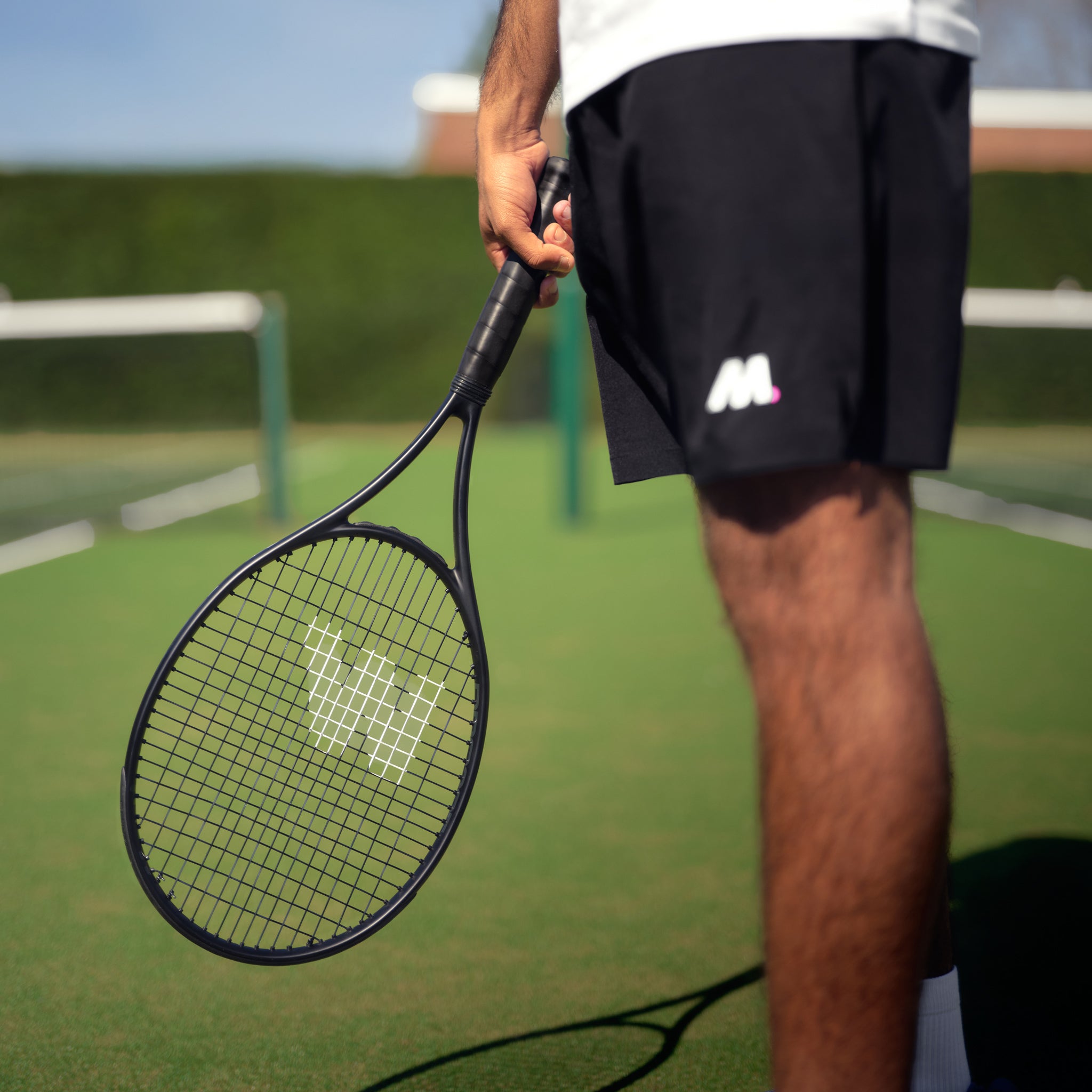






Finding the best tennis over grip isn't about following sponsorship deals or copying what you see on television. It's about understanding the subtle science of contact, moisture, and materials that separate mediocre rallies from breakthrough sessions. For those who arrive early at their local club and stay late perfecting their technique, grip choice matters more than most players realise. Whether you're coaching the next generation or grinding through another humid summer tournament, the right overgrip transforms your connection to the racquet-and ultimately, to the game itself.
Understanding What Makes an Overgrip Truly Effective
The best tennis over grip isn't determined by marketing budgets or professional endorsements.
It's about three core properties:
- Moisture management – how effectively it handles sweat during extended play
- Tactile feedback – the level of control you feel through your fingertips
- Durability under stress – how long it maintains performance before deterioration
Research shows that palmar sweating significantly alters grip force and skin friction, which explains why overgrips that excel in dry conditions often fail catastrophically during a five-set match in July. The biological mechanisms are fascinating: fingerprint ridges and skin physiology actively regulate grip security, meaning your body is constantly adjusting contact pressure based on moisture levels.
This isn't abstract theory. Every coach knows the student who arrives with a slipping racquet mid-lesson, frustration mounting with each mishit. That's not technique failure-it's equipment failure.
Material Science Behind Superior Grip
Modern overgrips employ polyurethane, elastomers, and tackified polymers to create surface textures that enhance friction. Historical patent literature on gripping materials reveals how manufacturers manipulate molecular structures to increase contact area without sacrificing comfort.
But here's the crucial distinction: tacky grips excel in dry conditions, whilst absorbent grips perform better with moisture. You cannot optimise for both simultaneously.
| Grip Type | Best Conditions | Typical Lifespan | Ideal Player |
|---|---|---|---|
| Tacky polyurethane | Cool, dry courts | 2-3 weeks | Indoor players, precise shot-makers |
| Absorbent microfibre | Hot, humid sessions | 1-2 weeks | Heavy sweaters, outdoor grinders |
| Hybrid composite | Variable conditions | 2-4 weeks | All-court versatility seekers |
How Playing Conditions Should Dictate Your Choice
Recent experimental work demonstrates that moisture changes fingertip contact area and friction in ways that surprise even experienced players. Your overgrip selection must account for British weather patterns, indoor versus outdoor play, and your individual physiology.
For those training through winter months on cold indoor courts, a thin, tacky overgrip provides maximum feel without bulk. Come summer tournament season, that same grip becomes treacherous.
Consider these practical scenarios:
- Early morning coaching sessions (cool, low humidity) – prioritise tactile precision
- Afternoon club matches (variable temperature) – balance absorbency with control
- Evening league play under lights (cooler again) – return to thinner, tackier options
The Tennis.com guidance on handling hot and humid conditions aligns with what we've observed across thousands of hours on park courts: players who rotate overgrips seasonally outperform those using the same grip year-round.
For those seeking comprehensive racquet sports resources beyond equipment, Racket Business offers valuable insights into the broader industry, coaching methodologies, and business perspectives that serious players and coaches will find genuinely useful.
Thickness, Texture, and the Touch You Need
The best tennis over grip for you depends on hand size, preference, and playing style.
Thinner overgrips (0.4-0.6mm) preserve your racquet's original grip size whilst adding a fresh surface. Thicker options (0.7-1.0mm) increase handle circumference, which can benefit players with larger hands or those seeking additional cushioning.
Texture variations include:
- Smooth tacky surfaces for consistent, predictable feel
- Perforated patterns for enhanced moisture wicking
- Ribbed designs for tactile landmarks during grip changes
What matters most? Consistency. Your overgrip should feel identical from first serve to final point, match after match. When you're coaching a student through a technical adjustment, the last variable you want is inconsistent grip feedback confusing their proprioception.
Installation Technique That Extends Performance
Even the best tennis over grip fails when poorly installed.
Proper application requires:
- Clean the existing base grip thoroughly, removing oils and debris
- Start at the base of the handle, overlapping by approximately 3mm per wrap
- Maintain consistent tension throughout-too loose creates bunching, too tight tears material
- Finish at the top with adhesive tape positioned neatly
Many players overlook tension consistency, resulting in uneven thickness that subtly alters their grip position during play. For those working with adult tennis rackets featuring precision-engineered handles, installation quality directly impacts the craftsmanship advantage.
Maintenance Habits That Maximise Value
Overgrips are consumables, but their lifespan varies dramatically based on care.
After each session, wipe down your grip with a clean, dry cloth. This removes surface sweat and oils before they penetrate the material. Between matches, store your racquet in a climate-controlled environment-extreme heat accelerates polymer degradation whilst cold can stiffen adhesive layers.
Replace your overgrip when you notice:
- Loss of tackiness or absorbency
- Visible smoothing of texture patterns
- Persistent odour despite cleaning
- Edge lifting or material separation
For club coaches managing coaching equipment across multiple sessions daily, keeping spare overgrips accessible prevents the awkward mid-lesson racquet failures that disrupt rhythm and focus.
Matching Grip Choice to Your Equipment Investment
When you've invested in pro series rackets built with British engineering precision, your overgrip selection deserves equal consideration.
The analytical breakdown from detailed overgrip testing and specifications reveals measurable differences in tackiness, absorbency, and cushioning that directly correlate with player satisfaction. These aren't marginal gains-they're fundamental to connection quality.
Consider this: you wouldn't pair premium strings with a damaged racquet frame. Similarly, pairing an inferior overgrip with a precision-crafted racquet undermines the entire system. Quality compounds throughout your equipment chain.
For serious players exploring tennis balls and complete gear setups, remember that grip represents the single physical contact point between you and your equipment. It deserves attention proportional to its importance.
Regulatory Considerations for Competitive Play
Tournament players must ensure their grip modifications comply with official standards. The ITF rules on equipment and handle modifications specify permissible materials and application methods, preventing performance-enhancing modifications that create unfair advantages.
Standard overgrips universally comply, but excessive layering or unconventional materials may attract scrutiny. For those competing beyond club level, maintaining equipment within regulation preserves eligibility whilst demonstrating respect for the sport's structure.
Selecting the best tennis over grip requires understanding your physiology, playing conditions, and equipment investment as interconnected variables rather than isolated choices. The dedicated player recognises that marginal improvements in contact quality compound across thousands of shots, sessions, and seasons. At Mantis, we exist for those who find beauty in these details-the ones who show up early, stay late, and understand that progress lives in the fundamentals, including the simple act of maintaining proper grip on your racquet.