





Starting your tennis journey shouldn't mean navigating a maze of marketing jargon and professional specifications. The best women's tennis racquet for beginners is one that builds confidence, forgives mistakes, and grows with your developing technique. Yet walk into any sports shop and you'll face walls of options, each promising miracles. This guide cuts through the noise, focusing on what actually matters when you're just beginning to fall in love with the sport.
Understanding What Makes a Racquet Beginner-Friendly
Not all racquets are created equal, and what works for a seasoned club player will likely frustrate someone picking up a racquet for the first time.
Power generation sits at the heart of beginner racquet design. When you're learning, your swing speed is naturally slower and your technique still developing. The best women's tennis racquet for beginners compensates for this by featuring:
- Larger head sizes (typically 100-110 square inches)
- Lightweight frames (250-280 grams unstrung)
- Head-heavy balance points
- Flexible frames that absorb shock
The Science Behind Beginner Specifications
Research shows that racket properties directly influence both performance and injury risk, making the right choice crucial for long-term enjoyment. A racquet that's too heavy or stiff can lead to arm fatigue and potential injury, whilst one that's too light might feel unstable.
| Specification | Beginner Range | Why It Matters |
|---|---|---|
| Head Size | 100-110 sq in | Larger sweet spot forgives off-centre hits |
| Weight | 250-280g | Easier to manoeuvre, less strain |
| Balance | Head-Heavy | Generates power with slower swings |
| Stiffness | 60-65 RA | Comfortable, reduces vibration |
The sweet spot-that magical area where the ball feels perfect-expands significantly with head size. For beginners still mastering timing and positioning, this forgiveness proves invaluable.
Key Features to Prioritise
When searching for the best women's tennis racquet for beginners, certain features deserve your attention more than others.
Head size matters immensely. Think of it as your margin for error. A 105-square-inch head offers roughly 30% more hitting area than the 95-square-inch frames used by professionals. That difference translates to confidence on court.
Grip size often gets overlooked, yet it's fundamental to comfort and control. Women typically suit grip sizes 2 (4 1/4 inches) to 3 (4 3/8 inches). Too small and you'll grip too tightly, causing fatigue. Too large and you'll lack control.
Weight Distribution and Balance
A head-heavy racquet places more mass towards the top, creating momentum that helps generate pace even with compact swings. This proves particularly beneficial for tennis lessons for beginners where technique is still forming.
Frame flexibility absorbs shock and reduces the harsh vibrations that can lead to tennis elbow. Stiffer frames return more energy to the ball but demand proper technique to avoid injury.
For those interested in understanding more about racket specifications and how they affect your game, Racket Business offers detailed technical resources and industry insights that can help you make informed equipment decisions throughout your tennis journey.
Making Your Selection: Practical Considerations
The market presents countless options, but narrowing your search becomes easier when you focus on proven beginner-friendly characteristics.
Testing Before Committing
Many clubs and coaches offer demo programmes. Spending 30 minutes on court with a racquet reveals far more than any specification sheet. Pay attention to:
- Comfort: Does your arm feel strained after rallying?
- Control: Can you direct the ball where you intend?
- Confidence: Does the racquet inspire trust in your shots?
- Manoeuvrability: Can you react quickly to balls hit at different angles?
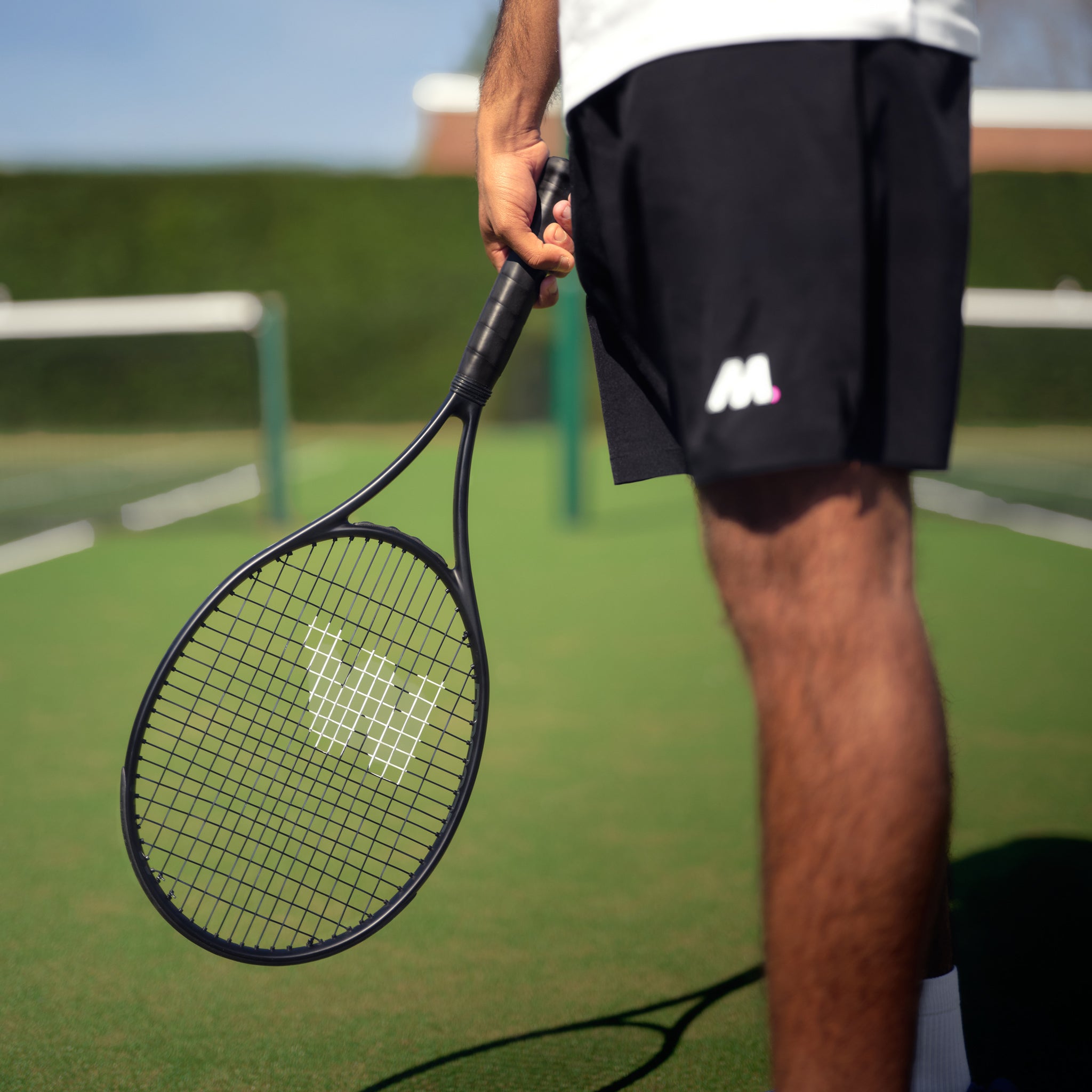
The Mantis CS 275 Challenge exemplifies thoughtful beginner design. At 275 grams with a 100-square-inch head, it balances power generation with comfortable handling. The extended length (27.5 inches) provides additional reach without sacrificing control.
String Considerations for New Players
Your racquet choice represents only half the equation. String selection dramatically affects how the best women's tennis racquet for beginners actually performs.
Beginners benefit from:
- Synthetic gut strings for durability and comfort
- Lower tensions (50-55 pounds) for increased power
- Thicker gauges (15L or 16) for longevity
String tension influences both power and control. Lower tensions create a trampoline effect, launching the ball with less effort-perfect when you're developing swing mechanics.
The Mantis Approach to Beginner Equipment
Mantis designs racquets with the journey in mind, not just the destination.
Where mainstream brands chase professional endorsements, Mantis focuses on the club player grinding through weekly lessons, the amateur finding joy in incremental improvement. This philosophy shapes every design decision.
Beyond the Racquet: Building Your Kit
Once you've selected the best women's tennis racquet for beginners, complement it with appropriate accessories.
Dampeners reduce string vibration and protect your arm. Tennis racket dampeners prove especially valuable for beginners still developing proper technique and muscle memory.
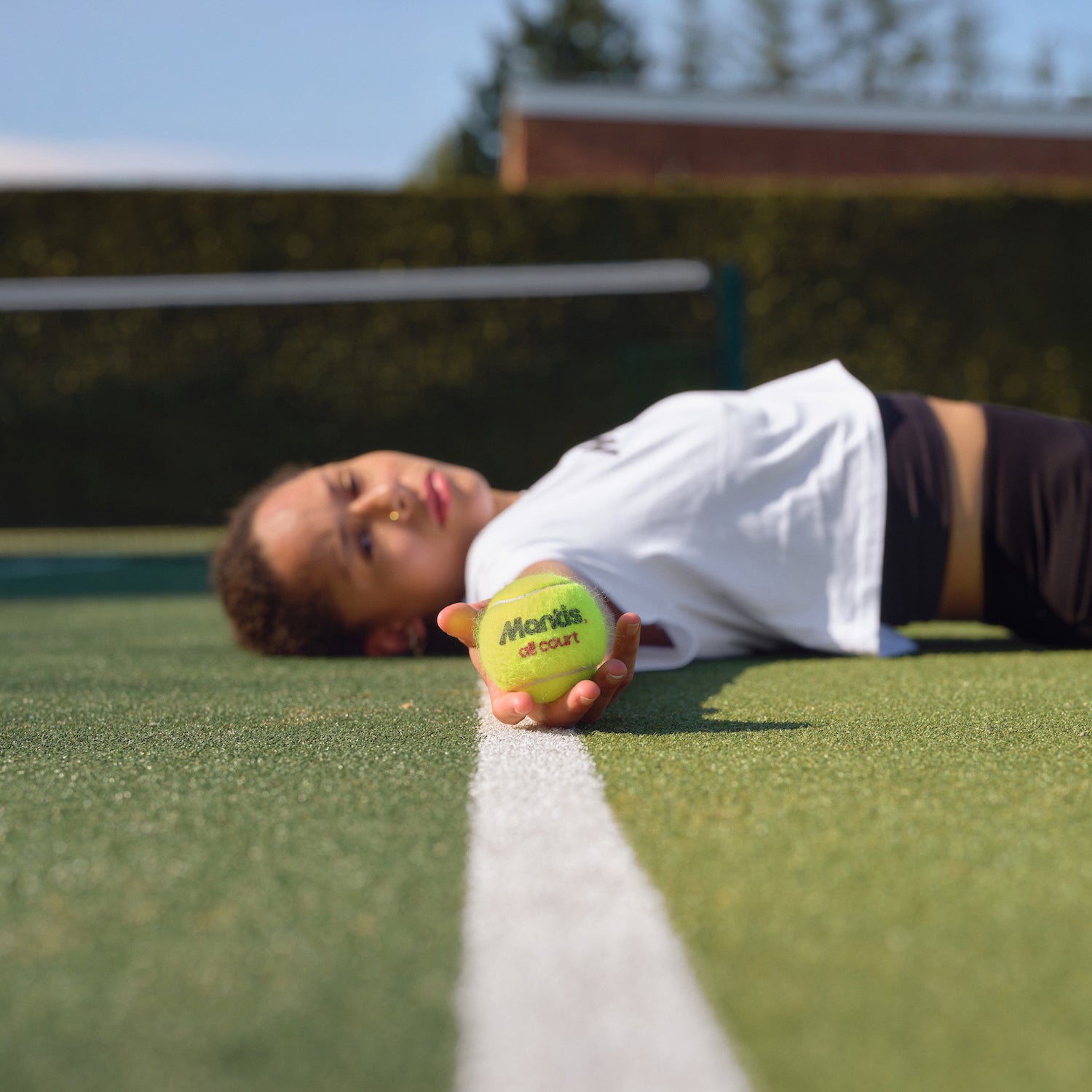
Quality balls matter more than most realise. Pressureless tennis balls maintain consistent bounce and last longer-ideal for practice sessions where you're grooving strokes rather than competing.
Investment Perspective
Quality beginner racquets range from £40 to £120. This might seem substantial, but consider the value proposition:
| Price Range | What You Get | Best For |
|---|---|---|
| £40-£60 | Basic construction, good forgiveness | Casual players, uncertain commitment |
| £60-£90 | Better materials, improved feel | Regular club players, lesson takers |
| £90-£120 | Premium beginner specs, durability | Serious improvers, frequent play |
A well-chosen racquet lasts several years if you're playing recreationally. That £80 investment breaks down to mere pounds per session-far less than you'll spend on court fees and lessons.
Common Mistakes to Avoid
Enthusiasm can lead new players astray. Watch for these pitfalls:
Buying based on aesthetics alone. That stunning racquet might look amazing, but if it's designed for advanced players, it'll hinder your progress.
Choosing too heavy. Thinking a heavier racquet will improve your power is tempting, but it actually reduces swing speed and increases injury risk for beginners.
Ignoring grip size. An incorrect grip affects every stroke you make. Take time to find your proper size.
The CS 275 series demonstrates how beginner-friendly specifications need not compromise on quality. Mantis engineers these racquets for comfort and performance, understanding that today's beginner becomes tomorrow's passionate club player.
Choosing the best women's tennis racquet for beginners sets the foundation for years of enjoyment on court. Prioritise forgiveness, comfort, and power generation over professional specifications. At Mantis, we craft equipment for those who see tennis as a lifelong pursuit, not just a weekend hobby. Built for the dedicated, engineered for progress-because every journey begins with the right first step.