
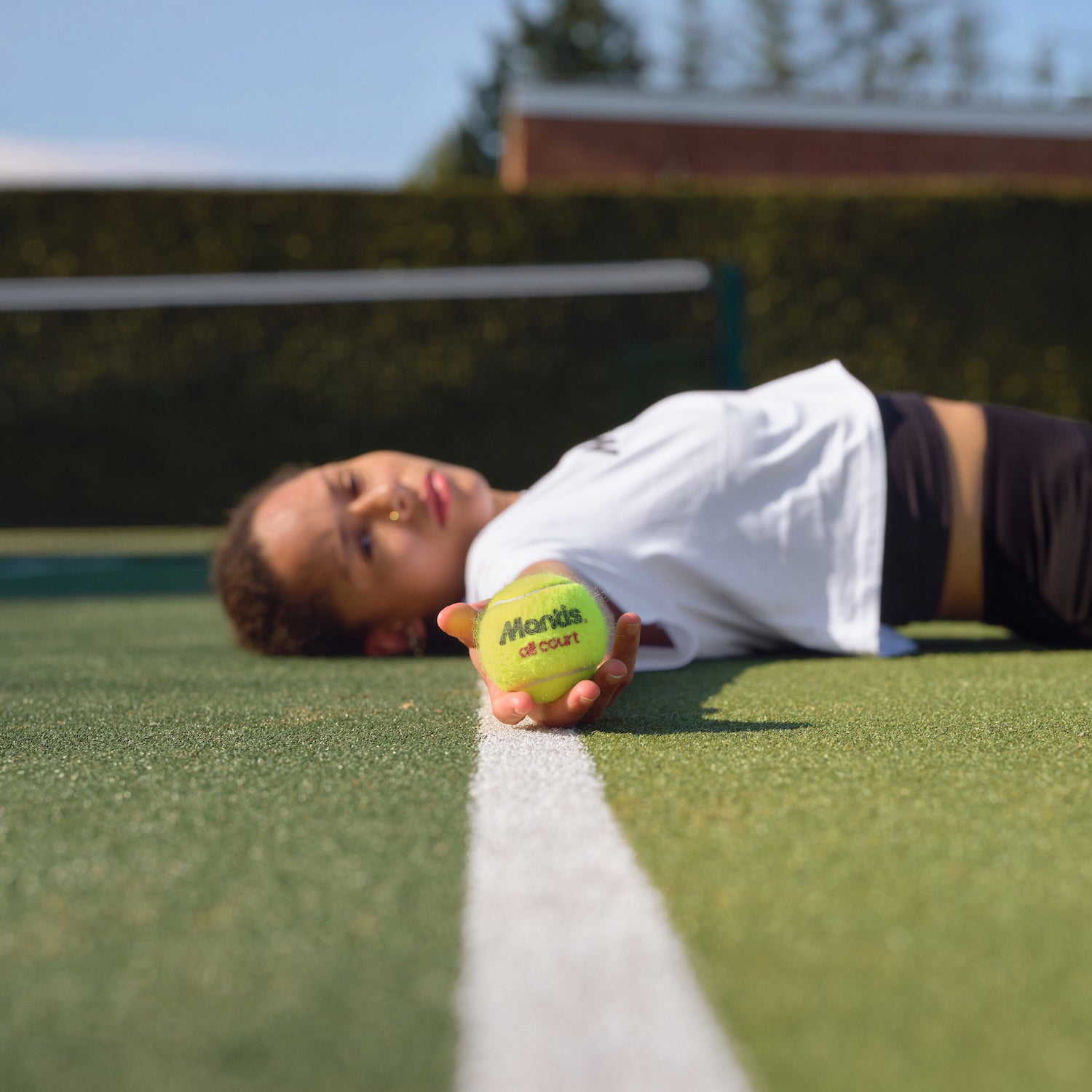






The court is where tennis battles are won, but the gym is where champions are built. For dedicated players who arrive early and stay late, the relationship between strength training and court performance has never been clearer. Lifting weights for tennis isn't about becoming a bodybuilder-it's about developing the explosive power, injury resilience, and physical endurance that separates good players from exceptional ones. Whether you're a club coach developing young talent or an amateur grinding through another season, understanding how to integrate resistance training into your routine can fundamentally change your approach to the sport.
Why Strength Training Matters for Court Athletes
Tennis demands a unique combination of explosive movements, sustained endurance, and rapid directional changes. Every serve, every sprint to the net, every defensive slide requires muscular power that extends far beyond cardiovascular fitness alone.
Modern players face longer rallies and more physically demanding matches than previous generations. The game has evolved, and so must training methods. Strength training for tennis players addresses these demands directly by building the muscular foundation necessary for peak performance.
The Physical Demands You're Actually Training For
Consider what happens during a typical three-set match:
- 300-500 explosive movements including serves, groundstrokes, and volleys
- Rapid acceleration and deceleration on every point
- Rotational power generating racquet head speed
- Stabilisation demands protecting joints during lateral movements
| Movement Type | Primary Muscles | Tennis Application |
|---|---|---|
| Serves | Shoulders, core, legs | Power generation |
| Groundstrokes | Rotational core, glutes | Stroke consistency |
| Split steps | Quadriceps, calves | Court coverage |
| Recovery shots | Full body coordination | Defensive capability |
The athletes who understand these demands and train accordingly gain a competitive edge that shows in every rally.
Building Your Foundation with Compound Movements
Lifting weights for tennis begins with mastering fundamental movement patterns that translate directly to court performance. Compound exercises recruit multiple muscle groups simultaneously, mirroring the integrated nature of tennis strokes.
Squats develop the leg drive crucial for explosive serves and rapid court coverage. The quadriceps, hamstrings, and glutes work together to generate the upward force that begins every powerful stroke. When paired with quality racquets designed for precision, this lower-body power transforms into devastating groundstrokes.
Deadlifts strengthen the posterior chain-the interconnected muscles running from your heels to your neck. This often-neglected area provides the stability needed for sustained rallies and prevents the lower back injuries that plague many club players.
Bench press variations and overhead pressing movements build the shoulder strength necessary for consistent serving. However, tennis players benefit most from unilateral work-training one side at a time.
The Unilateral Training Advantage
Tennis is fundamentally asymmetrical. Your dominant side handles the racquet whilst your non-dominant side provides balance and positioning. Unilateral training approaches address this reality by developing strength independently on each side.
Single-arm dumbbell presses, single-leg squats, and offset carries create functional strength that directly improves court movement. They also help identify and correct strength imbalances before they lead to injury.
Rotational Power: The Secret Weapon
Ask any coach what separates club players from advanced competitors, and rotational power consistently tops the list. The ability to generate force through trunk rotation determines racquet head speed, which in turn determines shot power and placement.
Medicine ball throws, cable woodchops, and Russian twists develop this explosive rotational capacity. The key is training the movement pattern, not just the muscles.
Three essential rotational exercises:
- Medicine ball slam rotations – Develop explosive power through the entire kinetic chain
- Pallof press variations – Build anti-rotational strength that stabilises your core during strokes
- Cable rotation exercises – Train the specific movement patterns used in groundstrokes
These movements transform the abstract concept of "core strength" into tangible court performance. Players notice the difference within weeks-more pace on serves, deeper groundstrokes, and better control during defensive scrambles.
Programming Strength Work Around Court Time
The challenge for dedicated amateurs isn't knowing what exercises to perform-it's integrating lifting weights for tennis into an already packed training schedule. Most players train on court 3-5 times weekly, leaving limited windows for gym work.
A practical approach involves 2-3 strength sessions per week, scheduled strategically around court time:
| Day | Focus | Example Session |
|---|---|---|
| Monday | Lower body power | Squats, lunges, calf raises |
| Wednesday | Upper body + core | Bench press, rows, rotational work |
| Friday | Full body maintenance | Moderate intensity compound movements |
Sessions need not exceed 45-60 minutes. Quality matters more than duration. The players who see results are those who maintain consistency over months, not those who burn out after intensive six-week programmes.
For younger players developing their game, age-appropriate strength training focuses on movement quality and bodyweight mastery before progressing to loaded exercises. Coaches working with juniors should prioritise technical competency and gradual progression.
Injury Prevention Through Strategic Loading
Beyond performance enhancement, lifting weights for tennis provides crucial injury prevention benefits. Tennis players commonly develop overuse injuries in the shoulder, elbow, and knee-areas where strategic strength work offers significant protective effects.
Rotator cuff strengthening through external rotation exercises and face pulls prevents the shoulder impingement that ends many players' seasons. These small muscle groups stabilise the shoulder joint during the violent deceleration that follows every serve.
Knee stability work including single-leg balance exercises and controlled eccentric movements protects against the chronic pain many players accept as inevitable. Strong, balanced musculature around the knee joint distributes forces more evenly during the constant starting and stopping that defines tennis movement.
The irony is that players often neglect strength training until injury forces them into rehabilitation. Those who train preventatively-before pain appears-extend their playing careers by years, if not decades.
Tracking Progress and Adapting Your Approach
How do you know if your strength programme is working? Court performance provides some feedback, but objective metrics offer clearer insights.
Track these key indicators:
- Serve velocity measured with radar equipment
- Vertical jump height indicating explosive leg power
- Medicine ball throw distance showing rotational power development
- Training loads documenting progressive overload
Progressive overload-the gradual increase of training stress-drives adaptation. This might mean adding weight, increasing repetitions, or reducing rest periods between sets. Comprehensive tennis strength programmes typically implement periodised progressions that align with competitive seasons.
During tournament-heavy periods, reduce training volume whilst maintaining intensity. During off-season blocks, increase both volume and variety to build broader physical capacities.
The Mental Game of Physical Training
There's an unexpected benefit to consistent strength training that rarely appears in coaching manuals: the mental resilience developed through progressive resistance training transfers directly to competitive matches.
The discipline required to maintain a consistent lifting schedule mirrors the dedication needed for tennis improvement. The comfort with discomfort developed during challenging sets in the gym prepares players for the physical and mental demands of tight third-set tiebreaks.
For those who show up early and stay late, who find joy in the process of getting better, strength training becomes another expression of their commitment to progress. Each session represents a choice-to invest in long-term development rather than seeking immediate gratification. When combined with precision-crafted equipment designed for serious players, this dedication compounds into sustained competitive advantage.
Lifting weights for tennis isn't optional for serious players-it's fundamental to long-term success and injury prevention. The integration of strategic strength training with court practice creates well-rounded athletes capable of sustained excellence. At Mantis, we understand that progress comes from consistent effort across all aspects of your game, which is why we craft equipment for those who see tennis as a lifelong pursuit, not just a weekend hobby.