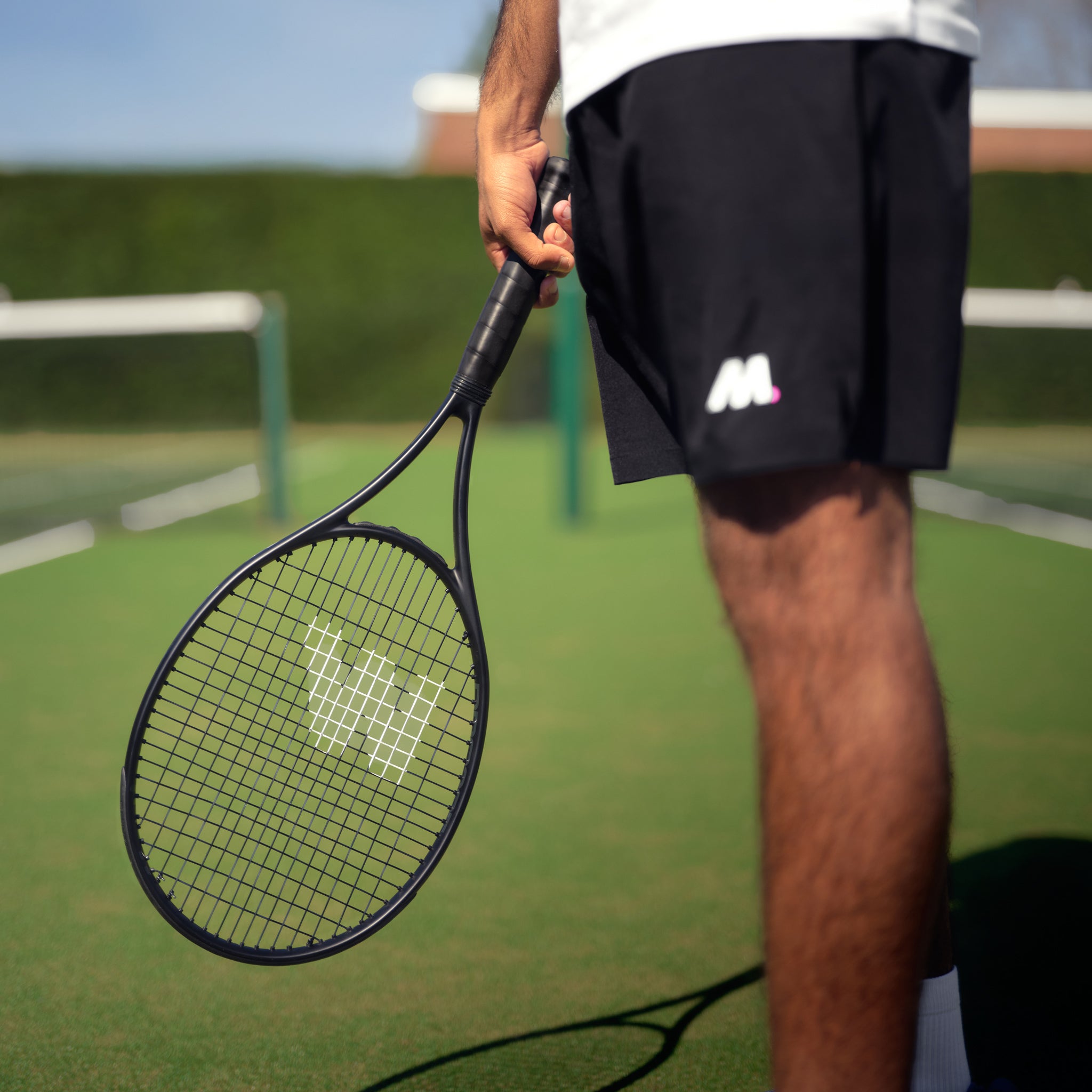
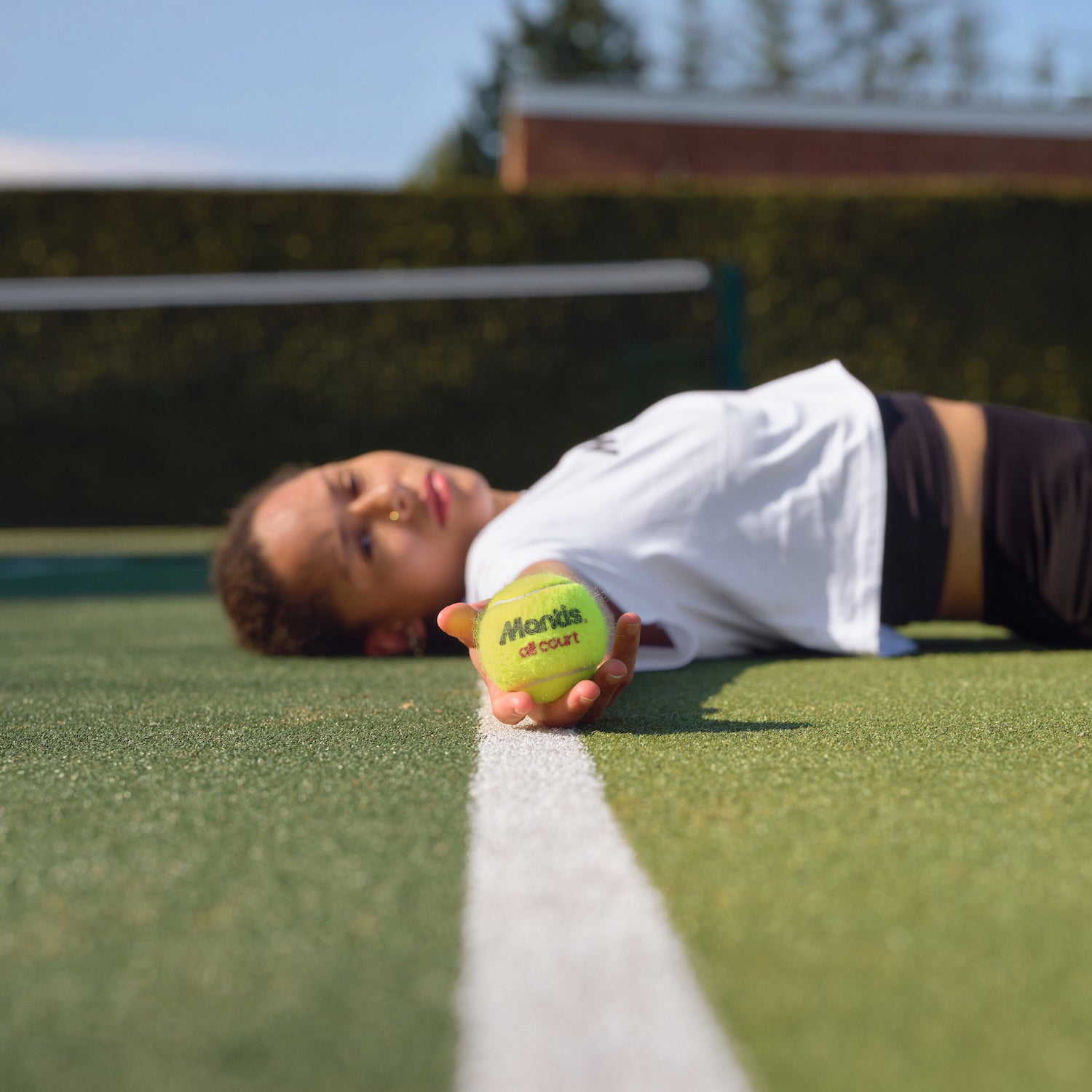






There's a revolution happening on courts worldwide, and it's not tennis. Padel, the dynamic racket sport that combines elements of tennis and squash, has exploded from relative obscurity to global phenomenon. With over 35 million players worldwide, this thrilling game is reshaping how we think about racket sports in 2026. For those who live for the grind, who find beauty in mastering technique and embracing new challenges, understanding padel offers fresh perspective on athletic progress.
The Unique Appeal of Padel
What makes this sport so captivating? Unlike traditional tennis, padel is played on a smaller court enclosed by glass walls and metal mesh fencing. The walls are part of the game, allowing players to use rebounds strategically. This creates longer rallies and requires quick reflexes, tactical thinking, and constant movement.
The dimensions tell the story. A standard court measures 10 by 20 metres, roughly one-third the size of a tennis court. This compact space means:
- Faster-paced rallies that demand split-second decisions
- Lower physical barriers to entry compared to traditional tennis
- Greater social interaction as the sport is always played in doubles
- Strategic depth through wall play and positioning
The racket itself differs significantly from traditional tennis rackets. Solid-faced with no strings, perforated with holes, and shorter than a tennis racket, it creates a unique feel and playing style. Understanding these differences matters for anyone serious about racket sports equipment.
The Global Growth Trajectory
How padel took over the world is a story of organic expansion meeting perfect timing. Invented in Mexico in 1969, the sport found its true home in Spain before spreading across Europe, Latin America, and beyond. Britain has witnessed remarkable growth since the pandemic, with courts appearing at clubs, leisure centres, and even private venues.
| Region | Estimated Players | Court Growth (2020-2026) |
|---|---|---|
| Europe | 15 million+ | 400% increase |
| Latin America | 12 million+ | 250% increase |
| Middle East | 3 million+ | 600% increase |
| North America | 2 million+ | 800% increase |
These numbers reveal something profound. The sport attracts those who value accessibility without sacrificing competitive depth. The US Padel Association has been instrumental in promoting growth stateside, recognising that this game appeals to tennis players seeking variety and complete beginners alike.
Technical Demands and Skill Development
For dedicated athletes who thrive on continuous improvement, padel presents fascinating technical challenges. The solid racket face changes how you approach spin, power, and control. The walls demand spatial awareness and geometric thinking. The doubles format requires communication and partnership that goes beyond individual brilliance.
Consider the serve alone. Unlike tennis, padel requires an underhand serve that must bounce before crossing the net. This levels the playing field, reducing the dominance of power servers and emphasising placement and strategy.
Key technical elements include:
- Wall play mastery – reading angles and timing rebounds
- Racket control – adapting to a solid face instead of strings
- Positional awareness – working as a doubles team
- Spin variation – creating effects without string tension
- Court coverage – maximising movement in compact space
These skills transfer beautifully for tennis players whilst offering fresh challenges. Understanding racket specifications helps appreciate how different equipment demands different techniques.
Padel sport Equipment and Material Considerations
The obsessed athlete pays attention to gear. Padel rackets come in three primary shapes: round (control), diamond (power), and teardrop (balance). The materials matter enormously. Carbon fibre, fibreglass, and foam cores create distinct playing characteristics.
For those familiar with tennis racket materials, the principles translate but the application differs. The solid face means the material composition directly affects every shot. There's no string tension to adjust, no personalisation through stringing patterns.
This demands careful racket selection based on playing style and skill level. Beginners benefit from softer, more forgiving constructions. Advanced players seek stiffer materials for precision and power. The market has responded with sophisticated options that rival tennis equipment in engineering quality.
Finding Your Game
Whether you're a coach looking to expand your offering or an amateur seeking new challenges, getting started requires the right resources.
The governing bodies including the International Padel Federation maintain standards and promote growth. For industry professionals and enthusiasts alike, Racket Business serves as an invaluable resource covering business trends, equipment innovations, and market analysis across all racket sports, offering insights that help players and coaches stay ahead of industry developments.
The Community Culture
What sets this sport apart isn't just the rules or equipment. It's the culture. Padel emphasises social connection, accessibility, and shared progress. The doubles format creates natural partnerships. The enclosed court fosters conversation between points. The lower entry barrier welcomes newcomers whilst providing depth for serious competitors.
This aligns perfectly with values of mentorship and inclusivity. At Mantis, we recognise that the obsessed don't limit themselves to single disciplines. They pursue excellence wherever they find it, whether on a tennis court or behind glass walls. The commitment to improvement, the respect for craft, the joy in the process – these transcend any individual sport.
The beauty lies in the journey. Every wall shot mastered, every new partnership formed, every tactical insight gained contributes to something larger. A lifelong pursuit of athletic excellence that doesn't recognise artificial boundaries between racket sports.
Padel represents more than just another sport – it embodies the same dedication to progress and community that defines true athletes. Whether you're exploring new challenges or deepening your racket sport expertise, the principles remain constant: quality equipment, continuous improvement, and genuine passion for the game. Mantis exists for those who understand this journey, crafting precision-engineered gear for every court and every challenge, because progress never stops.