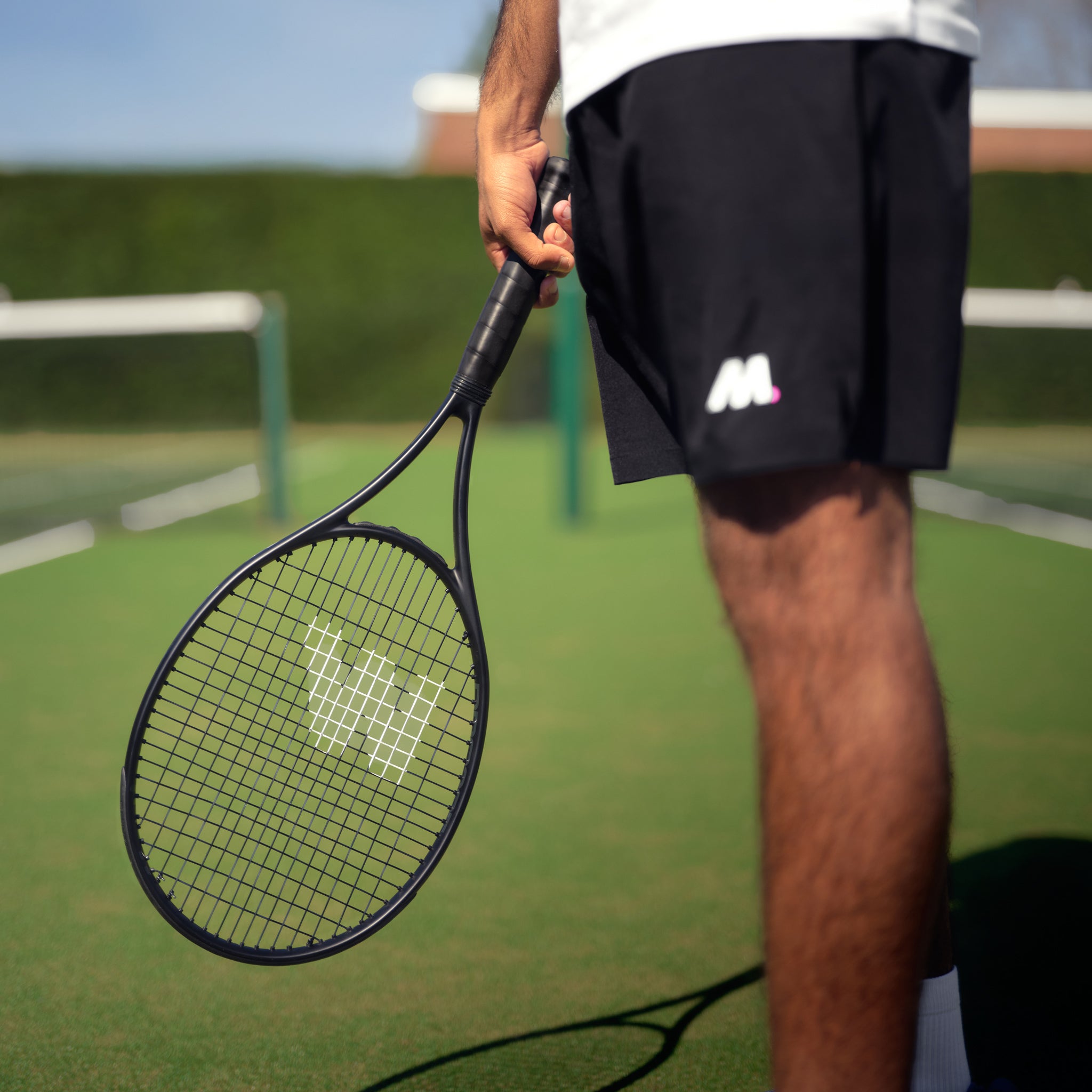






The fastest-growing racket sport in Britain isn't slowing down. As padel courts continue to appear across the country, players are discovering what veterans have known for years: the smallest details make the biggest difference. Amongst those details, padel overgrips stand quietly at the intersection of comfort, control, and performance. Whether you're grinding through your third match of the afternoon or perfecting your technique during early morning sessions, that thin layer wrapped around your racket handle might be the most underestimated piece of kit in your bag.
What Makes Padel Overgrips Different
Padel demands a unique blend of finesse and power that sets it apart from traditional racket sports. The glass walls, rapid exchanges, and constant movement create scenarios where grip matters intensely.
The Physics of Contact
Every shot transfers energy from your hand through the racket to the ball. That transfer depends entirely on how securely you're connected to your equipment. When sweat accumulates, or when the original grip loses its tackiness, that connection weakens.
Padel overgrips solve three fundamental problems:
- They provide a fresh, tacky surface that maintains consistent friction
- They absorb moisture during extended play sessions
- They allow customisation of handle thickness to suit individual preferences
The beauty lies in their simplicity. Rather than replacing the entire base grip, you add a thin layer that transforms the feel instantly.
Choosing the Right Overgrip for Your Style
Not all padel overgrips perform identically. Your playing style, hand physiology, and environmental conditions all influence which type serves you best.
| Overgrip Type | Best For | Key Benefit | Drawback |
|---|---|---|---|
| Tacky | Sweaty hands | Maximum grip security | Wears faster |
| Perforated | Hot conditions | Superior ventilation | Less durability |
| Cushioned | Comfort seekers | Vibration dampening | Increases handle size |
| Thin | Feel players | Enhanced racket feedback | Minimal moisture control |
Those who prioritise control typically gravitate towards thinner options that preserve the racket's original feedback. Power players often prefer slightly thicker grips that provide more cushioning during aggressive shots.
Understanding these characteristics matters because the right choice amplifies your natural strengths whilst compensating for weaknesses. Much like understanding tennis racket specifications helps tennis players optimise their equipment, selecting appropriate overgrips requires awareness of how different properties affect performance.
When to Replace Your Overgrip
Fresh padel overgrips deliver predictable performance. Worn ones create uncertainty precisely when you need confidence most.
Visual and Tactile Indicators
The surface tells you everything. When that initial tackiness fades to smoothness, when the texture flattens, when you notice yourself constantly adjusting your hand position, replacement time has arrived.
Watch for these warning signs:
- Visible wear patterns where your fingers contact the grip
- Loss of original colour, especially yellowing or darkening
- Reduced moisture absorption during play
- Slipping during powerful shots or quick reactions
Serious players change overgrips weekly. Recreational enthusiasts might stretch to monthly replacements. The frequency depends on playing volume, hand perspiration levels, and storage conditions.
Climate affects longevity dramatically. British weather presents particular challenges. Indoor courts maintain relatively stable conditions, but outdoor summer sessions or damp autumn matches accelerate deterioration. Similar to how tennis shoes for clay courts require specific consideration for surface conditions, overgrips demand attention to environmental factors.
Application Technique Matters
Even premium padel overgrips underperform when poorly applied. The wrapping process requires patience and attention to detail.
Start at the bottom of the handle, slightly overlapping each wrap as you spiral upwards. Maintain consistent tension throughout. Too loose creates bunching and slippage. Too tight produces uncomfortable ridges.
The finishing adhesive strip secures everything. Position it carefully, pressing firmly to eliminate air pockets. Some players add electrical tape for extra security during competitive matches.
Common Mistakes to Avoid
- Starting the wrap in the wrong direction
- Inconsistent overlap spacing
- Insufficient tension at the top of the handle
- Forgetting to remove the original plastic backing
For those new to the process, watching experienced players demonstrates nuances that written descriptions miss. The technique shares similarities with how to grip a tennis racket in terms of understanding proper hand placement and comfort.
Performance Benefits Beyond the Obvious
Confidence transforms performance. When you trust your equipment completely, your mind focuses on strategy and execution rather than worrying about slippage.
Padel overgrips deliver psychological advantages that statistics struggle to capture. That security allows aggressive shot selection. You commit fully to power smashes because you know the racket won't twist. You execute delicate drop shots with precision because your hand feels every subtle movement.
Additional benefits include:
- Reduced vibration transmission to your wrist and elbow
- Extended base grip lifespan through protective layering
- Cost-effective performance enhancement compared to equipment upgrades
- Personalisation opportunities through colour and texture choices
These advantages compound during crucial moments. Championship points, tournament matches, club finals-these situations demand equipment that disappears from conscious thought.
The Connection to Broader Equipment Philosophy
Quality gear supports dedication. At Mantis, we've built our reputation on understanding what serious players need. Whether you're getting better at tennis or transitioning to padel, the principles remain constant: precision matters, details accumulate, and obsession with improvement separates those who plateau from those who progress.
For players seeking deeper insights into racket sports equipment and business, Racket Business provides valuable industry analysis and trends that help understand the broader context of gear development. It's a useful resource for anyone interested in the commercial side of racket sports and how equipment innovation reaches the market.
The same mindset that drives elite athletes to replace padel overgrips regularly motivates coaches to refine teaching methods continuously and amateurs to pursue incremental gains relentlessly. Progress isn't accidental. It's engineered through countless small decisions that honour the craft.
Padel overgrips represent more than mere accessories-they're statements about how seriously you take your development. Fresh wraps signal respect for the process, acknowledgement that every detail contributes to the whole. Whether you're coaching the next generation or grinding through your own improvement journey, Mantis exists to support those who find joy in the pursuit itself, offering precision-crafted gear for players who demand excellence without compromise.