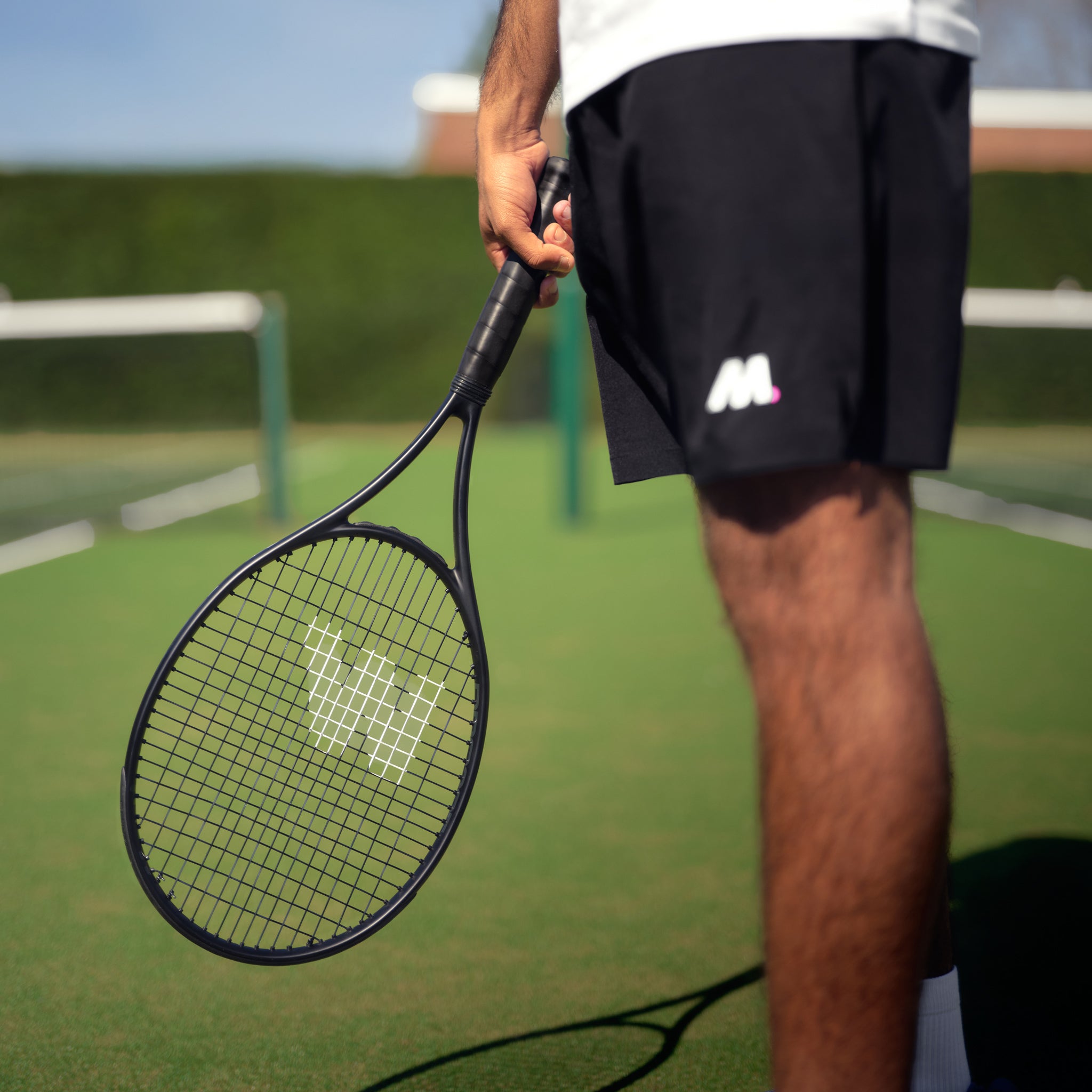
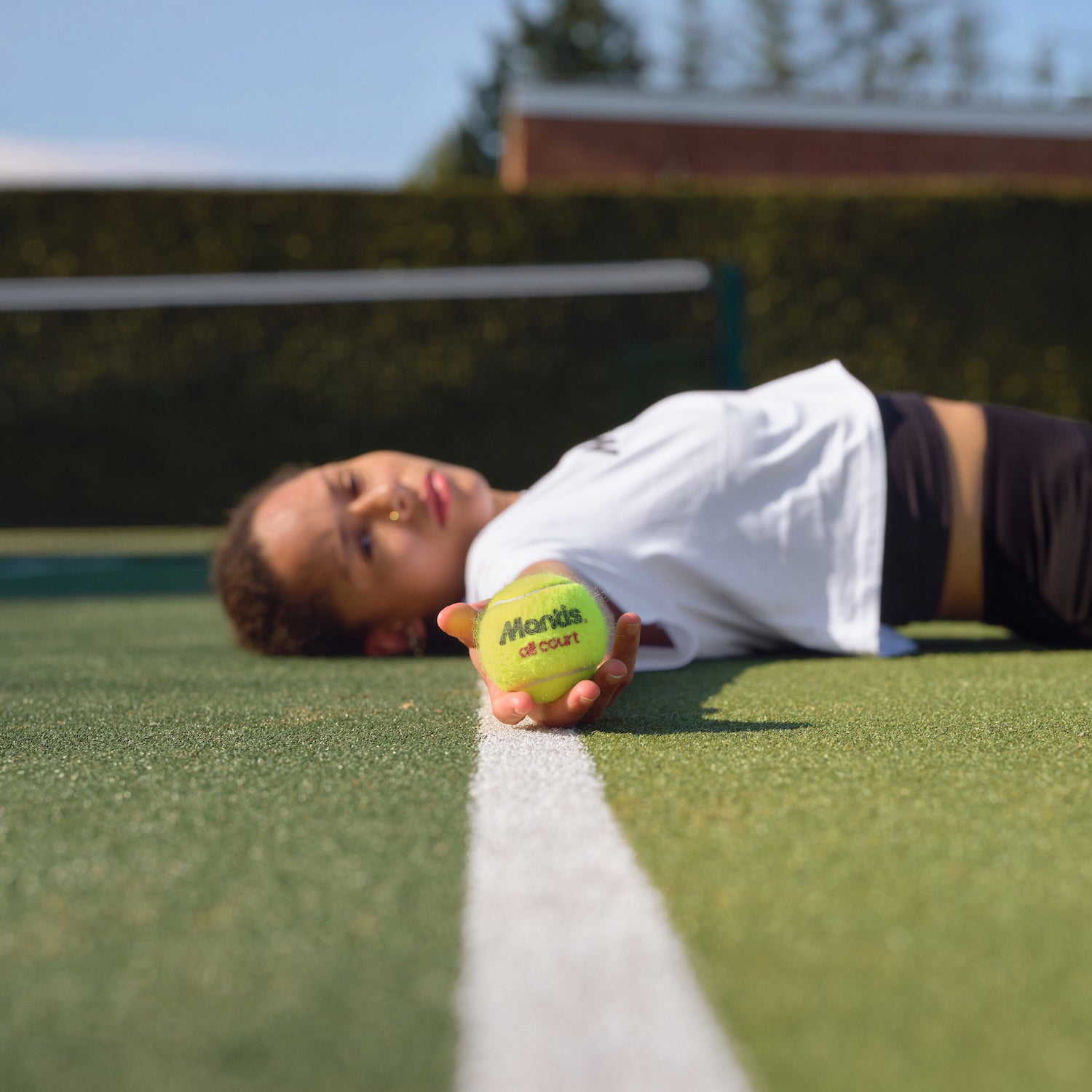






There's something deceptively simple about tennis overgrips. A thin layer of synthetic material, wrapped carefully around your racket handle, might seem like the smallest detail in your kit bag. Yet for those who've experienced the frustration of a racket slipping mid-serve or the distraction of blisters forming during a crucial third set, these unassuming accessories become game-changers. Whether you're coaching juniors through their first tournament or grinding through your own late-night practice sessions, understanding how to choose and maintain your grip can make the difference between progress and plateau.
Why Tennis Overgrips Matter More Than You Think
Walk onto any club court in Britain and you'll notice something interesting. The players who show up consistently, the ones logging hours rather than highlights, almost always have fresh overgrips on their rackets.
This isn't coincidence.
Tennis overgrips serve three critical functions:
- They absorb moisture from your hands, preventing dangerous slippage during play
- They provide customisable thickness to fine-tune your racket grip size
- They protect your base grip from wear, extending the life of your equipment
For club players and coaches, the economic argument alone is compelling. A quality base grip replacement can cost £15-20 and requires professional installation. An overgrip costs £2-4 and takes two minutes to wrap yourself.
But the performance benefits run deeper than economics.
The Science of Contact and Control
When your hand connects with your racket handle, you're creating the foundation for every shot you'll hit. Too much grip pressure wastes energy and causes tension through your arm. Too little, and you'll compensate with tighter muscles, inviting injury.
The right overgrip creates what biomechanics researchers call "optimal grip security"-enough traction to maintain control without requiring excessive force. This seemingly minor adjustment cascades through your entire kinetic chain, from wrist position to shoulder rotation.
Think about your last doubles match. How many times did you adjust your grip between points? How often did sweat become a factor in the second set? These aren't trivial concerns for weekend warriors-they're the difference between executing your doubles strategy effectively and scrambling to compensate.
Choosing the Right Overgrip: Key Characteristics
The market offers dozens of options, each claiming superiority. But strip away the marketing and you'll find that tennis overgrips vary along three primary dimensions.
| Characteristic | Impact on Performance | Best For |
|---|---|---|
| Thickness | Alters handle size, affects feel | Players between grip sizes, those wanting custom fit |
| Tackiness | Provides immediate grip, wears faster | Sweaty hands, aggressive play styles |
| Absorption | Manages moisture, lasts longer | Extended sessions, humid conditions |
Thickness typically ranges from 0.4mm to 0.75mm. Thinner grips preserve the original feel of your racket and suit players with precise grip size preferences. Thicker options add cushioning and can bridge the gap if you're between sizes-particularly useful for women players who often find standard grip sizes slightly large.
Tackiness delivers instant satisfaction. That sticky, adhesive feel provides immediate confidence, especially for aggressive baseliners who generate heavy topspin. The trade-off? Tacky overgrips typically wear faster, requiring more frequent replacement.
Absorption might seem less exciting, but for the dedicated player training through British summer humidity, moisture management becomes paramount. Absorbent overgrips pull sweat away from your palm, maintaining consistent feel throughout long practice blocks.
Material Matters
Modern tennis overgrips use various synthetic polymers, each with distinct properties:
- Polyurethane blends offer durability and consistent feel across temperature ranges
- Perforated designs enhance breathability and moisture dispersal
- Textured surfaces provide grip without excessive tackiness
The material choice interacts with your playing style and environment. Clay court specialists might prioritise absorption to manage the grit and sweat. Hard court players often prefer tacky options that maintain feel despite the jarring impacts.
Installation and Maintenance: Maximising Performance
Even the finest overgrip performs poorly if installed incorrectly. We've watched countless club players struggle with wrinkled, loose grips that shift during play-often because they've never been shown proper technique.
The installation process requires:
- Start at the base of your handle with slight overlap
- Maintain consistent tension throughout the wrap
- Angle each wrap slightly to create seamless coverage
- Secure the finishing tape firmly without creating bulk
Here's a detail most players miss: the direction of your wrap matters. Right-handed players should wrap counter-clockwise (clockwise when viewing from above), creating edges that sit naturally under your fingers during forehand grips.
For coaches working with juniors, demonstrating proper installation becomes a valuable teaching moment. It reinforces attention to detail and equipment care-habits that extend beyond grip tape into match preparation and practice discipline.
When to Replace Your Overgrip
Many recreational players use their overgrips far too long, unknowingly compromising performance and risking injury. Fresh grips aren't just about feel-they're about function.
Replace your overgrip when you notice:
- Visible smoothing or shiny patches where your hand sits
- Reduced traction when you squeeze the handle
- Accumulated dirt that cleaning can't remove
- Any slippage during normal play
Serious club players often change overgrips every 8-12 hours of play. Coaches working multiple sessions daily might replace theirs weekly. These aren't signs of wastefulness-they're investments in consistent performance and injury prevention.
Common Mistakes and Solutions
After a quarter century serving tennis players, Mantis has observed patterns in how people approach their equipment. Tennis overgrips suffer particularly from well-meaning but counterproductive habits.
The most frequent errors include:
| Mistake | Consequence | Solution |
|---|---|---|
| Using old, degraded grips | Inconsistent feel, blisters, lost confidence | Set replacement schedule based on playing hours |
| Over-tightening grip pressure | Arm fatigue, reduced racket head speed | Focus on grip security from fresh overgrip, not hand tension |
| Ignoring environmental factors | Poor performance in heat/humidity | Adjust overgrip choice seasonally |
One club coach we work with keeps a log of when students change their overgrips. She's noticed a direct correlation between fresh grips and improved technique during lessons-players stop compensating for equipment issues and can focus on proper mechanics.
The Economics of Regular Replacement
Some players baulk at replacing overgrips frequently, viewing it as unnecessary expense. But consider the mathematics: if a £3 overgrip prevents one blister that forces you to miss a week of play, you've saved far more than money-you've preserved momentum in your development.
For those tracking their tennis investment, racket business offers comprehensive resources on equipment management and the economics of club tennis, providing valuable context for players and coaches alike who want to maximise their return on training time and equipment spend.
Integration with Your Complete Setup
Tennis overgrips don't exist in isolation. They're part of a complete system that includes your racket, strings, and playing environment.
Think about how your overgrip choice interacts with other equipment decisions. A thicker grip combined with polyester strings creates a different feel than the same grip paired with multifilament. Players who've optimised their string setup often discover that grip adjustments complete the picture.
The holistic approach matters particularly for coaches developing junior players. Teaching young athletes to pay attention to every detail-from string tension to grip freshness to even court-specific footwear-builds the mindset required for long-term improvement.
Building Better Habits Around Equipment Care
For players committed to genuine improvement, tennis overgrips become a barometer of overall equipment discipline. Those who maintain fresh grips typically also keep their rackets properly strung, their shoes in good condition, and their practice sessions well-structured.
We encourage players to establish simple routines: check your grip before every practice session, keep spare overgrips in your bag, learn to install them yourself. These small habits compound over time, creating the foundation for consistent performance.
The beauty of focusing on controllable details like grip maintenance is that it builds confidence. When you step onto court knowing your equipment is optimised, you eliminate variables. Your mind is free to focus on tactics, technique, and the opponent across the net.
Tennis overgrips exemplify the principle that marginal gains matter-small improvements in equipment, technique, and preparation compound into meaningful performance differences. For players who train consistently and coaches developing the next generation, attention to details like grip freshness separates those making genuine progress from those simply logging hours. Mantis exists to support that journey, providing precision-engineered equipment for players who find joy in the process of getting better, one detail at a time.