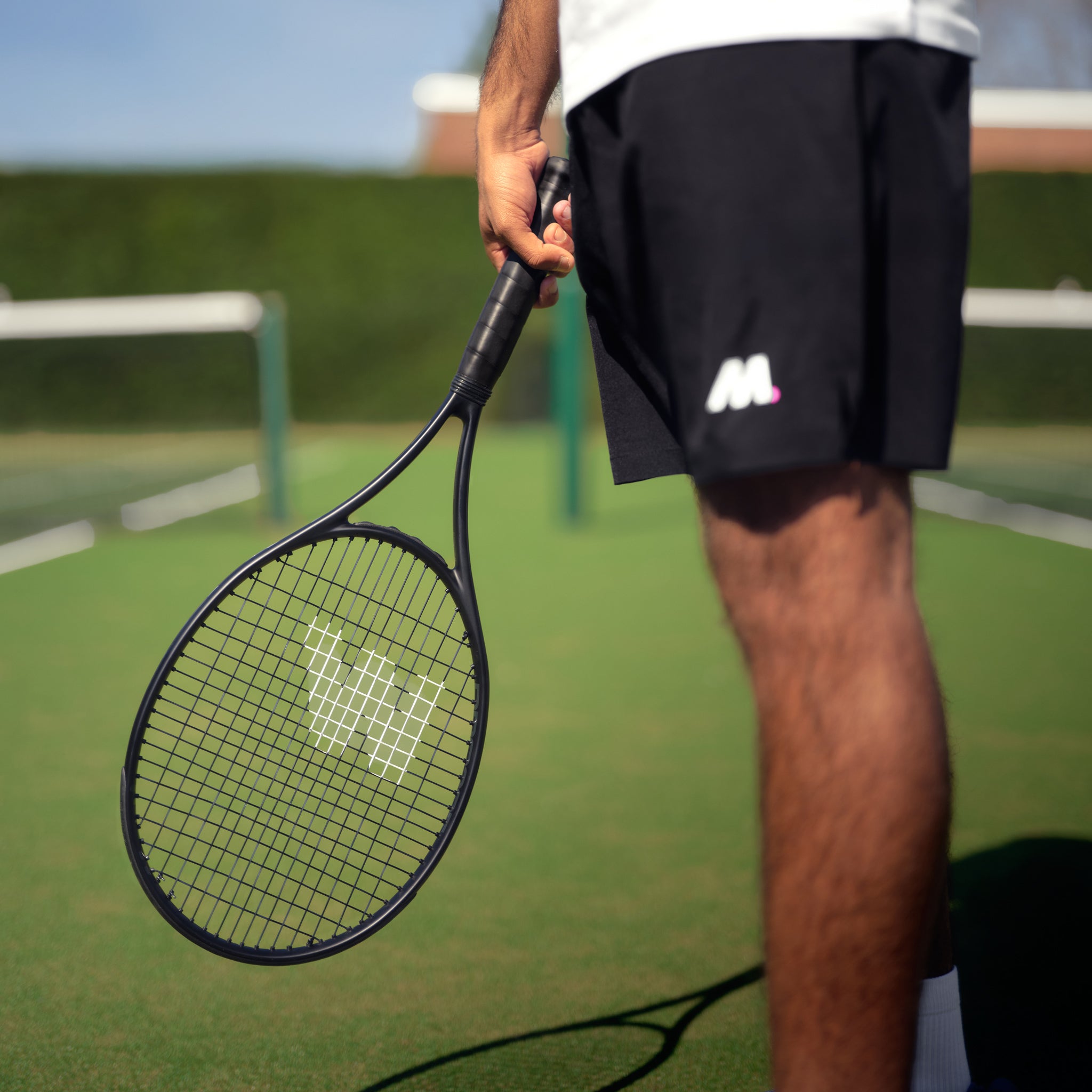
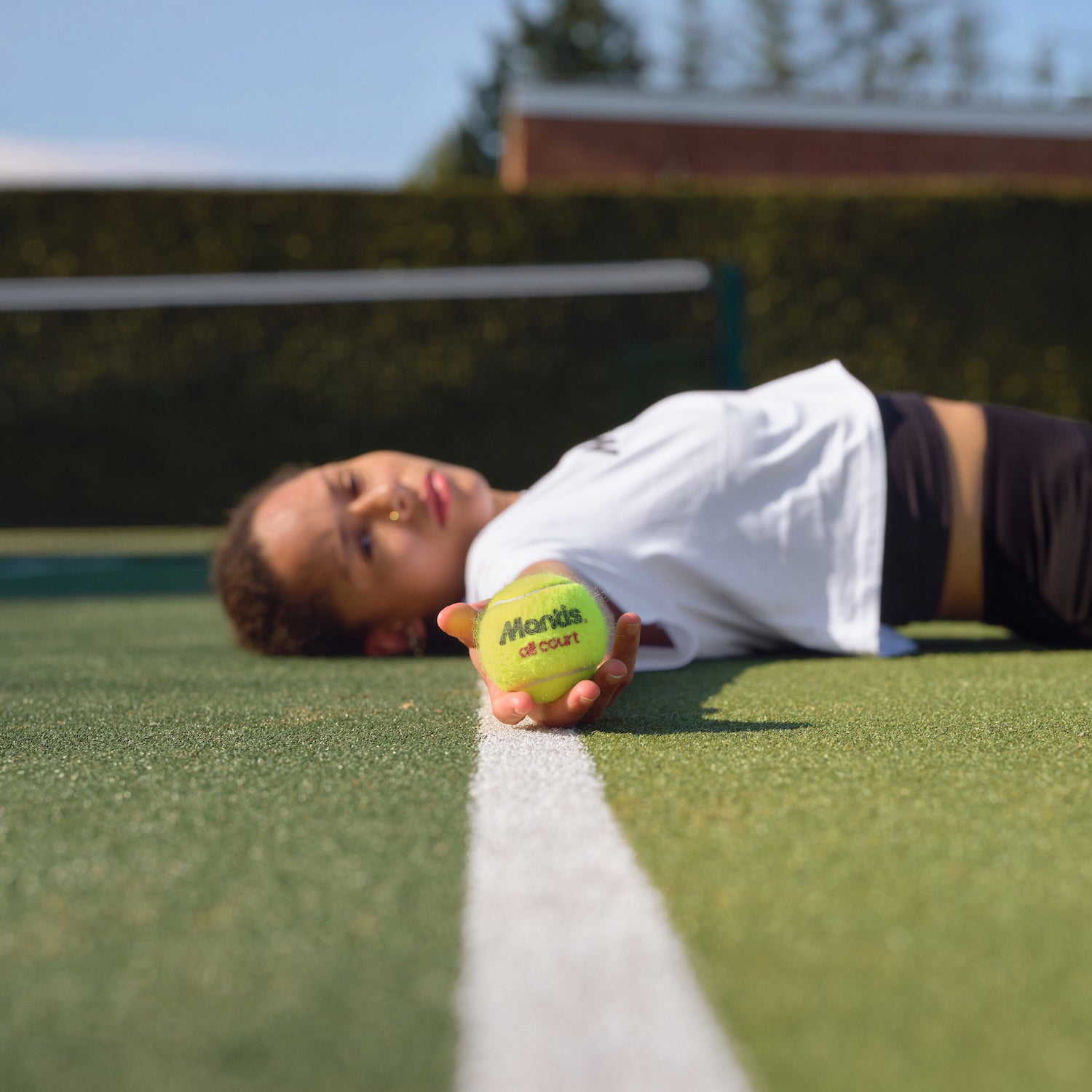






Stepping onto a tennis court for the first time is thrilling. But walk into any sports shop and you'll face a bewildering wall of rackets, each promising performance, power, or precision. For someone just starting their journey, the question becomes urgent: which is truly the best racket for beginners? The answer isn't about chasing professional specs or the latest flashy design. It's about finding a frame that lets you develop proper technique, minimises injury risk, and grows with you as your game evolves. Let's cut through the marketing noise and focus on what genuinely matters when you're taking those crucial first steps in tennis.
Why Your First Racket Choice Matters More Than You Think
Beginners often assume any racket will do. That's a costly mistake.
Your first frame shapes how you learn the game. Choose poorly and you'll fight against your equipment, developing compensatory techniques that become harder to unlearn later. A racket that's too heavy creates unnecessary strain. One that's too light offers no stability on impact. The wrong grip size can contribute to tennis elbow before you've even mastered your forehand.
The Hidden Cost of Getting It Wrong
Consider this: research shows that equipment choices directly influence joint loading and injury risk. A frame that's ill-suited to your strength and coordination doesn't just feel awkward. It actively works against your body's biomechanics, increasing stress on your wrist, elbow, and shoulder with every stroke.
That's why selecting the best racket for beginners demands careful thought, not impulse buying.
Core Features That Define a True Beginner-Friendly Racket
What separates a genuinely beginner-appropriate frame from one designed for intermediate or advanced players? Several key specifications make all the difference.
| Feature | Beginner Specification | Why It Matters |
|---|---|---|
| Head Size | 100-110 square inches | Larger sweet spot forgives off-centre hits |
| Weight | 265-285 grams (unstrung) | Light enough to manoeuvre, heavy enough for stability |
| Balance | Head-light or even | Reduces strain, improves control during learning phase |
| Grip Size | Measured for your hand | Wrong size = discomfort and potential injury |
| String Pattern | 16x19 (open pattern) | Generates helpful spin, more forgiving on mishits |
Head size deserves special attention. A larger head (100-110 sq in) creates a sweet spot that's genuinely forgiving when you're still developing consistency. You'll make contact away from the centre. Frequently. An oversized frame turns would-be errors into playable shots.
Weight and balance work together. Many beginners gravitate toward the lightest option, thinking it's easier to swing. But a frame under 260 grams often lacks the stability needed when the ball hits the strings. You want something light enough to control, yet substantial enough to provide feedback and power without excessive effort.
Grip Size: The Detail Most Beginners Ignore
Measure your grip properly. Hold your racket hand flat, fingers extended. Measure from the bottom lateral crease of your palm to the tip of your ring finger. That measurement (in inches) approximates your grip size.
- 4 inches (Grip 0) - Junior or very small hands
- 4 1/8 inches (Grip 1) - Small adult hands
- 4 1/4 inches (Grip 2) - Average women's hands
- 4 3/8 inches (Grip 3) - Average men's hands
- 4 1/2 inches (Grip 4) - Large hands
Too small and your hand overworks to stabilise the frame. Too large and you can't hold it comfortably through a full session. Neither outcome serves your development.
The Demo Experience: Why Testing Before Buying Is Non-Negotiable
Here's something the tennis industry doesn't advertise loudly enough: you cannot truly know if a racket suits you until you've hit with it.
Static specifications tell part of the story. But how a frame feels during an actual rally, how it responds when you're tired in the second set, how naturally it sits in your hand through a hundred groundstrokes-that's information you can only gather through experience.
Mantis understands this reality. That's why we offer demo racquets that let you test frames before committing. It's not a gimmick. It's recognising that progress happens when equipment genuinely fits the player.
What to Notice During Your Demo
When you're testing potential options for the best racket for beginners, pay attention to these details:
- Comfort through the hitting zone - Does the impact feel harsh or smooth?
- Manoeuvrability - Can you prepare quickly and recover between shots?
- Stability on off-centre hits - What happens when you miss the sweet spot?
- Arm fatigue - How does your forearm, elbow, and shoulder feel after 20 minutes?
Trust your body's feedback. If something feels awkward or creates discomfort, that's valuable data regardless of what the spec sheet promises.
Injury Prevention: How the Right Frame Protects Your Development
Tennis elbow isn't just a professional's problem. Beginners face significant risk, especially when learning technique whilst using inappropriate equipment.
The biomechanics are clear: a racket that's too stiff, too heavy, or poorly balanced increases joint loading with every stroke. Multiply that across hundreds of repetitions per session, and you're setting yourself up for overuse injuries that could derail your tennis journey before it properly begins.
Key injury-prevention features in a beginner racket:
- Lower stiffness rating (around 60-65 RA)
- Head-light or evenly balanced weight distribution
- Appropriate weight for your strength level
- Comfortable grip size
- Quality strings at suitable tension
For readers interested in understanding the biomechanical relationships between racket properties and injury risk, Racket Business offers comprehensive technical resources that bridge sports science and equipment design. It's particularly valuable for coaches and serious amateurs who want to dig deeper into how equipment choices influence player development and wellbeing.
Consider pairing your new frame with the right strings as well. Learning about tennis string tension helps you optimise both performance and comfort from the start.
Common Mistakes Beginners Make When Choosing Their First Racket
Even armed with good information, new players often stumble into predictable traps.
Mistake one: Copying professional players. Roger Federer's racket weighs 340 grams strung and requires immense strength to wield effectively. You are not Roger Federer. Chasing pro specs as a beginner is like trying to drive a Formula 1 car before you've passed your driving test.
Mistake two: Prioritising aesthetics over function. Yes, that neon-green frame looks brilliant. But if it's too heavy, too stiff, or poorly suited to your build, it's a decorative ornament that happens to impede your progress.
Mistake three: Ignoring the demo process. We've covered this, but it bears repeating. Static research only gets you so far. Hit with the frame before you buy it.
Mistake four: Buying based solely on price. The cheapest option often uses inferior materials and construction. The most expensive typically incorporates features designed for advanced players. The best racket for beginners sits in the middle-quality construction at a sensible price point, with specifications genuinely matched to early-stage development.
Budget Considerations: What Should You Actually Spend?
Let's be practical about investment.
A genuinely good beginner racket from a quality manufacturer typically costs £60-120. That might seem significant if you're unsure whether tennis will become a lasting pursuit. But consider the alternative: buying a £30 department-store frame that feels terrible, hinders your development, and needs replacing within months anyway.
Quality equipment supports your progress. Poor equipment fights against it.
| Price Range | What You Get | Best For |
|---|---|---|
| Under £50 | Basic construction, limited durability | Very casual play only |
| £60-90 | Solid beginner specs, decent materials | Committed beginners, regular club play |
| £90-120 | Premium beginner features, excellent durability | Serious development, frequent sessions |
| Over £120 | Intermediate/advanced specs | Not appropriate for true beginners |
Mantis adult tennis rackets occupy that sweet spot-engineered quality without the inflated pricing that comes from sponsoring Grand Slam champions. We build frames for the player who cares about craft, not celebrity endorsements.
The Role of Strings and Tension in Beginner Performance
Your racket doesn't work alone. The strings you choose and how they're tensioned dramatically affect how the frame performs.
Beginners benefit from multifilament or synthetic gut strings, which offer comfort and power. Natural gut is excellent but expensive for someone still learning. Polyester strings, popular with advanced players for control and spin, are generally too stiff and harsh for developing technique.
Recommended string tension for beginners: 50-55 pounds. Lower tension creates a more forgiving feel, generates easier power, and reduces shock transmitted to your arm. As your technique improves and you develop consistent stroke mechanics, you can experiment with slightly higher tensions.
Don't overlook this aspect. Even the best racket for beginners won't perform optimally if strung inappropriately. Take time to explore tennis racquet stringing tension and understand how this variable affects your on-court experience.
Beyond Your First Frame: How to Know When to Upgrade
Here's the good news: a properly selected beginner racket should serve you well for a considerable time. You're not looking to upgrade after a month or even six months.
But eventually, your game will outgrow your first frame. How do you know when that moment arrives?
Signs you're ready for a new racket:
- You've developed consistent stroke mechanics
- Your current frame feels too powerful or lacks control
- You're ready to experiment with different playing styles
- Your physical strength has increased significantly
- You're competing more seriously
Most beginners can comfortably play with their first quality racket for 12-24 months before considering an upgrade. Rushing this process usually creates more problems than it solves.
Supporting Your Development Beyond Equipment
Choosing the best racket for beginners is crucial, but it's only one element of your tennis journey.
Consider investing in quality tennis balls appropriate to your level. Beginners often benefit from slightly lower-compression balls that travel slower and bounce more predictably, giving you extra time to develop positioning and stroke mechanics.
If you're serious about improvement, complement your court time with proper preparation. Understanding tennis strength training helps build the physical foundation that supports injury-free development and long-term progress.
Remember: tennis is a lifelong pursuit. Every piece of equipment, every training session, every moment of practice contributes to something bigger than winning your next match. It's about the journey of continuous improvement, the satisfaction of mastering a difficult skill, and the community you join along the way.
That philosophy sits at the heart of everything Mantis creates. We exist for the player who shows up early, stays late, and finds genuine joy in the process of getting better. Not the celebrity chasing endorsement deals, but the dedicated amateur grinding through another practice session on a rainy Tuesday evening.
Finding the best racket for beginners means balancing forgiveness, comfort, and quality construction-specifications that support your development rather than hinder it. The right frame accelerates your progress, protects your body from injury, and grows with you as your technique evolves. At Mantis, we craft equipment for players who view tennis as a lifelong journey, not a fleeting hobby. Explore our range and discover what precision British engineering can bring to your game.