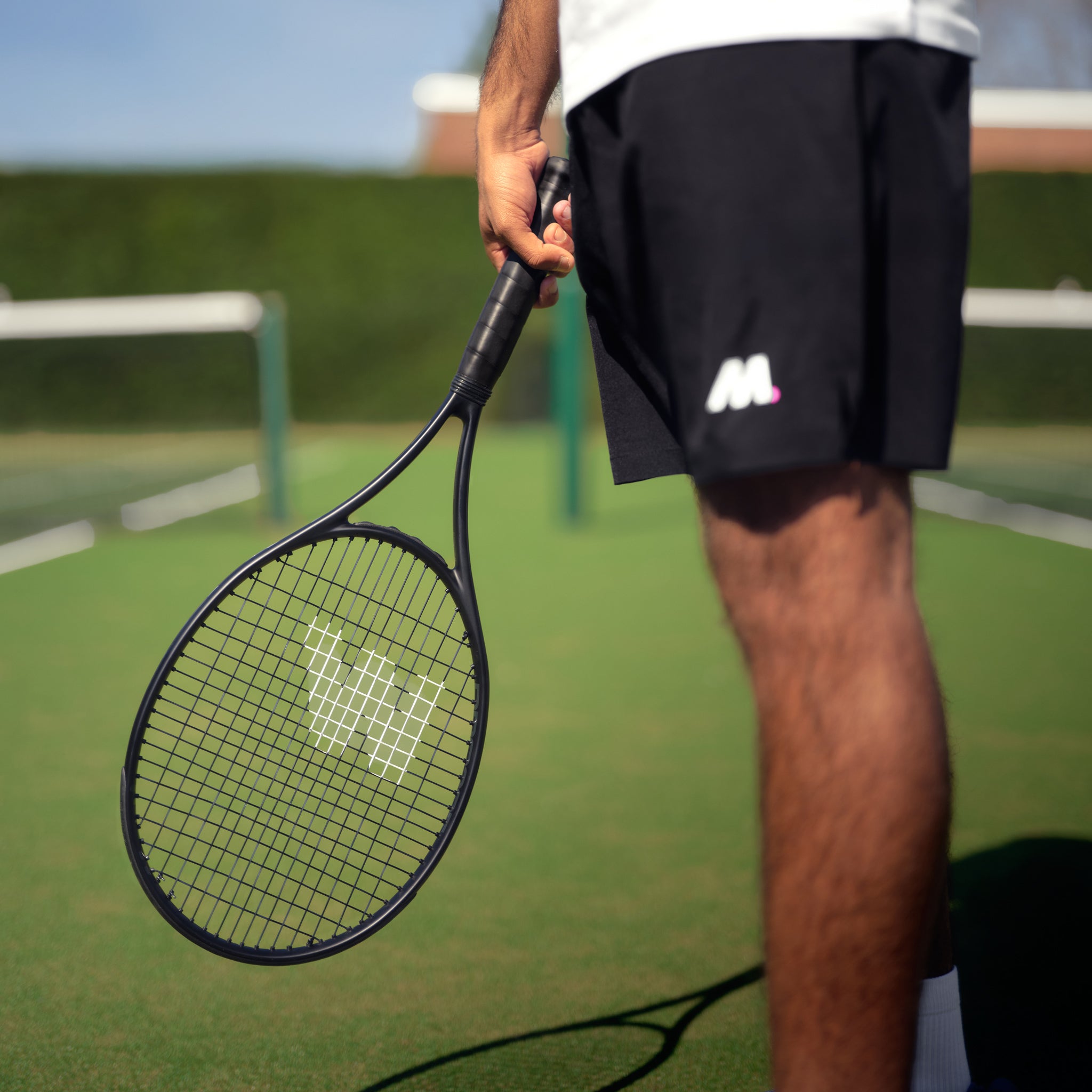
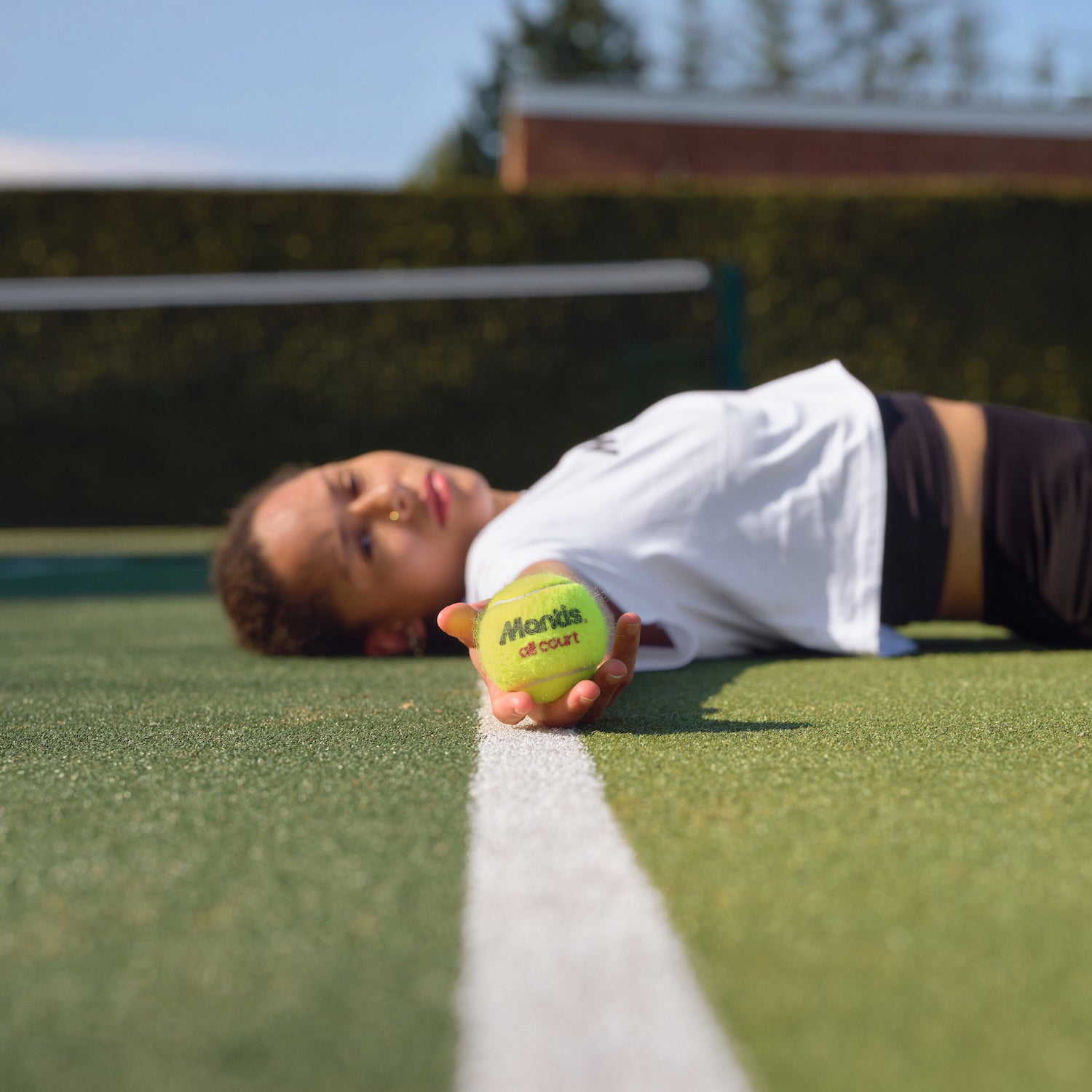






Stepping onto a tennis court for the first time is exhilarating-and slightly overwhelming. Between mastering footwork, perfecting your grip, and understanding the scoring system, you've got plenty to think about. Yet one decision will shape your entire learning journey: choosing the best racquet for beginners. Get this right, and you'll build confidence with every swing. Get it wrong, and you might struggle with control, develop poor technique, or even risk injury before you've truly started.
The good news? Finding the right frame doesn't require a PhD in racket science. Understanding a few core specifications-head size, weight, balance, and grip-will point you toward equipment that supports your development rather than hindering it. This guide walks you through exactly what matters when you're just starting out.
Why Your First Racquet Matters More Than You Think
Your racquet isn't just a tool-it's your partner in progress. Beginners need frames that forgive imperfect contact points and generate power without excessive effort. Think of it like learning to drive: you wouldn't start with a Formula 1 car that demands precision and strength you haven't developed yet.
Research published in peer-reviewed journals demonstrates how racket properties directly influence both performance and injury risk. Choosing a frame with appropriate specifications for your skill level can reduce strain on your joints whilst accelerating your learning curve.
The Trade-Off Between Power and Control
Every racquet balances power generation against precision control. As a beginner, you'll benefit from equipment that leans toward power. Why? Because you haven't yet developed the swing speed and technique to generate pace consistently.
Power-oriented frames typically feature:
- Larger head sizes (102-110 square inches)
- Lighter overall weight (250-285 grams unstrung)
- Head-heavy balance points
- Longer lengths (27-27.5 inches)
Mantis designs frames that strike this balance thoughtfully, recognising that beginners need equipment that builds confidence whilst preparing them for future progression.
Decoding Head Size: Your Sweet Spot for Success
Head size might be the single most important specification for new players. Larger heads create bigger sweet spots-the area on the string bed that delivers optimal power and feel when you make contact.
| Head Size | Sweet Spot | Power Level | Best For |
|---|---|---|---|
| 95-98 sq in | Small | Low | Advanced players |
| 98-102 sq in | Medium | Medium | Intermediate players |
| 102-110 sq in | Large | High | Beginners |
| 110+ sq in | Extra Large | Very High | Junior players |
When you're learning stroke mechanics, you won't hit the centre of the strings every time. A racquet in the 102-107 square inch range forgives off-centre hits whilst still offering enough control to develop proper technique.
The LTA expert guide to choosing the right tennis racket emphasises this point: larger heads help beginners get the ball over the net consistently, which builds the repetition needed for improvement.
Weight and Balance: Finding Your Comfort Zone
Pick up a racquet that's too heavy, and your arm will tire before you've finished a practice session. Choose one that's too light, and you'll lack stability on impact. The best racquet for beginners typically falls between 260-285 grams (unstrung weight).
Understanding Balance Points
Balance describes where the racquet's weight is distributed:
Head-heavy racquets place more mass toward the head, generating power with less effort. Perfect for beginners who haven't developed full swing mechanics.
Head-light racquets concentrate weight in the handle, offering manoeuvrability and control. Better suited to advanced players who generate their own power.
Even-balance racquets split the difference, providing versatility as your game develops.
For someone just starting their tennis journey, a head-heavy or slightly head-heavy frame takes less physical effort to swing effectively. Models like the Mantis Play 335 exemplify this approach, combining manageable weight with power-enhancing design.
Grip Size: The Overlooked Foundation
Grip size affects everything from comfort to injury prevention. Too small, and you'll grip excessively tight, fatiguing your forearm. Too large, and you'll struggle to achieve proper wrist action and spin generation.
Measure your grip size by holding your racquet hand flat, fingers extended. Measure from the middle crease of your palm to the tip of your ring finger. This distance in inches corresponds to your grip size.
Standard grip sizes:
- 4 inches (Grip 0) - Juniors/small hands
- 4 1/8 inches (Grip 1) - Small adult hands
- 4 1/4 inches (Grip 2) - Average female hands
- 4 3/8 inches (Grip 3) - Average male hands
- 4 1/2 inches (Grip 4) - Large hands
When in doubt, choose the smaller size. You can always add an overgrip to increase thickness, but you cannot reduce an oversized grip.
String Pattern and Tension: Setting Up for Success
String patterns describe how many vertical (main) and horizontal (cross) strings form the hitting surface. Open patterns (16x19) generate more spin and power. Dense patterns (18x20) offer control and durability.
As a beginner, lean toward open patterns paired with moderate tension (50-55 pounds). This combination maximises the trampoline effect that helps generate pace without perfect technique.
After selecting your frame, consider pairing it with a forgiving string like Mantis Comfort Synthetic, which reduces vibration whilst maintaining consistent playability.
For additional guidance on string selection as your game progresses, explore resources about tennis strings for spin.
Frame Stiffness: Balancing Comfort and Power
Racquet stiffness, measured on a scale of 0-100, determines how much the frame bends on impact. Stiffer frames (65-75) deflect less, returning more energy to the ball. Flexible frames (55-65) absorb more shock but require faster swing speeds to generate equivalent power.
Beginners benefit from moderately stiff frames (66-70 stiffness rating) that provide:
- Sufficient power from slower swing speeds
- Reasonable comfort and vibration dampening
- Forgiveness on mishits
Academic research examining tennis racket performance parameters confirms that frame stiffness significantly impacts both ball speed and joint loading during play.
Material Composition: What's Inside Your Frame
Modern racquets blend materials to optimise performance characteristics:
Graphite/carbon fibre forms the foundation of most quality frames, offering an excellent strength-to-weight ratio.
Aluminium appears in budget-friendly options, providing durability but less performance than composite materials.
Composite materials combine graphite with materials like titanium, Kevlar, or tungsten to fine-tune flex, weight distribution, and vibration dampening.
For beginners committed to progression, investing in a quality graphite composite frame pays dividends in performance and longevity.
Trial Before You Commit
The best racquet for beginners is ultimately the one that feels right in your hands. Many clubs and specialty shops offer demo programmes where you can test frames before purchasing.
When trialling racquets, pay attention to:
- Whether your arm feels comfortable after 20-30 minutes of hitting
- How easily you generate depth on groundstrokes
- Whether the grip feels secure without excessive tension
- How stable the frame feels on contact
The LTA's guidance for getting started in tennis emphasises the importance of proper equipment selection as part of your learning foundation.
Building Your Equipment Ecosystem
Your racquet doesn't exist in isolation. Pairing the right frame with appropriate balls and accessories creates an environment for consistent improvement.
Consider practising with pressureless tennis balls between coaching sessions-they maintain consistent bounce and help develop timing without the expense of replacing standard balls frequently.
As your game develops, you might also explore tennis strength training to build the physical foundation that complements your equipment choices.
The Progressive Equipment Journey
Your first racquet won't be your last. As technique improves and preferences crystallise, you'll naturally gravitate toward different specifications. Think of your beginner frame as an educational tool rather than a permanent solution.
Many players transition through these stages:
- Beginner (0-12 months): Power-oriented, large head, lightweight
- Intermediate (1-3 years): Moderate head size, balanced weight distribution
- Advanced (3+ years): Smaller heads, heavier frames, customised specifications
Models like the Mantis Progress 365 acknowledge this journey, offering specifications that bridge the beginner-intermediate gap.
Smart Shopping: Value Beyond Price
Budget-conscious beginners often gravitate toward department store racquets priced under £30. Whilst these might seem economical, they typically use inferior materials, poor string quality, and unsuitable specifications.
Investing £80-150 in a proper beginner frame from a dedicated racket sports brand delivers:
Better materials that withstand regular play without warping or breaking.
Appropriate specifications designed by engineers who understand biomechanics and skill progression.
Resale value when you're ready to upgrade-quality frames retain worth that budget alternatives never possess.
For readers interested in the broader racket sports industry and equipment innovations, Racket Business provides valuable insights into market trends, technology developments, and business analysis that help you understand what drives equipment design and pricing.
Avoiding Common Beginner Mistakes
Choosing a pro player's racquet: Professional equipment demands technique and strength most beginners don't possess. Those frames will likely hinder rather than help your development.
Prioritising aesthetics over specifications: A beautiful paint job won't improve your game. Focus on head size, weight, and balance before considering cosmetics.
Neglecting grip replacement: Factory grips deteriorate quickly. Replace your base grip annually and refresh overgrips every 10-15 hours of play to maintain proper feel and prevent slippage.
Stringing too tight: Beginners often assume tighter strings offer more control. In reality, moderate tensions (50-55 pounds) provide better power generation and comfort for developing players.
When Customisation Makes Sense
Whilst most beginners should play frames off the rack, minor customisations can optimise comfort:
- Adding lead tape to adjust balance points
- Experimenting with different overgrip thicknesses
- Testing alternative string types and tensions
Wait until you've logged 20-30 hours of court time before pursuing customisation. You need baseline experience to identify what changes might benefit your specific game.
Youth and Junior Considerations
Children require different specifications than adults. Junior racquets come in lengths from 19 inches (ages 2-4) through 26 inches (ages 11-12), each matched to typical height and strength at those ages.
The ITF's Play and Stay resources outline how appropriate equipment choices accelerate learning for young players whilst reducing injury risk.
Mantis offers junior-specific options like the X25 and X26 models, designed with age-appropriate specifications that support healthy development.
Finding the best racquet for beginners means balancing power, forgiveness, and comfort in specifications that support your development rather than demanding skills you haven't yet acquired. The right frame becomes your partner in progress-helping you build confidence, develop proper technique, and fall in love with the journey of improvement. Whether you're stepping onto court for the first time or recommitting after years away, Mantis crafts equipment for those who see tennis as a lifelong pursuit, not just a weekend hobby.