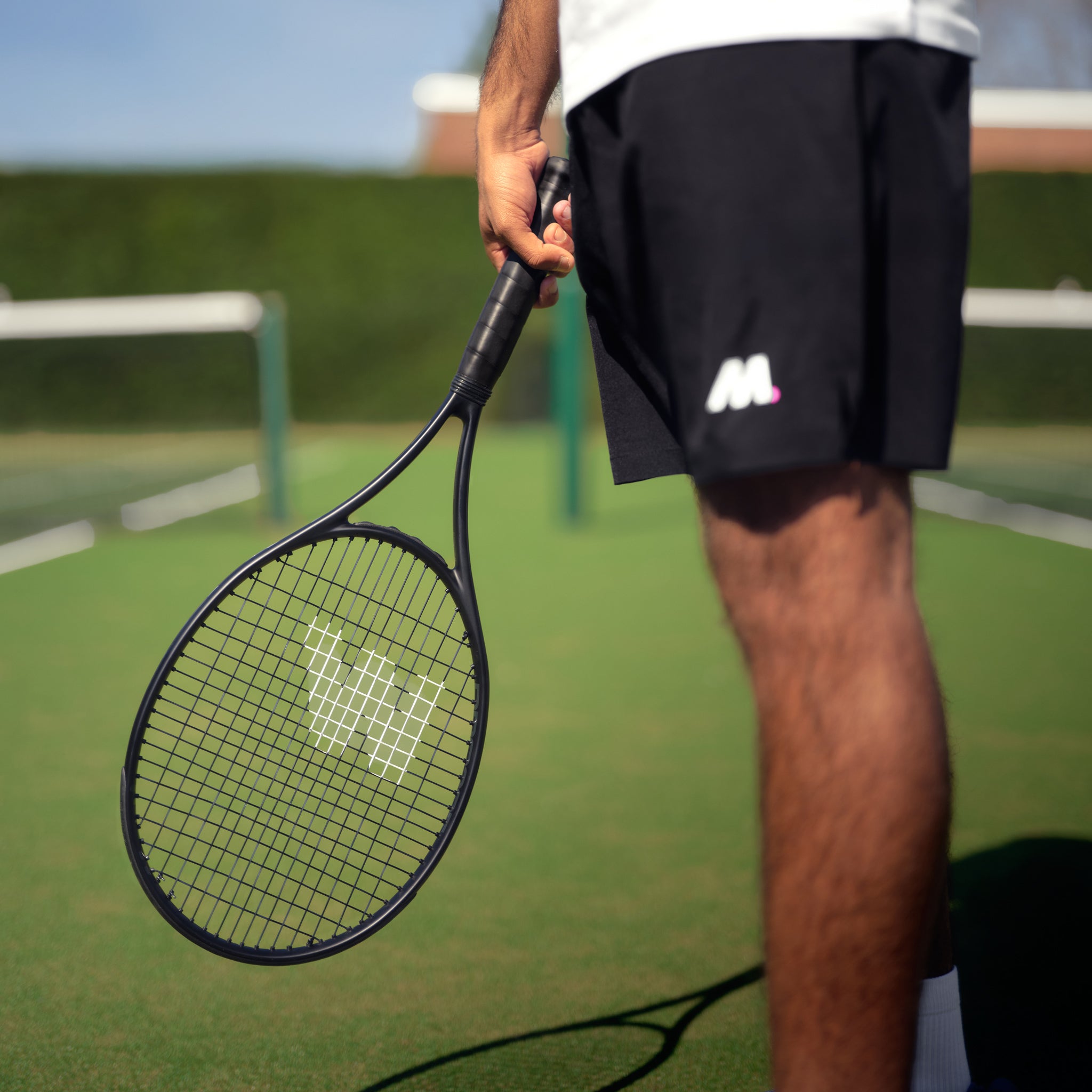






Choosing your first tennis racket can feel overwhelming. Walk into any shop and you'll face walls of equipment, each promising to transform your game. Yet the right choice isn't about the flashiest design or the most expensive model. It's about finding a good starter tennis racket that complements your developing technique whilst protecting you from injury as you learn. For newcomers stepping onto the court in 2026, understanding what truly matters in that first racket can be the difference between falling in love with the sport and packing it in after three frustrating months.
The Science Behind Beginner-Friendly Rackets
What makes a good starter tennis racket isn't marketing hype. It's physics.
Head size matters most when you're still learning to time your swing and make consistent contact. Rackets with larger heads (typically 100-110 square inches) offer a bigger 'sweet spot'-that magical zone where the ball compresses against the strings with maximum efficiency. The Lawn Tennis Association emphasises avoiding common purchasing mistakes, particularly choosing rackets that are too heavy or have heads that are too small for developing players.
Research shows that equipment choices directly impact injury risk. Studies have demonstrated that racquet string tension affects the force transmitted to your elbow joint. For beginners still building proper stroke mechanics, this connection between equipment and physical wellbeing cannot be ignored.
Weight Distribution and Control
Here's where many newcomers stumble: assuming lighter always means easier.
A good starter tennis racket typically weighs between 270-310 grams (unstrung). Too light, and you'll muscle the ball, developing poor technique and potentially straining your arm. Too heavy, and you'll tire quickly, losing form as fatigue sets in.
| Weight Range | Player Type | Key Benefit |
|---|---|---|
| 270-285g | Absolute beginners, juniors | Easier manoeuvrability, reduced fatigue |
| 285-300g | Developing adults | Balance of control and power |
| 300-310g | Athletic beginners | Stability on impact, better control |
Balance point influences how the racket feels in your hand. Head-light rackets (balance towards the handle) offer better manoeuvrability at the net, whilst head-heavy designs provide more power from the baseline. For those just starting out, a more even balance tends to be most forgiving.
String Tension and Its Impact on Your Game
Most beginners overlook strings entirely. That's a mistake.
String tension fundamentally alters how a racket performs. Lower tension (50-55 pounds) creates a trampoline effect, generating more power with less effort-perfect when you're still developing swing speed. Higher tension (56-60 pounds) offers greater control but demands more from your technique.
The relationship between strings and injury prevention has been well documented. Understanding how tennis string tension affects your play can help you avoid common pitfalls that lead to tennis elbow and shoulder strain.
- Lower tension benefits: More power, larger sweet spot, reduced shock transmission
- Higher tension characteristics: Better control, crisper feel, requires proper technique
- Beginner recommendation: Start at 52-54 pounds and adjust based on comfort
Recent research published in PLOS ONE examined how different string tensions affect racket dynamics during forehand strokes. The findings suggest that beginners benefit from moderate tensions that optimise both comfort and performance whilst their technique develops.
Grip Size: The Detail Everyone Forgets
Your grip size directly influences comfort, control, and injury risk.
Measuring your grip is straightforward: hold your dominant hand flat, fingers together. Measure from the bottom lateral crease of your palm to the tip of your ring finger. This measurement in inches corresponds roughly to your grip size.
Too small a grip forces you to squeeze harder, increasing muscle fatigue and elbow strain. Too large prevents proper wrist action and reduces feel. The guidance on tennis racket grip sizes from Mantis provides detailed measurement instructions that account for playing style preferences.
Common Grip Sizes and Fit
| Grip Size (inches) | Hand Measurement | Typical Player |
|---|---|---|
| 4 | 4-4⅛" | Smaller adults, some juniors |
| 4¼ | 4¼-4⅜" | Average adult women |
| 4⅜ | 4⅜-4½" | Average adult men |
| 4½ | 4½-4⅝" | Larger hands |
When in doubt, go slightly smaller. You can always build up grip size with an overgrip, but you cannot reduce it.
Racket Technology That Actually Matters
Modern rackets incorporate numerous technologies, but not all benefit beginners equally.
Vibration dampening helps reduce the harsh feedback transmitted through the frame on off-centre hits. For someone still learning to find the sweet spot consistently, this matters. Some manufacturers integrate dampening materials into the frame itself; others rely on small rubber inserts placed in the string bed.
Frame stiffness affects both power and comfort. Stiffer frames (RA rating above 68) deflect less on impact, transmitting more energy to the ball but also more shock to your arm. More flexible frames (RA 62-67) offer greater comfort and a softer feel-generally preferable whilst you're building technique.
The Mantis approach to racket technology prioritises engineered performance over marketing gimmicks, focusing on specifications that genuinely enhance player development.
Making an Informed Purchase Decision
Where do you actually buy a good starter tennis racket in 2026?
Specialist retailers offer the advantage of expert fitting and the ability to demo rackets before committing. Many clubs maintain a selection of trial rackets. Taking advantage of these opportunities helps you understand how different specifications feel in practice, not just on paper.
Questions to ask before buying:
- Can I demo this racket for a week?
- What's the return policy if it doesn't suit my game?
- Does the price include professional stringing?
- What string type and tension do you recommend for my level?
Price isn't always the best indicator of quality for beginners. A £180 racket designed for advanced players will likely hinder your development more than a well-specified £90 model built with newcomers in mind. The BBC's guidance on getting started with tennis reinforces this point, emphasising that appropriate equipment trumps expensive equipment.
For coaches working with beginners, establishing relationships with brands that understand the developmental journey makes a real difference. The Mantis programme for tennis coaches and clubs recognises that those shaping the next generation need access to equipment that supports proper technical development.
Understanding Regulatory Standards
Not every racket on the market is legal for competitive play.
The International Tennis Federation maintains strict equipment regulations, including specifications for racket length (maximum 29 inches for adults), hitting surface dimensions, and acceptable materials. Whilst recreational players needn't obsess over these details, understanding that standards exist helps you avoid novelty rackets that might teach poor habits incompatible with regulated play.
Key ITF Specifications for Beginners
- Maximum length: 73.7 cm (29 inches)
- Maximum width: 31.7 cm
- Hitting surface: Must be flat, with crossed strings
- Frame modifications: Only approved dampening devices permitted
These regulations exist to maintain competitive fairness, but they also ensure rackets perform in predictable ways that support skill development.
Preventing Common Beginner Injuries
Your equipment choices influence injury risk more than most realise.
Tennis elbow (lateral epicondylitis) affects countless newcomers who choose inappropriate rackets or string tensions. The SafeStrongSport Tennis Injury Prevention Handbook identifies equipment factors that contribute to overuse injuries, including excessive racket weight and overly stiff frames.
Injury-prevention checklist:
- Choose a racket weight you can control through a full training session
- String at the lower end of the manufacturer's recommended range
- Replace strings regularly (they lose tension and elasticity over time)
- Complement your equipment with proper tennis strength training
Medical research consistently demonstrates that equipment matters for injury prevention. Evidence shows that racket selection, string type, and tension all influence forces transmitted to vulnerable joints and tendons.
Finding Community and Expert Guidance
The journey doesn't end with purchasing equipment.
Connecting with experienced coaches and committed players accelerates your development far beyond what equipment alone can achieve. Finding clubs that prioritise coaching quality over social status transforms tennis from an intimidating sport into an accessible lifelong pursuit.
For readers seeking deeper insights into racket sports equipment, coaching resources, and industry developments, Racket Business offers comprehensive coverage of the tennis world. It's a useful resource for staying informed about equipment innovations, coaching methodologies, and industry trends that might affect your choices as you progress.
The Mantis community exists for exactly this purpose-supporting those who find joy in the process of improvement, not just the outcome. Whether you're a coach nurturing beginners or an adult discovering tennis later in life, the shared commitment to progress binds this community together.
Choosing a good starter tennis racket requires understanding how specifications affect both performance and injury risk, then matching those factors to your physical capabilities and learning stage. The right equipment supports your technical development whilst protecting you from common beginner injuries. At Mantis, we craft rackets for those who value progress over prestige, building gear that supports your journey from first awkward swings to confident baseline rallies. Explore how Mantis can equip your pursuit of excellence on the court.