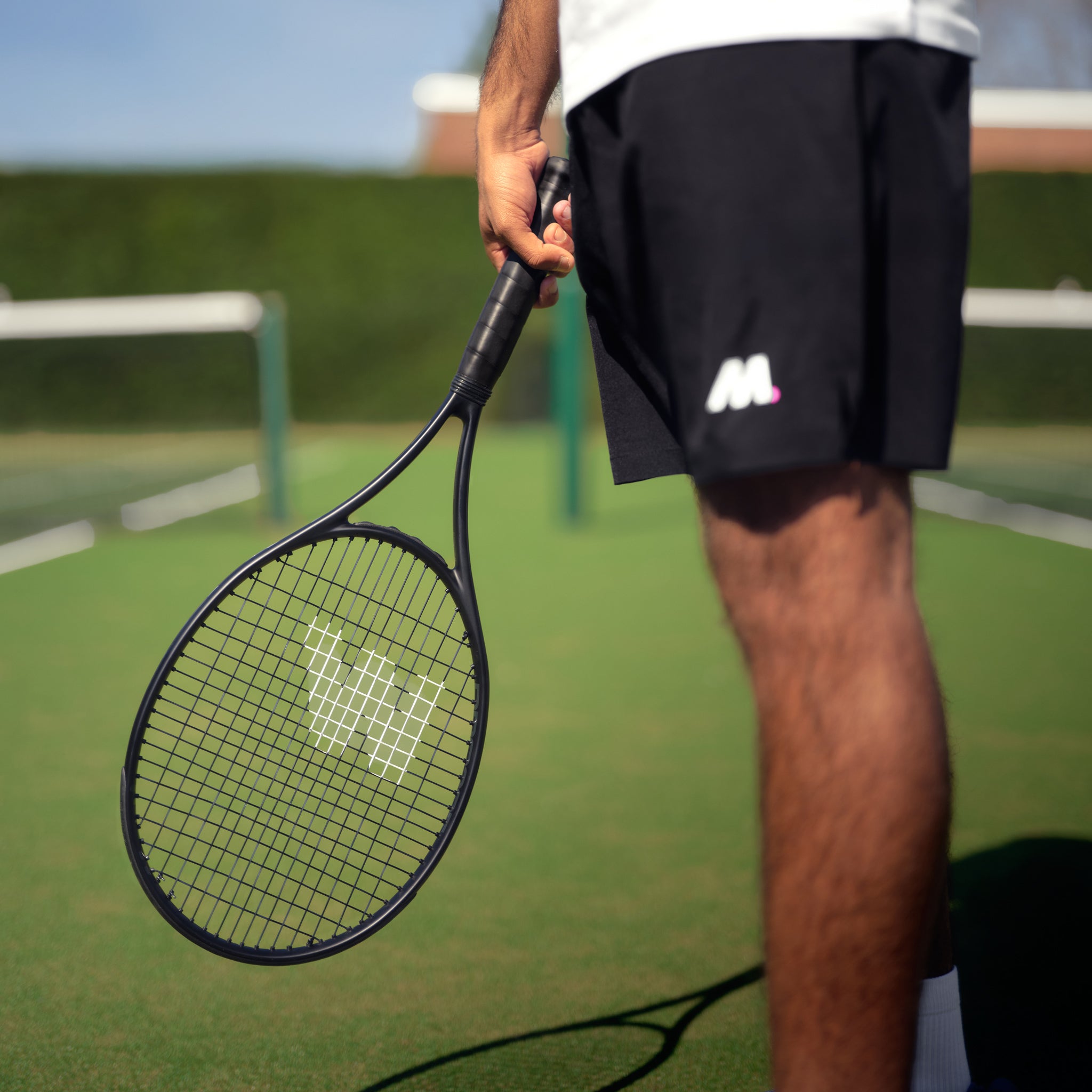
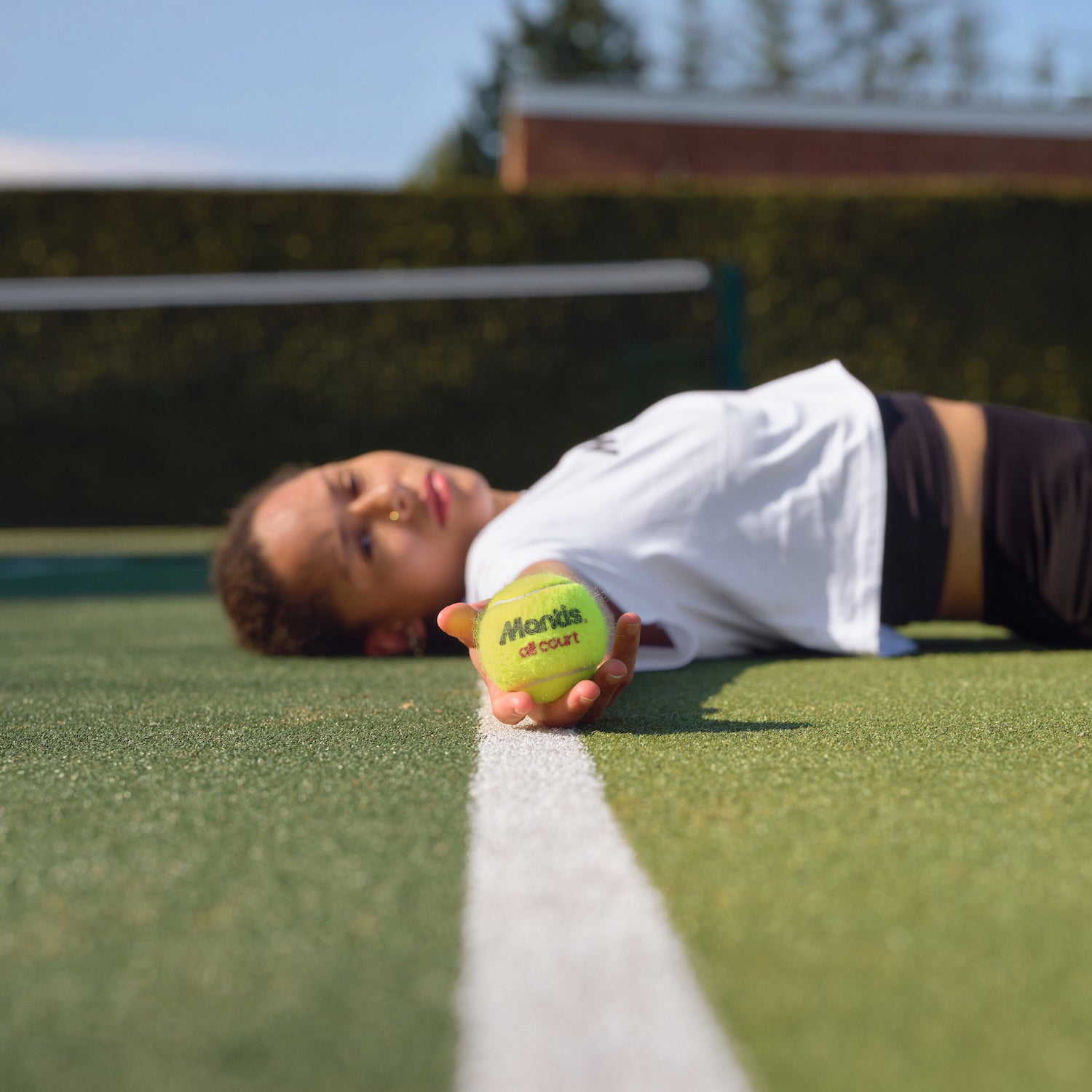






The sound of a ball striking glass walls, the strategic dance between partners, and the inclusive energy drawing players from all backgrounds-padel tennis has emerged as more than just another racket sport. It's a phenomenon reshaping how we think about accessibility, community, and the pursuit of improvement.
The Evolution of a Global Movement
Padel tennis originated in Mexico during 1969, when entrepreneur Enrique Corcuera adapted his squash court with walls, creating something entirely new. What began as a backyard experiment has transformed into a sport with over 25 million players worldwide by 2026.
The growth trajectory tells a compelling story. Spain leads with more than 20,000 courts, whilst countries like Germany, France, and the United Kingdom are experiencing exponential expansion. This isn't just recreational dabbling-professional circuits now rival traditional tennis in certain markets.
Why Players Are Making the Switch
Several factors drive padel tennis's meteoric rise:
- Lower barrier to entry: New players develop competence faster than in traditional tennis
- Built-in social dynamics: The doubles format creates instant community
- Reduced physical strain: Smaller courts and underarm serves accommodate varying fitness levels
- Strategic depth: Wall play adds tactical complexity that keeps veterans engaged
Padel Tennis Court Dynamics and Equipment Fundamentals
Understanding the playing environment separates casual participants from dedicated improvers. A padel tennis court measures 10 metres wide by 20 metres long-roughly one-third the size of a tennis court. Glass and mesh walls surround the playing area, fundamentally altering shot selection and positioning.
| Feature | Specification | Impact on Play |
|---|---|---|
| Court Size | 10m x 20m | Faster rallies, more reactions |
| Wall Material | Glass rear, mesh sides | Strategic rebound angles |
| Net Height | 88cm centre, 92cm ends | Lower clearance than tennis |
| Ball Pressure | Slightly lower than tennis | Controlled pace, extended rallies |
The racket itself differs dramatically from traditional tennis equipment. Padel rackets feature solid faces with perforations rather than strings, typically weighing between 340-370 grams. This construction demands different swing mechanics-compact strokes replace the long, flowing movements tennis players know.
For those familiar with understanding tennis racket specifications, the transition requires recalibrating expectations around power generation and control.
Technical Skills That Define Excellence
Mastering padel tennis demands specific competencies that reward patience and deliberate practice. The serve, executed underarm below waist height, prioritises placement over power. This levels the playing field initially but creates surprising depth for those who study spin variations and directional control.
Wall play distinguishes competent players from exceptional ones. Learning to read rebounds, anticipate angles, and position yourself for opponents' wall shots requires hundreds of hours. The best players treat walls as partners, using them to construct points rather than merely reacting to deflections.
Core Techniques to Develop
- The bandeja: An overhead shot unique to padel, blending control with positioning
- The víbora: A topspin overhead that drives opponents back
- Exit shots: Playing balls that rebound off the back wall
- Lob management: Using height to reset points or attack
According to comprehensive guides on padel rules and gameplay, understanding these fundamentals separates recreational enjoyment from competitive progression. The sport rewards those who analyse, adapt, and obsess over incremental improvements.
The Community Dimension
What makes padel tennis particularly compelling for dedicated athletes is its inherent social architecture. Unlike tennis, where singles play dominates amateur levels, padel tennis exists almost exclusively as doubles. This creates accountability, communication requirements, and shared experiences that mirror the coach-player relationships Mantis champions.
The format naturally builds mentorship opportunities. Experienced players partner with newcomers, transferring knowledge through direct collaboration rather than observation. Club environments foster this culture, with regular players developing partnerships that extend beyond courts.
For tennis coaches exploring customised tennis and padel apparel to build club identity, padel tennis represents an opportunity to expand programming whilst maintaining quality-focused communities.
Equipment Considerations for the Serious Player
Choosing padel tennis gear mirrors the precision-driven approach that characterises all racket sports at high levels. Racket selection involves understanding three primary shapes:
- Round: Maximum control, ideal for beginners and defensive players
- Teardrop: Balanced power and control for intermediate progression
- Diamond: Power-focused geometry for aggressive, experienced players
Weight distribution matters significantly. Head-heavy rackets generate power but demand superior technique to control. Head-light options offer manoeuvrability, suiting players who rely on positioning and placement.
Ball selection often receives insufficient attention. Padel tennis balls resemble tennis balls but feature lower internal pressure, typically ranging from 4.6 to 5.2 PSI compared to tennis's 14 PSI. This affects bounce characteristics, rally pace, and durability across different surfaces.
Those exploring tennis racket materials will find familiar carbon fibre and fibreglass constructions in padel equipment, though the solid face construction creates different vibration profiles and feedback.
Competitive Structure and Governance
The organisational landscape of padel tennis has matured significantly. The International Padel Federation and professional governing bodies oversee standardised rules, ranking systems, and development programmes globally.
Professional tours now offer substantial prize money, with the World Padel Tour and Premier Padel attracting top athletes. This professionalisation trickles down, raising coaching standards and equipment quality across all levels.
Regional federations, including the French Tennis Federation's padel division, provide frameworks for club development, tournament organisation, and coaching certification. This infrastructure supports the dedicated amateur-the player who seeks legitimate progression paths without necessarily pursuing professional status.
Industry professionals tracking trends should explore Racket Business, a comprehensive resource covering commercial developments, equipment innovation, and business strategies across all racket sports, providing valuable insights for retailers, coaches, and club operators navigating this evolving landscape.
Training Philosophy and Progress Metrics
Padel tennis rewards the grind differently than tennis. The shorter court and constant partner interaction create more touches per session, accelerating skill acquisition through volume. Yet this accessibility can mask depth-reaching intermediate levels happens quickly, but genuine mastery requires the same obsessive dedication any racket sport demands.
Effective training balances technical refinement with tactical understanding. Wall work drills develop touch and spatial awareness. Partner communication exercises build the non-verbal coordination that separates adequate teams from exceptional ones. Video analysis reveals positioning mistakes that feel invisible during play.
For coaches and dedicated players, establishing clear progression markers prevents plateaus. Track first-serve placement percentages, winning percentages at net, and unforced errors from specific shot types. This data-driven approach aligns with the mentality that defines serious athletic pursuit.
Padel tennis represents more than a trend-it's a fundamental shift in how racket sports engage communities whilst maintaining competitive depth. Whether you're a tennis coach exploring new programming opportunities or a dedicated player seeking fresh challenges, the sport rewards those who approach it with intention and commitment. At Mantis, we understand that every new discipline, every rally, and every moment of improvement contributes to the lifelong journey that defines true athletes-and we're here to support that pursuit with the quality and craftsmanship you demand.