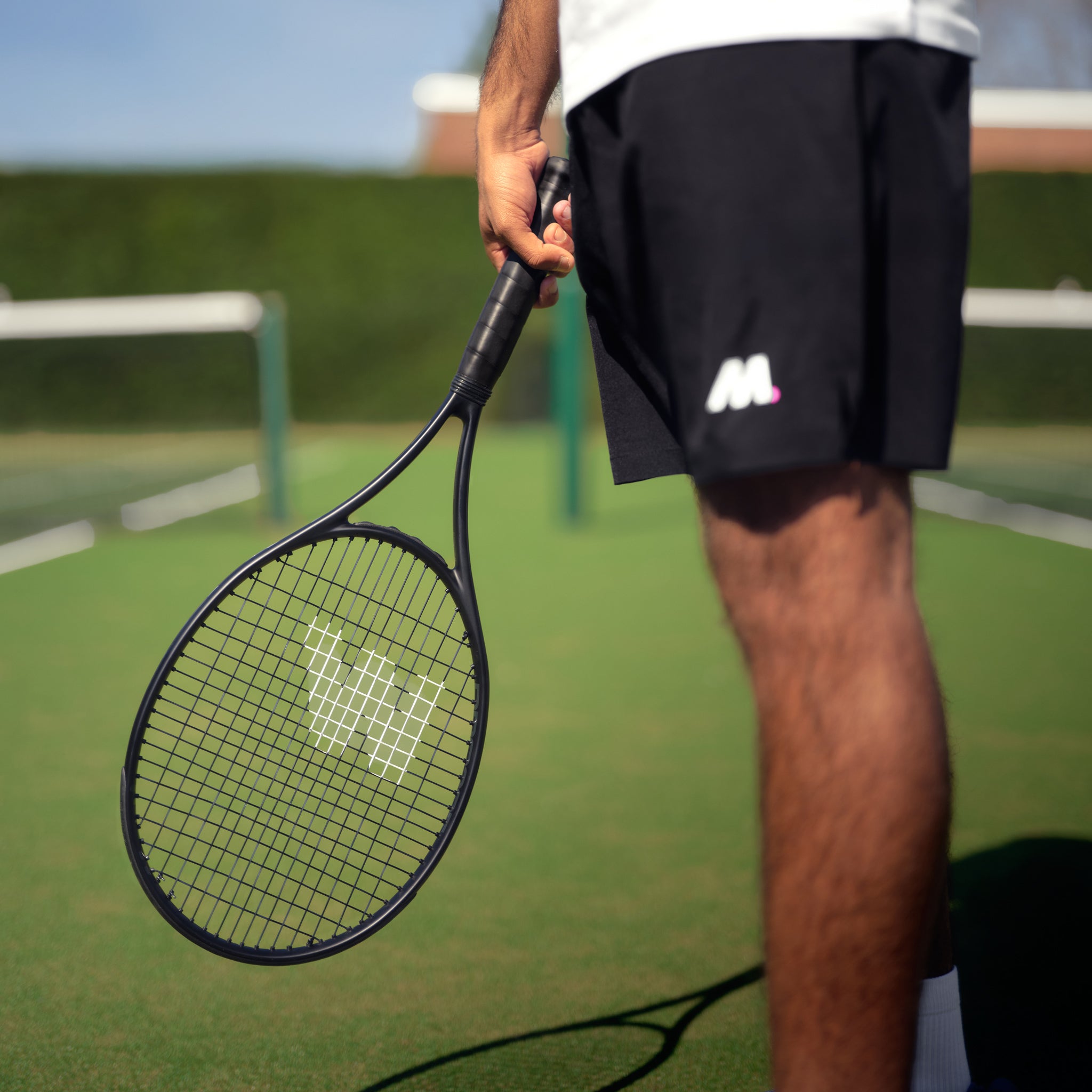







The sound of a crisp volley at the net represents one of tennis's most thrilling moments. Yet this attacking style, once dominant on grass courts and fast surfaces, has become increasingly rare in modern tennis. The serve and volley approach-where players rush the net immediately after serving-requires courage, precision, and commitment. For those dedicated to mastering the complete game, understanding this tactical approach remains vital, even if the modern game has shifted towards baseline power.
The Golden Era of Net Rushing
During the 1980s and 1990s, serve and volley dominated tennis, particularly on grass and faster hard courts. Players like Stefan Edberg, Pete Sampras, and Martina Navratilova built entire careers around this aggressive strategy.
What made this approach so formidable?
- Immediate pressure: Opponents had minimal time to construct passing shots
- Shortened points: Net rushers controlled rallies before baseline grinders could settle
- Psychological dominance: The sight of an opponent charging forward often forced errors
The strategy relied on a potent combination: a powerful serve to push opponents behind the baseline, followed by confident movement towards the net. The first volley didn't need to be a winner-it simply needed to maintain forward momentum.
Equipment That Enabled Aggression
The racquets of that era played a crucial role. Smaller head sizes and less forgiving string patterns rewarded technical precision rather than raw power. Players needed exceptional timing and skill to execute volleys consistently.
Understanding racquet specifications remains crucial for anyone looking to develop an all-court game. Modern technology offers options that can facilitate net play without sacrificing baseline capability.
Why the Tactic Faded From View
Several factors contributed to the decline of serve and volley in professional tennis. The transformation happened gradually but decisively.
| Factor | Impact on Serve and Volley |
|---|---|
| Slower court surfaces | Extended rallies favoured baseline play |
| Racquet technology | Larger sweet spots enabled powerful passing shots |
| String advancements | Topspin became easier to generate from defensive positions |
| Ball specifications | Heavier, slower balls reduced serve effectiveness |
The relationship between court surfaces and playing styles cannot be overstated. When tournaments began slowing down grass courts at Wimbledon and replacing fast hard courts with medium-paced alternatives, the serve and volley lost its natural habitat.
Modern strings allow players to generate extreme topspin from seemingly impossible defensive positions. Baseline players can now hit dipping, angled passing shots that would have been technically impossible three decades ago.
Technical Foundations for Modern Net Play
Despite its reduced prevalence at the professional level, serve and volley remains a valuable weapon for club players and coaches. Instructional resources demonstrate that the fundamentals still hold immense value.
Developing a reliable approach requires several technical components:
- Explosive serve technique: Power without accuracy creates vulnerable net positions
- Split-step timing: The foundation of all successful volleys
- Forward momentum control: Moving efficiently whilst maintaining balance
- Anticipation skills: Reading opponents' body language and court positioning
- Confident volley execution: Punching through the ball with firm wrists
The serve itself demands particular attention. Without a serve that consistently pushes opponents off balance, rushing the net becomes suicide rather than strategy.
The First Volley Philosophy
Most amateur players misunderstand the serve and volley approach. They assume every net approach must produce an immediate winner. This misconception leads to overhitting and unforced errors.
The reality? The first volley primarily serves to establish net dominance. It should land deep, preferably to a corner, forcing opponents into uncomfortable positions for their passing attempts. The second volley typically finishes the point.
This patient yet aggressive mindset separates effective net rushers from reckless ones. We see this understanding develop through quality coaching and dedicated practice.
Strategic Applications in Today's Game
While baseline tennis dominates professional circuits, club players can exploit serve and volley tactics effectively. Many recreational players lack the consistent passing shot accuracy that professionals possess.
When to employ serve and volley in 2026:
- Against opponents with weak returns or limited topspin capability
- On faster surfaces, particularly grass and certain hard courts
- In doubles, where net coverage creates geometric advantages
- To disrupt rhythm against baseline-oriented players
- Late in matches when opponents show physical fatigue
Understanding different court surfaces helps players identify optimal moments for net rushing. Grass courts still favour this approach, whilst heavy clay courts punish it mercilessly.
Training Methods for Net Confidence
Building serve and volley competence requires structured practice. Random net approaches during casual matches won't develop the necessary muscle memory and decision-making skills.
Consider these focused drills:
- Serve plus one volley: Practise serving and hitting a single controlled volley to targets
- Approach shot transitions: Work on coming forward off short balls with proper footwork
- Reaction volleys: Have partners feed balls rapidly to improve reflexes
- Pattern recognition: Study where opponents typically hit passing shots
The footwork element deserves particular emphasis. Moving forward whilst maintaining balance and readiness requires hundreds of repetitions before becoming instinctive.
Physical conditioning also matters. Net rushing demands explosive movement and quick recovery between points. This style requires different fitness attributes compared to baseline grinding.
Equipment Considerations for Net Players
Choosing appropriate gear can significantly impact serve and volley effectiveness. The relationship between racquet characteristics and playing style matters more than many players realise.
| Specification | Ideal for Serve and Volley |
|---|---|
| Head size | 95-100 square inches for control |
| Weight | 320-340 grams for stability at net |
| Balance | Head-light for manoeuvrability |
| String pattern | 16x19 for blend of control and spin |
The string setup deserves careful attention. Proper stringing affects both serve power and volley feel. Many net players prefer slightly higher tensions for the crisp feedback needed during split-second volley decisions.
Ball selection also influences success rates. Quality tennis balls that maintain consistent flight characteristics help players develop reliable timing patterns.
Psychological Advantages of Attacking Tennis
Beyond technical considerations, serve and volley offers significant mental benefits. Taking the initiative forces opponents into reactive mode, creating psychological pressure that compounds over the course of a match.
Players who exclusively defend often struggle when facing aggressive net approaches. The unfamiliarity alone can disrupt their rhythm and confidence. This advantage increases at club level, where many players spend countless hours perfecting groundstrokes but minimal time developing passing shots under pressure.
The commitment required to charge the net also builds mental toughness. There's nowhere to hide at the service line-players must fully commit to each approach. This decisive mindset translates to other areas of performance, creating more assertive, confident competitors overall.
Building a Modern All-Court Game
Rather than adopting serve and volley as an exclusive strategy, today's dedicated players benefit from incorporating it selectively. The ability to finish points at the net complements baseline skills, creating a more complete and unpredictable game style.
We champion this comprehensive approach to tennis development. The sport's beauty lies in its strategic diversity, and players who limit themselves to one dimension miss opportunities for growth and enjoyment.
Developing comfort at the net requires patience and persistence. Early attempts will likely result in errors and frustration. However, those willing to embrace the learning process discover a rewarding dimension of tennis that enriches their entire game.
The serve and volley remains a powerful tactical weapon for players committed to developing complete games. Whilst professional tennis has shifted towards baseline dominance, club players and coaches can still benefit enormously from mastering net play fundamentals. At Mantis, we craft precision racquets and gear for those who embrace the full spectrum of tennis-from powerful serves to delicate volleys. Our equipment supports players dedicated to continuous improvement, whether you're perfecting baseline consistency or rediscovering the lost art of attacking tennis.