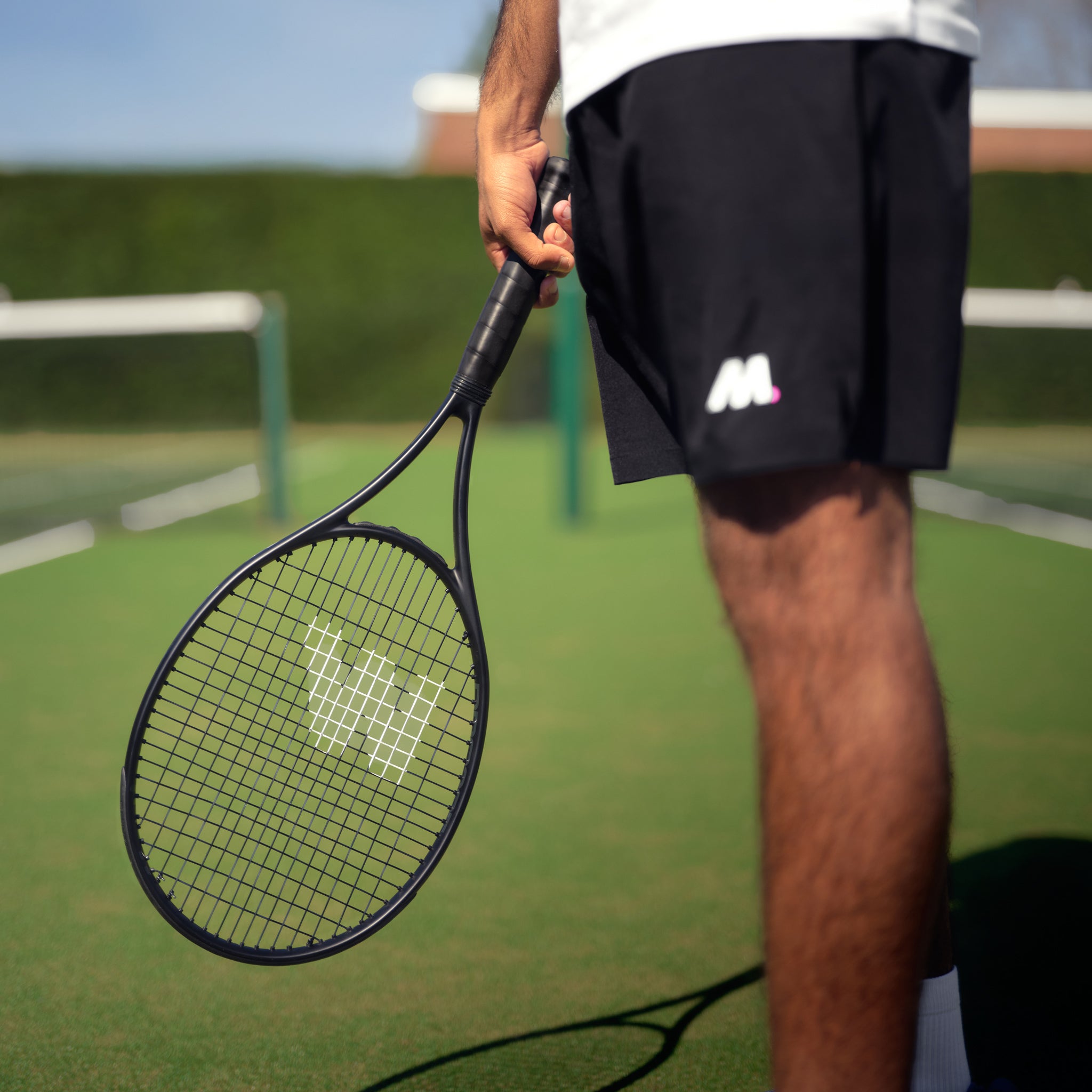







Finding the tennis overgrip best suited to your game isn't about chasing pro endorsements or flashy packaging. For the dedicated amateur grinding through club sessions and the coach working with players hour after hour, it's about tactile feedback, sweat management, and the confidence that comes from consistent grip feel. The difference between a sticky overgrip that turns slippery mid-rally and one that holds firm can transform your control, whilst research shows that grip force directly influences wrist position sense and motor control, affecting both accuracy and injury prevention. In 2026, choosing the right overgrip means understanding the interplay between materials, playing conditions, and your individual physiology.
Why Overgrip Performance Matters More Than You Think
Most players replace their overgrip when it looks worn or feels slick. But the science tells a deeper story.
Recent research into grip pressure measurement in racket sports reveals that even small changes in tactile feedback alter the force athletes apply to their handle-and consequently, the power and spin they generate. When your overgrip degrades, you unconsciously compensate by gripping harder, which fatigues your forearm faster and can trigger tennis elbow.
This is why finding the tennis overgrip best matched to your sweat rate, stroke style, and climate isn't a luxury-it's fundamental to sustainable improvement. For players committed to the long game, the right overgrip supports biomechanical efficiency across hundreds of practice hours.
The Material Science Behind Modern Overgrips
Contemporary overgrips rely on engineered polymers-primarily polyurethane films, elastomeric foams, and tackifying agents-each designed to balance durability, moisture absorption, and surface friction. According to a comprehensive review of polymers in sports equipment, polyurethane's molecular structure allows manufacturers to tune thickness, elasticity, and surface texture with precision.
Key material properties to understand:
- Tackiness: Created by micro-textured surfaces or soft tackifiers that increase friction
- Absorbency: Foam layers or perforated films that wick sweat away from your palm
- Durability: Cross-linked polymers that resist tearing and maintain grip over extended use
- Thickness: Typically 0.5–0.75mm, affecting racket handle size and vibration dampening
The tennis overgrip best for humid summer sessions will prioritise absorbency over pure tack, whilst winter indoor play might demand a thinner, stickier film that doesn't bulk the handle excessively.
How to Match Overgrip Type to Playing Conditions
Temperature, humidity, and court surface dramatically alter overgrip performance. A grip that feels perfect indoors can become a liability outdoors.
| Condition | Priority Property | Recommended Type |
|---|---|---|
| Hot & humid | Absorbency | Perforated foam overgrips |
| Cool & dry | Tackiness | Smooth polyurethane film |
| Frequent washing | Durability | Reinforced elastomer |
| Heavy topspin | Extra tack | Textured tacky overgrips |
When temperatures rise and sweat production increases, moisture management becomes paramount. Many club players in the UK experience this during the brief summer heatwaves-suddenly, the overgrip that worked flawlessly in March feels like wet soap in July.
For coaches running multi-hour sessions with coaching equipment in hand, switching to an ultra-absorbent overgrip during warmer months prevents mid-lesson grip adjustments and maintains demonstration quality.
Installation Technique: Why Wrapping Matters
Even the tennis overgrip best engineered for your needs will fail if poorly installed. Tension, overlap, and starting angle all affect final feel.
Professional installation steps:
- Start at the base of the handle (butt cap) with a slight diagonal
- Maintain consistent tension (firm but not stretched tight)
- Overlap by approximately 3–4mm per wrap
- Finish near the top of the handle, securing with adhesive strip
- Trim excess cleanly with sharp scissors or blade
The LTA's practical guide to understanding tennis racket grip sizes and overgrips offers visual step-by-step imagery that's particularly helpful for players wrapping their first overgrip. For stringers and coaches, the GRSA's comprehensive A–Z of Stringing handbook includes professional-level technique notes and troubleshooting.
Improper wrapping creates bumps, uneven thickness, and premature wear-negating the investment in premium materials.
Replacement Frequency and Performance Degradation
How often should you replace your overgrip? The answer depends on playing volume, sweat production, and performance standards.
For club players training three to four times weekly, the typical lifespan is one to two weeks. High-volume coaches might replace every few days. Beyond visible wear, tactile feedback degrades as tackifiers break down and foam compresses.
Signs Your Overgrip Needs Replacing
- Loss of tack: Grip feels slippery even when dry
- Visible smoothing: Surface texture worn flat
- Odour retention: Bacteria accumulation despite washing
- Colour fading: UV and sweat degradation
- Bunching or slipping: Overgrip shifts during play
A useful resource for deeper technical insights across all aspects of racket sports is Racket Business, which provides industry news, equipment trends, and expert analysis valuable for both players and coaches staying current with developments in racket technology and accessories.
Choosing Between Tacky and Absorbent Overgrips
This is the most common decision point-and there's no universal tennis overgrip best for all players.
Tacky overgrips prioritise friction through soft, slightly sticky surfaces. They excel in dry conditions and appeal to players who prefer a locked-in feel. The trade-off? They often become slick when wet and may require more frequent replacement.
Absorbent overgrips use perforated foam or open-cell structures to wick moisture. Players with heavy perspiration or those competing in humid climates find these indispensable. However, they typically offer less initial tack and can feel slightly thicker.
| Feature | Tacky Overgrips | Absorbent Overgrips |
|---|---|---|
| Dry grip | Excellent | Good |
| Wet performance | Poor to fair | Excellent |
| Thickness | Thinner (0.5mm) | Thicker (0.6–0.75mm) |
| Durability | Moderate | Good to excellent |
| Ideal user | Low-sweat players | High-sweat players |
Some manufacturers now offer hybrid constructions-a tacky surface layer bonded to an absorbent foam backing-attempting to capture both benefits. For serious players refining technique with adult tennis rackets, experimenting with different overgrip types across practice sessions reveals personal preferences that statistics alone can't predict.
The Role of Thickness in Racket Customisation
Overgrip thickness isn't merely about comfort-it's a tool for fine-tuning racket handle size.
Adding a 0.6mm overgrip increases grip size by approximately one-eighth of an inch. Players between standard grip sizes often use overgrips to dial in the perfect diameter. Thicker overgrips also dampen vibration slightly, which some players find beneficial for arm comfort during extended rallies.
However, excessively thick wraps (multiple layers or ultra-padded overgrips) can reduce tactile feedback and slow hand speed on volleys. The tennis overgrip best for your racket balances size adjustment with sensory precision.
Testing and Selection Methodology
Independent performance testing helps cut through marketing claims. When evaluating overgrip specifications, understanding what lab and field tests actually measure provides clarity.
Key metrics to consider:
- Initial tack coefficient (measured friction against standardised surface)
- Moisture absorption rate (grams of water absorbed per gram of material)
- Durability cycles (simulated play hours before performance drop)
- Thickness consistency (measured variance across the wrap)
For players exploring equipment upgrades-whether trying Pro Series rackets or refining string setups with tennis strings-matching overgrip properties to your broader equipment strategy ensures coherent performance.
The best approach? Purchase several different overgrip types, install them on identical rackets, and compare feel across identical practice sessions. Document your impressions immediately after play, noting tack retention, moisture management, and overall comfort. This empirical method reveals personal preferences no review can predict.
The tennis overgrip best suited to your game balances material science, playing conditions, and personal biomechanics-not brand hype or pro endorsements. For the dedicated amateur and coach alike, investing time to understand overgrip properties and replacement discipline pays dividends in consistency and injury prevention. At Mantis, we craft precision gear for players who find beauty in the grind and understand that progress lives in the details. Explore our complete range and discover equipment engineered for those committed to the lifelong pursuit of improvement.
