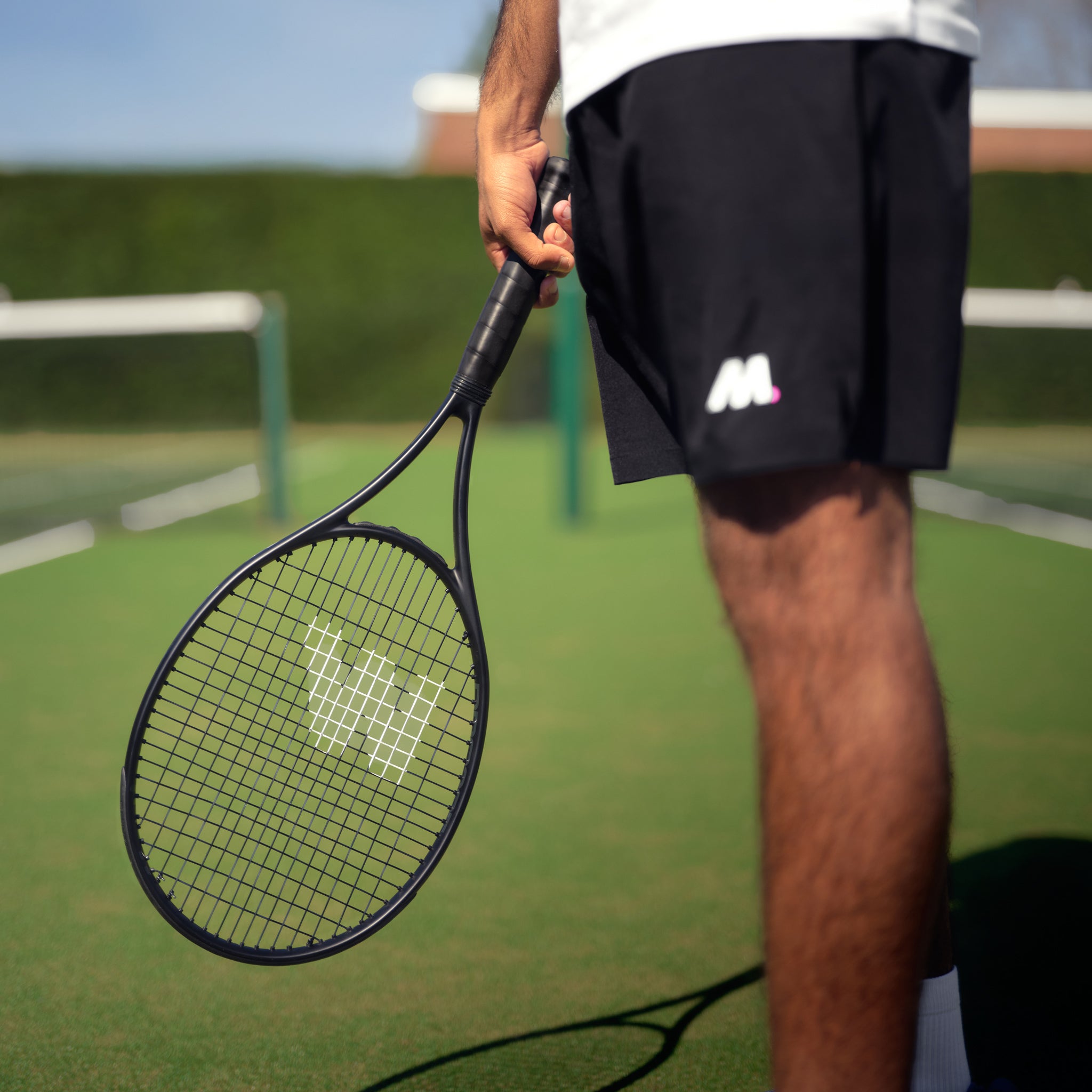







Tennis is evolving fast, and players are finding that generic fitness routines no longer cut it. The demands of the modern game call for specialised tennis workouts that target every aspect of performance, from explosive movement to mental sharpness.
Mantis aims to help every tennis enthusiast reach new heights by unveiling nine essential tennis workouts designed to boost agility, build strength, improve endurance, enhance flexibility, and sharpen on-court skills. Each routine is carefully chosen to address the unique challenges athletes will face.
Are you ready to transform your training, outpace the competition, and unlock your full potential? Dive in and discover the key workouts that can make all the difference on court.
Why Tennis-Specific Training Matters
Modern tennis places immense demands on both body and mind. Players must master quick direction changes, explosive movements, and maintain razor-sharp focus for hours. This is where tennis workouts, designed specifically for the sport, become essential.
Research consistently shows that tennis workouts targeting agility, power, and endurance outperform generic routines. According to studies, players who follow sport-specific programmes experience up to 30% faster recovery times and greater match stamina. In fact, a recent systematic review of neuromuscular training found significant improvements in service velocity, agility, and muscular strength.
Tailored tennis workouts also help reduce injury risk and extend athletic careers. Many professionals, from Novak Djokovic to Iga Swiatek, credit their success to highly customised fitness regimes that focus on both performance and longevity. Regular agility and strength training can make the difference between a brief season and years at the top.
The trend is clear: holistic training is now the standard, blending physical, technical, and mental elements into a unified approach. Incorporating tennis workouts into your routine means not just working harder, but working smarter. It is vital to assess progress regularly and adapt workouts to evolving goals.
Embrace tennis workouts that are specific, evidence-based, and adaptable. By doing so, players of all levels can unlock new performance heights and enjoy the game for years to come.
9 Essential Tennis Workouts to Boost Your Game
Looking to level up your tennis workouts for 2025? Mantis has pinpointed nine essential routines that target every facet of your game. These drills are designed to build agility, strength, stamina, flexibility, and mental resilience, giving you the edge when it counts most.
1. Agility Ladder Drills
Agility ladder drills are a core part of modern tennis workouts. They sharpen foot speed, coordination, and help players cover the court with lightning-fast reactions.
Try mixing in-and-out steps, lateral shuffles, or zig-zag patterns. Aim for 3–4 sessions per week, focusing on quick, crisp movements.
Studies reveal that agility training can cut movement errors by 21 percent, so it’s no wonder the best players make this a staple.
2. Plyometric Jump Training
Explosive power is crucial for serves and volleys. Plyometric jump training, such as box jumps, squat jumps, and lateral bounds, boosts vertical leap and lower body strength.
To protect joints, always warm up and land softly. Integrating plyometrics can translate directly to faster, more forceful shots.
A recent randomized controlled study shows even a single session can significantly improve muscle strength and serve velocity.
3. Resistance Band Workouts
Resistance bands are a versatile tool in tennis workouts. They strengthen the core, shoulders, and stabilising muscles while reducing injury risk.
Exercises like banded torso rotations, external shoulder rotations, and resisted lunges are perfect for building racquet control. Gradually increase resistance for ongoing progress.
Bands are travel-friendly, making them a smart addition to any player’s kit.
4. Interval Sprint Sessions
Short, sharp sprints with active recovery elevate cardiovascular endurance and help players recover quickly between points.
For example, try 10 x 20-metre sprints with 30-second rests. These sessions mimic real match demands, improving stamina and speed.
Regular interval training ensures your tennis workouts always push your limits.
5. Medicine Ball Rotational Throws
Medicine ball throws develop the rotational power crucial for strong groundstrokes and serves.
Mix in standing throws, overhead slams, and side throws to target different muscle groups. Integrate these into your weekly tennis workouts for balanced development.
Greater rotational strength often means more shot speed and spin.
6. On-Court Shadow Drills
Shadow drills let you rehearse match scenarios without a ball, focusing on footwork and positioning.
Practise shadow forehands, backhands, and serve motions. This builds muscle memory and sharpens tactical awareness.
They’re a simple yet highly effective part of any tennis workouts routine.
7. Flexibility and Mobility Circuits
Prevent injuries and move freely with flexibility circuits. Dynamic lunges, hip openers, and shoulder mobility drills keep your body in peak condition.
Post-workout stretching is vital for recovery. Players who focus on flexibility report 40 percent fewer muscle strains.
8. Core Stability Routines
A strong core is the foundation of every movement on court. Planks, Russian twists, and single-leg bridges are essentials in tennis workouts.
Progress from basic to advanced moves as your strength grows. A solid core supports balance and power in every shot.
9. Mental Conditioning and Visualisation
The mental side of tennis is just as important as the physical. Guided imagery, breathing exercises, and self-talk routines help sharpen focus and build confidence.
Top players rely on mental drills to manage stress and stay composed. Regular mental training can tip close matches in your favour.
Integrating Workouts into Your Weekly Tennis Routine
Building a balanced weekly routine is key for anyone serious about maximising the benefits of tennis workouts. Mantis recommends blending on-court drills with targeted off-court fitness to ensure all aspects of your game develop in harmony.
A typical week might look like this:
| Day | Focus |
|---|---|
| Monday | Agility drills, on-court skills |
| Tuesday | Plyometric and resistance training |
| Wednesday | On-court practice, flexibility session |
| Thursday | Interval sprints, core stability |
| Friday | Medicine ball throws, mental conditioning |
| Saturday | Match play or shadow drills |
| Sunday | Active recovery, stretching |
Start with two to three sessions of tennis workouts each week, gradually increasing frequency as your fitness improves. Always listen to your body and adjust intensity to avoid overtraining.
Rest and active recovery are just as important as training. These help your muscles repair and your mind recharge, setting you up for steady progress. Adapt your tennis workouts based on your age, current skill level, and competition goals. For young players, focus on skill and agility, while experienced athletes may emphasise strength and strategy.
Track your improvement by setting measurable goals and using a training log. This keeps you motivated and ensures your routine evolves as you grow. Remember, consistency is the secret ingredient that turns tennis workouts into real on-court results.
Essential Equipment and Preparation Tips
Every successful tennis journey starts with the right equipment. For effective tennis workouts, players need quality racquets, durable tennis balls, supportive footwear, resistance bands, and a sturdy medicine ball.
Selecting the right racket for your training style and skill level can make a big difference. Mantis recommends checking out this guide on Choosing the Right Tennis Racket to match your gear with your tennis workouts.
Always prioritise a thorough warm-up and cool-down to minimise injury risk. Staying hydrated and following basic nutrition guidelines will keep your energy levels high. For more in-depth advice on gear and preparation, visit racketbusiness.com.
Staying Motivated and Tracking Progress
Setting clear, achievable goals is key to getting the most out of tennis workouts. Start by noting specific targets, like improving serve speed or boosting match stamina.
Use training logs or digital tools to monitor your progress. Regular tracking helps you spot trends and see where adjustments are needed. For example, reviewing your Understanding Tennis Racket Specifications can help tailor your equipment to match your evolving workout needs.
Join a tennis community or team up with a workout partner. Sharing goals and celebrating milestones together keeps motivation high. Consistent feedback and honest self-reflection ensure long-term improvement.
If you’re ready to turn these nine essential workouts into real progress on the court, you’re not alone. We all know improvement doesn’t come overnight—it’s those early mornings, late nights, and gritty sessions that make the difference. Whether you’re chasing your next win or just want to feel stronger and sharper each week, it helps to have the right tools and a community that gets it. That’s exactly why Mantis is here for committed amateurs—to support tennis lovers like us who are obsessed with the journey, not just the result.