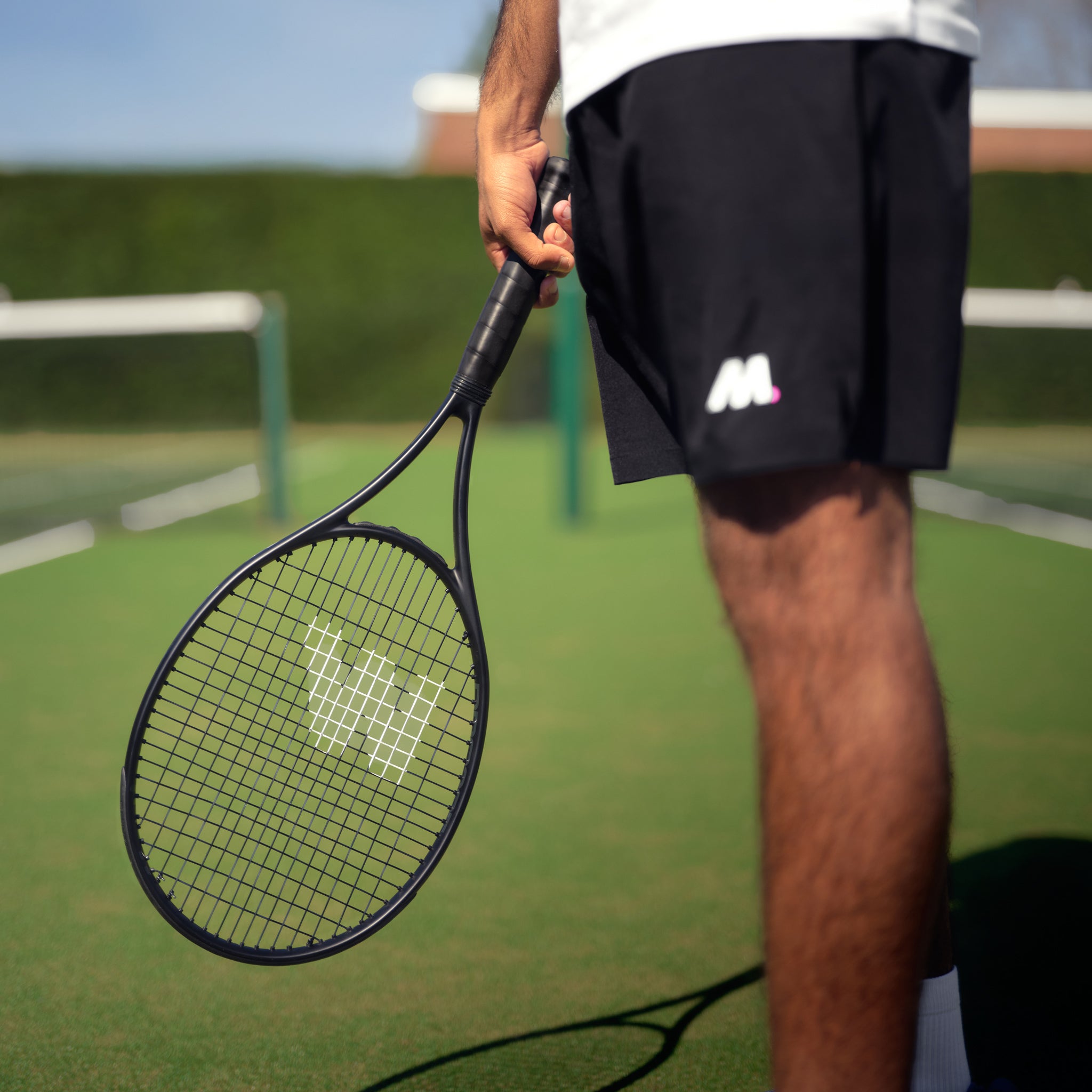
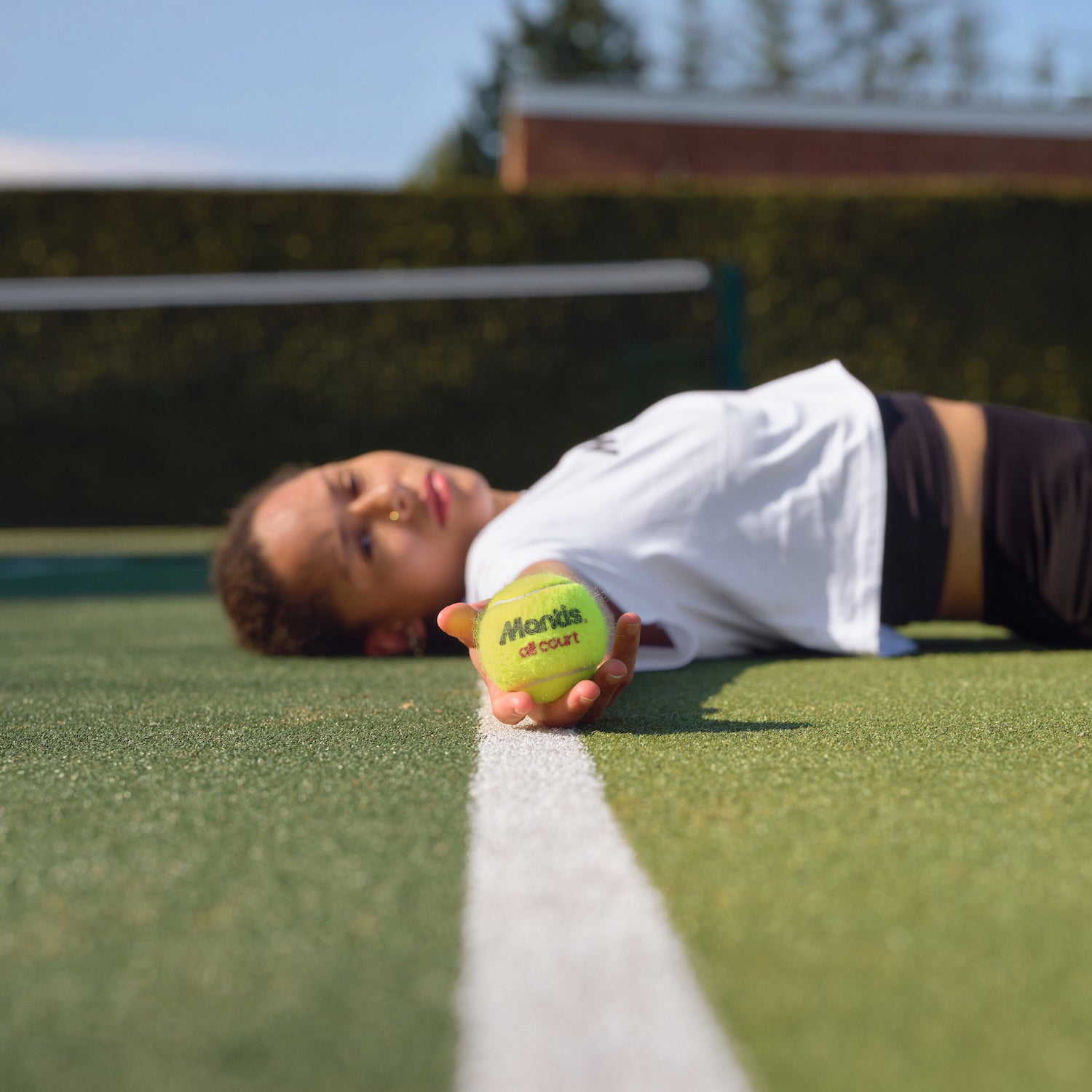






The world of tennis is evolving faster than ever, with new technologies and smarter techniques transforming how players train. In 2025, the right tennis training equipment can be the difference between stagnation and real progress.
Are you struggling to choose gear that fits your goals, or unsure which tools actually boost performance? Mantis is here to help with nine essential tips that unlock the full potential of your tennis training equipment. From racquet customisation and ball selection to tech integration and maintenance, these insights are designed for players, coaches, and enthusiasts eager to get ahead. Get ready to elevate your game with practical advice that makes every session count.
The Importance of Choosing the Right Tennis Training Equipment
Selecting the right tennis training equipment is more than a matter of preference, it can be the difference between steady progress and frustrating setbacks. Equipment shapes every aspect of a player's journey, influencing development, consistency, and even enjoyment of the sport.
The distinction between training equipment and match gear is crucial. Training gear often features specialised balls, lighter racquets, or aids designed for skill-building, while match equipment is optimised for performance under pressure. Here’s a quick comparison:
| Equipment Type | Purpose | Example Use |
|---|---|---|
| Training Gear | Skill development | Rebound nets, pressureless balls |
| Match Equipment | Competitive play | Tournament racquets, pressurised balls |
Using appropriate tennis training equipment supports technique, endurance, and power goals. Studies show that proper equipment can reduce injury risk by up to 30 percent, making smart choices essential for every player.
Consider how juniors might need lighter racquets for control, while adults require tailored string tension for power. This adaptability means equipment can benefit all skill levels, from beginners to seasoned pros.
Finally, Mantis recommends reviewing and updating tennis training equipment regularly. As skills progress and new technology emerges, staying current ensures that training remains safe, effective, and enjoyable for everyone.
9 Essential Tennis Training Equipment Tips for 2025
Selecting the right tennis training equipment in 2025 is more than just picking up a racquet and a few balls. Mantis recognises that with technology and player needs evolving, equipment choices must be smarter, more personal, and future-proof. Here are nine essential tips to help you maximise performance and enjoyment on court.
Tip 1: Prioritise Racquet Customisation for Your Skill Level
The foundation of any tennis training equipment setup is your racquet. Customising racquet weight, grip size, and string tension can dramatically impact your play. A tailored racquet improves comfort, control, and reduces injury risk.
For a deeper dive into how these specifications influence your game, check out the Tennis racket specifications guide. Mantis always recommends testing different setups to find your ideal fit.
Tip 2: Select the Right Tennis Balls for Training Objectives
Not all tennis balls serve the same purpose. Pressurised balls offer a lively bounce, ideal for match play and fast-paced drills. Pressureless balls last longer and are great for endurance sessions or ball machines.
Consider using coloured or low-compression balls for beginners or technique-focused drills. The right tennis training equipment here helps players of all ages build consistency and confidence.
Tip 3: Invest in Multi-Functional Training Aids
Modern tennis training equipment includes more than racquets and balls. Tools like rebound nets, cones, agility ladders, and resistance bands enhance footwork, coordination, and strength.
- Rebound nets for solo practice
- Cones for movement drills
- Resistance bands for power building
Mantis recommends rotating these aids to keep training sessions dynamic and effective.
Tip 4: Leverage Smart Technology Integration
Wearable sensors, swing analysers, and app-based feedback are game changers in tennis training equipment. These tools deliver real-time data on swing speed, shot accuracy, and movement patterns.
Embracing smart technology makes every session more targeted. Players and coaches can track progress and adjust training programmes for optimal results.
Tip 5: Focus on Court-Specific Equipment Adaptations
Every surface demands unique tennis training equipment. Shoes designed for hard courts offer extra durability, while clay court shoes provide grip and flexibility. Grass court footwear focuses on traction and stability.
Matching your gear to the playing surface improves safety and performance. Mantis suggests reviewing your equipment before switching courts.
Tip 6: Maintain and Replace Equipment Regularly
Regular maintenance is key for tennis training equipment longevity. Restring racquets based on frequency of use, replace grips when worn, and rotate balls to ensure consistent bounce.
Studies show that worn gear can negatively impact performance and increase injury risk. Mantis encourages players to check their equipment every few months for signs of wear.
Tip 7: Use Portable Equipment for Versatile Training
Portable nets, lightweight training aids, and compact storage options let you take your tennis training equipment anywhere. Whether practising in your garden or at the park, portability means you never miss a session.
Look for foldable nets and stackable cones to maximise your training options on the go.
Tip 8: Prioritise Safety and Injury Prevention Gear
Safety is non-negotiable with tennis training equipment. Supports, braces, and protective accessories like wristbands or ankle guards help prevent common injuries, especially during intensive drills.
Incorporate safety gear into your routine for long-term athletic development and peace of mind.
Tip 9: Choose Eco-Friendly and Durable Equipment Options
Sustainability is a growing trend in tennis training equipment. Eco-friendly racquets, biodegradable balls, and recyclable packaging are now widely available.
Durable products may cost more upfront but save money and reduce waste over time. Mantis recommends researching sustainable options to future-proof your kit.
How to Evaluate Tennis Training Equipment for Your Needs
Selecting the right tennis training equipment can feel overwhelming with so many choices in 2025. Mantis recommends a clear approach to make this process smoother.
Start by considering four key factors. Here’s a quick comparison:
| Criteria | Why It Matters | Tips |
|---|---|---|
| Skill Level | Ensures suitability and safety | Beginners need lighter gear, pros need custom setups |
| Training Goals | Matches equipment to desired outcomes | Focus on control for technique, power for endurance |
| Frequency of Use | Impacts durability and value | Daily players should invest in robust gear |
| Budget | Guides smart purchases without overspending | Prioritise essentials, upgrade as you progress |
Trying out tennis training equipment before purchase is crucial. For example, juniors may benefit from lighter racquets and slower balls, while adults often need full-sized racquets and advanced aids. Coaches should assess multi-functional gear to support group sessions.
Balancing the latest innovations with practicality is essential. While smart technology can supercharge your training, always check recent reviews and seek advice from trusted tennis communities. Mantis suggests referencing expert guides like Choosing a tennis racket to make informed decisions.
Investing in quality tennis training equipment pays off in the long run. Prioritise gear that adapts with your growth, supports your goals, and stands up to regular use.
Training Equipment Best Practices for Coaches and Clubs
For coaches and clubs, managing tennis training equipment efficiently is essential for smooth sessions and player development. The right approach can save money, reduce stress, and ensure every player has what they need to succeed.
Best Practices for Coaches and Clubs:
- Bulk Purchasing: Buy tennis training equipment in bulk to reduce costs and ensure you always have enough gear for group sessions.
- Multi-Purpose Gear: Invest in versatile items, such as cones, ladders, and rebound nets. For a full range of coaching equipment essentials, Mantis offers options that support a variety of drills and training needs.
- Organisation: Store and label gear in clearly marked bins or shelves. This makes set-up and pack-down quick and stress-free.
- Feedback Tools: Use technology like swing analysers or video feedback to track player progress and tailor training programmes.
- Inclusivity: Choose adaptable tennis training equipment to suit juniors, adults, and players with different abilities.
- Regular Audits: Check equipment condition frequently, replacing worn items to maintain safety and performance standards.
By following these practices, coaches and clubs can create a dynamic, inclusive, and organised training environment that maximises every player's potential.
Further Resources and Where to Learn More
Staying ahead with the latest tennis training equipment insights is key for players and coaches striving for excellence. The best way to make informed choices is by consulting certified coaches, who can tailor advice to your unique needs and goals.
Engaging with tennis communities, both online and in person, offers shared experiences and practical tips you may not find elsewhere. These groups often review new products and provide honest feedback based on real training sessions.
For trusted advice, turn to expert-led articles and review platforms that specialise in tennis training equipment. They compare durability, performance, and value, making your decision process much easier.
For more insights on racket sports business trends and the evolving landscape of tennis training equipment, visit racketbusiness.com.
So, as you start putting these tips into action—whether it’s customising your racquet, trying out new training aids, or simply making your sessions more sustainable—remember, progress is all about those everyday moments on and off the court. You don’t have to chase the pro tour spotlight to demand more from your equipment, or from yourself. If you’re that player who loves the grind, who values quality and community over hype, you’ll find a home with Mantis is here for committed amateurs. Why not explore gear built for the journey, not just the match?