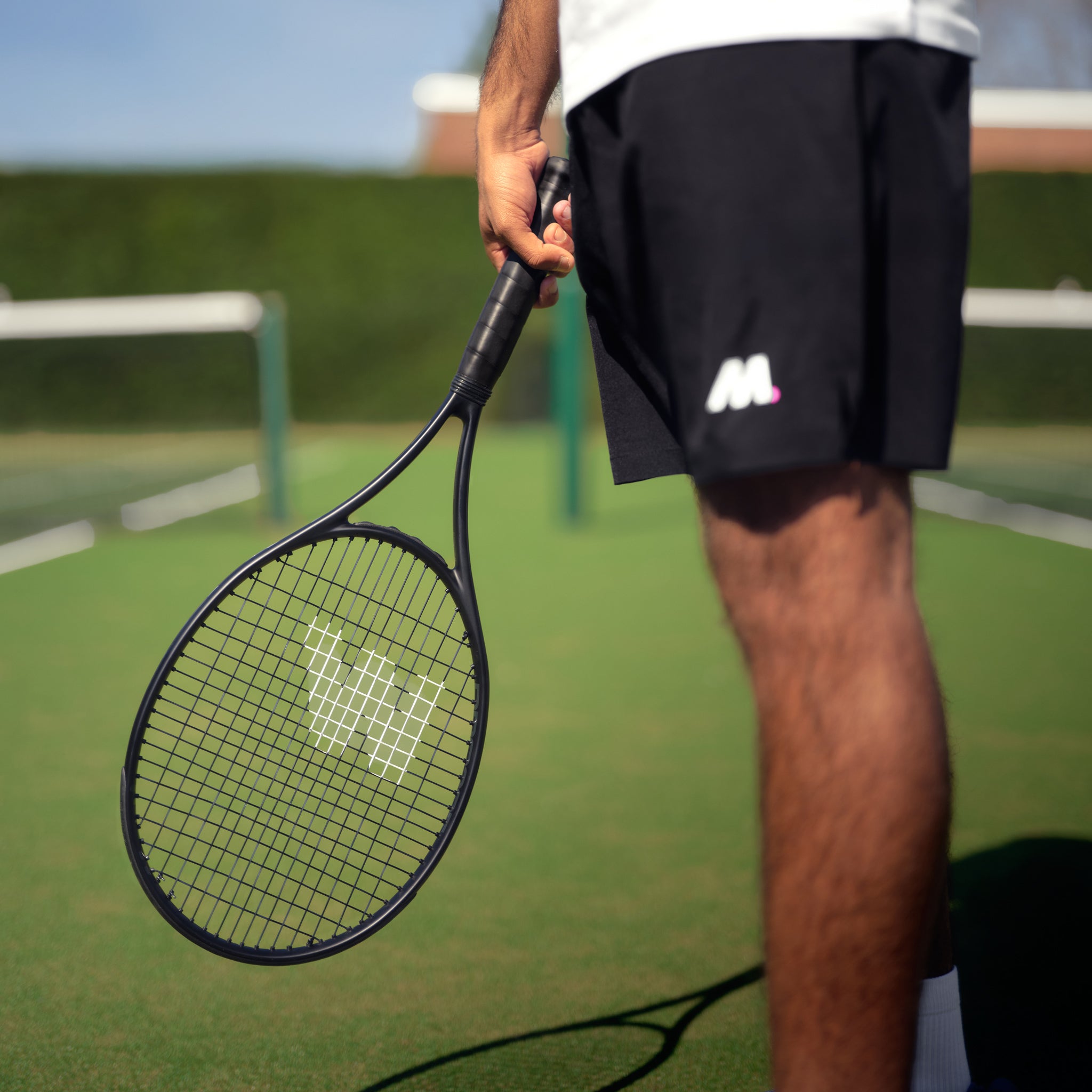
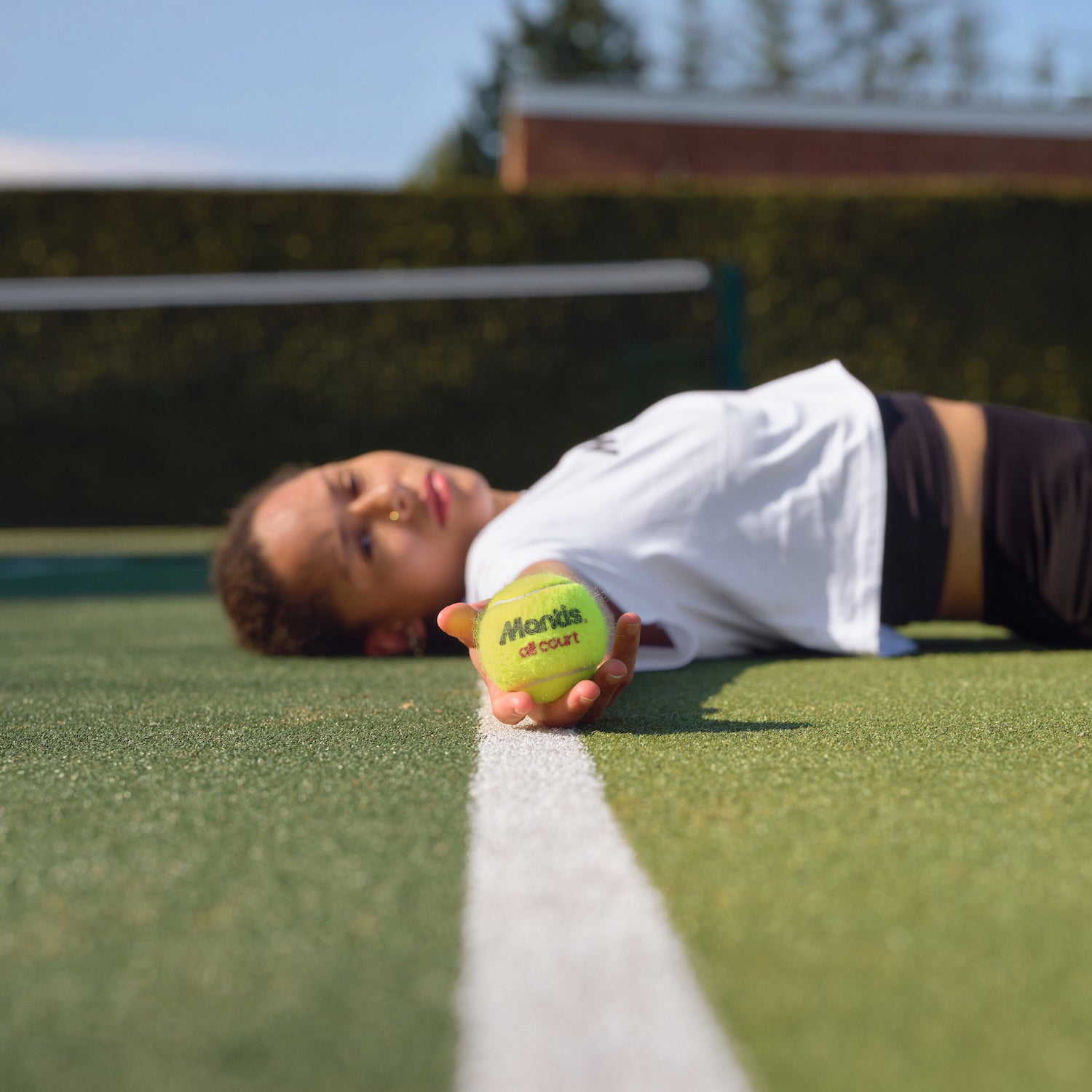






Choosing your first tennis racket can feel overwhelming. Walk into any sports shop and you'll face rows of gleaming frames, each promising performance, power, and precision. But here's the truth: the best tennis racket for beginners isn't necessarily the most expensive or the one your favourite pro uses. It's the racket that forgives your mistakes, builds your confidence, and grows with you as you learn. Let's cut through the marketing noise and focus on what actually matters when you're starting your tennis journey.
Understanding Head Size and Sweet Spot
The head size of your racket determines how forgiving it'll be when you're still developing consistency. Think of it as your safety net during those early months when your timing isn't quite there yet.
Oversized heads (105-115 square inches) offer the largest sweet spot, which means more successful shots even when you don't strike the ball perfectly. For someone just learning basic tennis rules, this forgiveness is invaluable.
Mid-plus heads (98-104 square inches) sit in the middle ground, whilst smaller heads demand precision that most beginners simply haven't developed yet.
Why Bigger Really Is Better at First
- More power generation with less effort required
- Greater margin for error on off-centre hits
- Increased confidence during rallies and practice
- Faster skill development through positive reinforcement
When you're still mastering proper grip technique, you need equipment that rewards your attempts rather than punishes small mistakes.
Weight Distribution Matters More Than You Think
Here's where many beginners make their first costly error: they choose a racket that's too heavy. A lighter frame (9-10.6 ounces unstrung) allows you to swing freely, develop proper technique, and play longer without fatigue.
| Weight Category | Weight (oz) | Best For | Manoeuvrability |
|---|---|---|---|
| Lightweight | 9.0-9.9 | Absolute beginners, juniors | Excellent |
| Medium | 10.0-10.9 | Progressing beginners | Very good |
| Midweight | 11.0-11.9 | Intermediate players | Moderate |
Head-light balance (where weight sits towards the grip) gives you better control and reduces arm strain. Head-heavy rackets generate power but require strength and timing most newcomers haven't built yet.
The relationship between racket weight and common injuries shouldn't be ignored either. Starting with a frame that's too heavy can contribute to developing tennis elbow before you've even mastered the basics.
Grip Size: The Specification Nobody Talks About
Your grip size directly affects comfort, control, and injury prevention. Too small and you'll squeeze too hard, creating tension up your arm. Too large and you'll struggle to change grips during play.
Understanding proper grip sizing prevents problems before they start. Most beginners do well with UK size 2 or 3 (US 4 1/4" to 4 3/8").
Quick Grip Size Test
Hold the racket in your dominant hand with an Eastern forehand grip. You should be able to fit your other hand's index finger in the gap between your palm and fingertips. Perfect fit? You've found your size.
Junior players need particular attention here. Age-appropriate equipment recommendations ensure young players develop proper technique from day one.
Frame Materials and Technology
Modern rackets come in various materials, each offering different characteristics. For beginners, aluminium or graphite composite frames provide the ideal combination of affordability and performance.
Pure graphite rackets offer excellent vibration dampening but cost considerably more. Advanced materials like carbon fibre deliver precision, but that precision demands consistency beginners haven't developed yet.
The technology behind racket construction has evolved significantly, but for your first racket, focus on fundamentals over fancy features.
Power vs Control: What Beginners Actually Need
You'll hear endless debates about power versus control. Here's what matters when you're starting out: you need power.
Control comes from technique, timing, and repetition. Power comes from equipment working with you, not against you. A power-oriented racket with a larger head and stiffer frame helps beginners generate pace without perfect form.
- Power rackets: Stiffer frames, larger heads, lighter weight
- Control rackets: Flexible frames, smaller heads, heavier weight
- Tweener rackets: Balanced middle ground for improving players
Start with power. You can always progress to a control-oriented frame as your skills develop.
String Patterns and Tension for New Players
Open string patterns (16x19 or similar) create more spin potential and power. They're more forgiving than dense patterns, making them ideal for beginners still developing consistent contact points.
Factory string tension (mid-50s pounds) works perfectly fine initially. As you progress, you might explore different string tensions to fine-tune your game, but that's a conversation for six months down the line.
Common Buying Mistakes to Avoid
Don't buy based on professional endorsements. What works for someone hitting 10,000 balls weekly won't suit someone learning basic strokes.
Don't choose the cheapest option. A quality beginner racket (£50-£100) lasts years and supports proper development. A £20 supermarket racket frustrates and breaks quickly.
Don't skip trying before buying. Many clubs offer demo programmes. Use them. Nothing replaces hitting actual balls with the racket you're considering.
How Your Game Will Evolve
The best tennis racket for beginners serves as a foundation, not a forever solution. Most players upgrade after 12-18 months as their technique solidifies and preferences emerge.
Watch for these signs you're ready to progress:
- Consistent contact with the sweet spot
- Developing shot preferences (baseline vs net play)
- Understanding what you want to improve
- Comfort with basic tactics and positioning
Developing your tactical understanding happens alongside equipment evolution. They're parallel journeys.
Investment in Progress
Quality beginner equipment costs between £60-£120. This includes the racket, strings, and initial stringing service. Factor in a quality grip and perhaps an overgrip for comfort.
Budget Allocation:
- Racket frame: £50-£90
- Professional stringing: £15-£20
- Replacement grip/overgrip: £5-£10
- Protective cover: £10-£15
Remember, this investment supports potentially decades of enjoyment. Compare that to most sporting equipment costs and tennis represents remarkable value.
For those serious about improving their game and connecting with the broader tennis community, Racket Business offers invaluable insights into equipment reviews, coaching resources, and industry trends that help players at every level make informed decisions about their gear.
Making Your Final Decision
Start by visiting your local tennis club. Speak with coaches. Try different rackets during beginner lessons. Most importantly, choose a racket that feels comfortable after 20 minutes of hitting, not just one practice swing in the shop.
Consider pre-strung packages from reputable brands. They eliminate guesswork about string type and tension whilst keeping costs manageable. As you progress, you'll develop preferences about string characteristics, but initially, factory setups work brilliantly.
The best tennis racket for beginners balances forgiveness, comfort, and room for growth. It's not about having professional-grade equipment on day one. It's about having the right tool for where you are now, with an eye towards where you're heading.
Your first racket represents more than equipment. It's your partner in progress, the tool that transforms interest into commitment, and tentative swings into confident strokes. Choose wisely, but don't overthink it. The real magic happens on the court, through practice, persistence, and the quiet satisfaction of improvement.
The right racket transforms frustration into progress and occasional success into consistent enjoyment. Whether you're picking up tennis for fitness, social connection, or serious skill development, your equipment choice matters. At Mantis, we craft precision-engineered rackets for players who find beauty in the grind and joy in incremental progress. Our frames are designed for those who show up, put in the work, and embrace the lifelong journey of getting better.