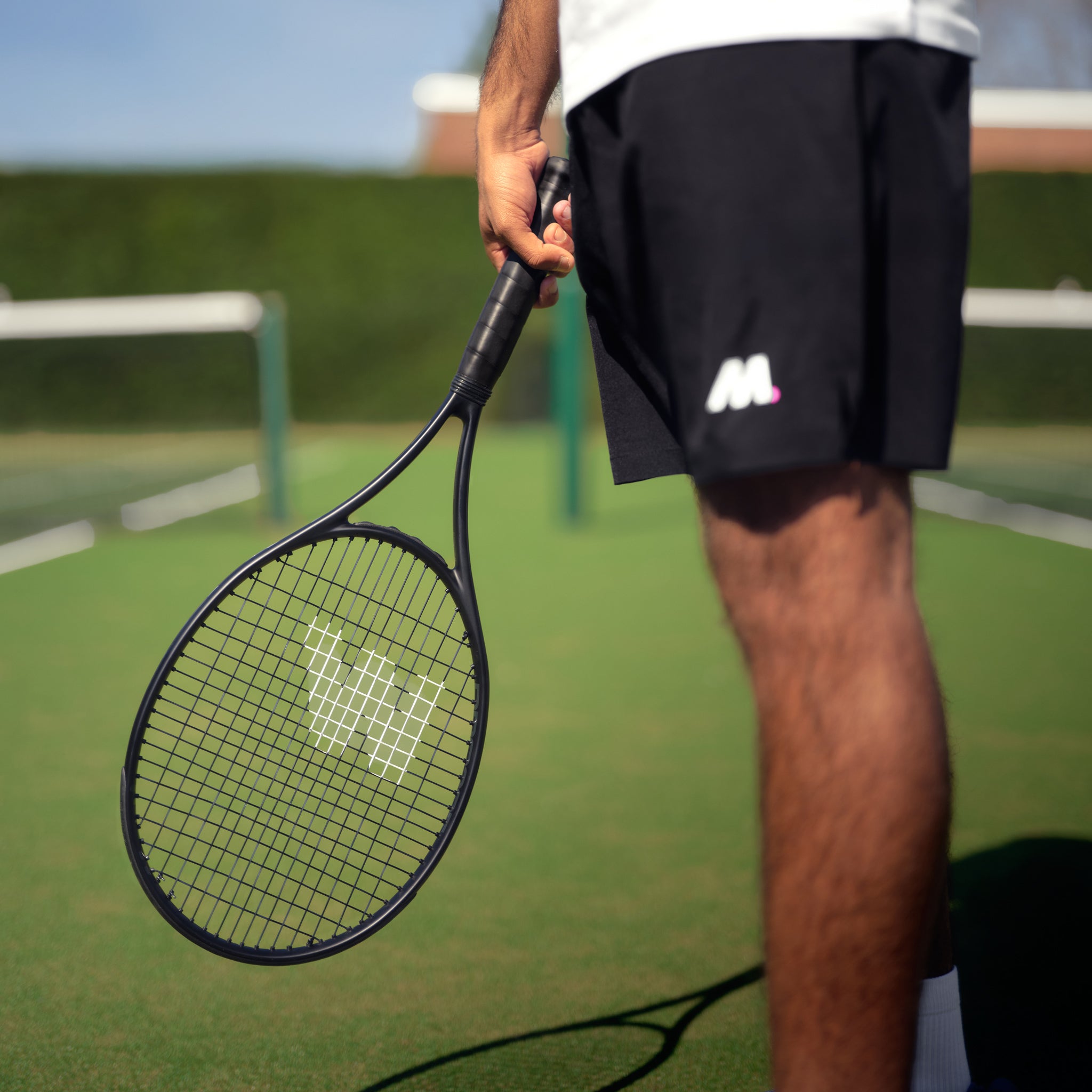







This tennis tactics guide brings you the latest, data-driven strategies for outsmarting your rivals in today’s evolving game. Expect actionable tips to master advanced baseline play, net skills, cutting-edge serve and return methods, and mental resilience.
In 2026, tennis is faster, smarter, and more competitive than ever. The right tennis tactics can be the difference between winning and falling short, no matter your skill level.
Ready to adapt and thrive? Explore how to upgrade your style for the modern tennis landscape and stay ahead of the competition.
Mastering Baseline Play in the Modern Game
Modern tennis tactics demand sharper baseline play than ever. With 2026’s game evolving at a rapid pace, players who adapt their approach at the back of the court are seeing the biggest gains. Let’s break down the latest methods for dominating baseline rallies and outsmarting rivals.
Analysing Opponent Weaknesses
Spotting patterns is the foundation of strong tennis tactics. Watch for your opponent’s preferred rally shots and how they respond under pressure. By aiming deep shots to their backhand, you capitalise on a proven strategy—2025 ATP statistics reveal 68 percent of winners come from this target.
Mix your placement. Test both corners and vary depth to force errors. Using this analytical approach, you can turn small weaknesses into decisive advantages during rallies.
Adapting to Pace and Spin
Racquet and string innovations have ramped up the speed and topspin of 2026’s baseline exchanges. Reacting quickly is crucial. Incorporate drills like split-step footwork and rapid side shuffles to sharpen your responses.
Train with balls of different weights and spins to build adaptability. The best tennis tactics involve not just keeping up, but thriving against faster, heavier shots.
Constructing Points Strategically
Patience is now a winning formula. With longer rallies favouring consistent players, construct points by mixing up your arsenal—slices, drop shots, and heavy topspin. This unpredictability keeps opponents second-guessing.
Want to refine your forehand for more effective point construction? Explore these Tennis forehand technique tips for practical advice on adding variety and control to your game.
Incorporating Data Analytics
The smartest tennis tactics leverage data. Analyse match statistics to identify where you win the most points and when your opponent falters. Players using analytics in ITF tournaments saw a 12 percent rise in win rates in 2025.
Track tendencies with simple tools or apps. Even basic numbers—like rally length or shot placement—help you spot trends and make tactical adjustments mid-match.
Adjusting to Court Surfaces
Every surface changes the baseline battle. On hard courts, focus on early ball striking and flatter drives. Clay courts reward heavy topspin and patience, while grass courts demand agility and low, skidding shots.
Adapting your tennis tactics to the surface is the final step to mastering modern baseline play. A flexible approach ensures you’re ready, no matter where the match is held.
Net Play: Aggression and Precision for 2026
Net play is making a big comeback in modern tennis tactics, with players embracing aggression and precision to outsmart powerful baseliners. Fast reflexes, sharp positioning, and smart transitions are now critical. Are you ready to add these winning moves to your tennis tactics toolkit?
Transitioning to the Net
Choosing the right moment to approach the net is crucial. In 2026, pro matches show a 30% surge in net approaches compared to 2020. Success here relies on recognising short balls and hitting deep approach shots. Practise split-step footwork and attack when your opponent is off-balance.
Volleys and Overheads
Sharp volleys and solid overheads can make or break a rally. Focus on:
- Soft hands for touch volleys
- Compact swings
- Drills using reaction balls for lightning-fast reflexes
Position yourself with knees flexed and racquet up, ready to pounce on any floating ball.
Doubles vs Singles Tactics
Doubles net play is a different beast from singles. Communication is key, along with poaching and coordinated movement. For in-depth tips on these tennis tactics, check out the Tennis doubles strategy guide. Mastering these can be the difference between winning and losing tight matches.
Dealing with Passing Shots
Anticipate your opponent's passing shots by reading their grip and stance. Stay alert, split-step as they swing, and cover the most likely lanes. Quick lateral movement and soft hands help you counter sharp angles or powerful drives.
Using Drop Shots and Angles
Mixing in drop shots and angled volleys breaks up baseline patterns and keeps rivals guessing. Practise disguising your intent until the last moment. These creative tennis tactics disrupt rhythm, opening up the court for easy put-aways or forcing errors.
Serve and Return: Innovations for a Competitive Edge
The serve and return have entered a new era in tennis tactics. Players in 2026 are leveraging cutting-edge racquet technology and data-driven strategies to push the boundaries of what’s possible. Are you ready to outsmart your rivals with these game-changing approaches?
The Power of the Serve in 2026
Modern racquet tech allows for greater spin and explosive speed, but placement is the true separator. According to recent stats, top servers in 2025 won 78% of points when focusing on first serve placement rather than raw power. The best tennis tactics now involve targeting corners, mixing speeds, and disguising intent. Practise serving to all four quadrants and track your accuracy to maximise effectiveness.
Advanced Return Strategies
Reading serve patterns is vital. Smart players study tendencies, using split-step timing and anticipation to gain an edge. Should you attack second serves or play it safe? Aggressive returns put pressure on servers, while defensive ones keep you in the rally. Adapt your tennis tactics based on your opponent’s strengths and weaknesses.
Second Serve Tactics
Second serves are no longer routine. Adding kick, slice, and varying spins keeps returners guessing. Experiment with different grips and toss heights during practice. The goal is to make your second serve as unpredictable as your first. Consistent execution under pressure is what separates good tennis tactics from great ones.
Serve-and-Volley Resurgence
Serve-and-volley is making a comeback, with a 15% increase in successful plays at the Challenger level. Players blend power with touch, rushing the net after well-placed serves. The 2025 ATP Tour Overview highlights this trend, showing its effectiveness against pure baseliners. Train your split-step and first volley to capitalise on this tactical shift.
Analysing Opponent Serve Habits
Use observation and match data to spot patterns in your opponent’s serve. Are they favouring wide serves under pressure or going down the T? By logging tendencies and adjusting your return position, you can break their rhythm. This analytical approach is now central to top-level tennis tactics.
The Mental Game: Building Resilience and Focus
Modern tennis tactics demand not just physical skill, but a mind tough enough to weather every challenge. In 2026, matches are faster, rallies longer, and pressure higher. Mastering the mental game is now a critical edge for those aiming to outlast and outthink their rivals.
Mindset Shifts for 2026 Competition
Adapting to evolving tennis tactics starts with a growth mindset. The latest WTA survey found that 40% of top players’ success comes from mental training. Players who embrace adaptability handle high-pressure moments best. For deeper insights, explore how to build mental toughness to transform setbacks into strategic opportunities.
Pre-Match Routines and Visualisation
Consistent routines set the tone for peak performance. Visualisation helps players anticipate scenarios, making real-time decisions feel instinctive. Many pros use breathing exercises and positive self-talk before stepping on court.
In-Match Focus Techniques
Maintaining sharp focus is the backbone of effective tennis tactics. Techniques like controlled breathing, using cue words, and quick reset rituals help players regain composure after intense points. These habits keep the mind clear when every shot counts.
Coping with Momentum Swings
Momentum can shift quickly. Tactical timeouts, strong body language, and emotional regulation are vital for regaining control. Recognising when to reset can turn the tide in a tight match.
Learning from Setbacks
Every loss is a lesson for refining tennis tactics. Analysing setbacks reveals patterns and opportunities for improvement. Players who review matches and seek feedback adapt fastest, turning disappointment into future wins.
Adapting This Tennis Tactics Guide to Your Playing Style
Every player is unique, so adapting tennis tactics to your strengths is crucial for success in 2026.
Identify Your Strengths and Weaknesses
Use match feedback and self-assessment to highlight areas for growth. Knowing your best shots and vulnerabilities shapes your tennis tactics and helps you play smarter.
Customise Strategies for Aggressive or Defensive Play
Aggressive baseliners can prioritise quick point construction, while counter-punchers should focus on exploiting opponent errors and maintaining consistency.
Prioritise Physical Conditioning and Endurance
Modern tennis rewards stamina. Players with a higher VO2 max are winning more deciding sets, so endurance training is now a vital part of tennis tactics.
Integrate New Technology
Wearable trackers and smart racquets offer instant feedback, allowing for real-time tactical adjustments. Embracing tech can elevate your tennis tactics and performance.
Adjust for Opponent Types
Adapt your approach for serve-and-volleyers, all-court players, or counter-punchers. Flexibility in your tennis tactics ensures you're always ready for any challenge.
If you're the kind of player who thrives on digging deeper—analysing your matches, learning from every rally, and always searching for that edge—this guide was written for you. We've explored the tactics, mindset, and gear that shape champions in the modern game. But mastering the court also means having equipment that matches your ambition. That's where community and quality matter most. If you see tennis as more than just a pastime, and you're ready to push your game further, let's do it together. Mantis is here for committed amateurs