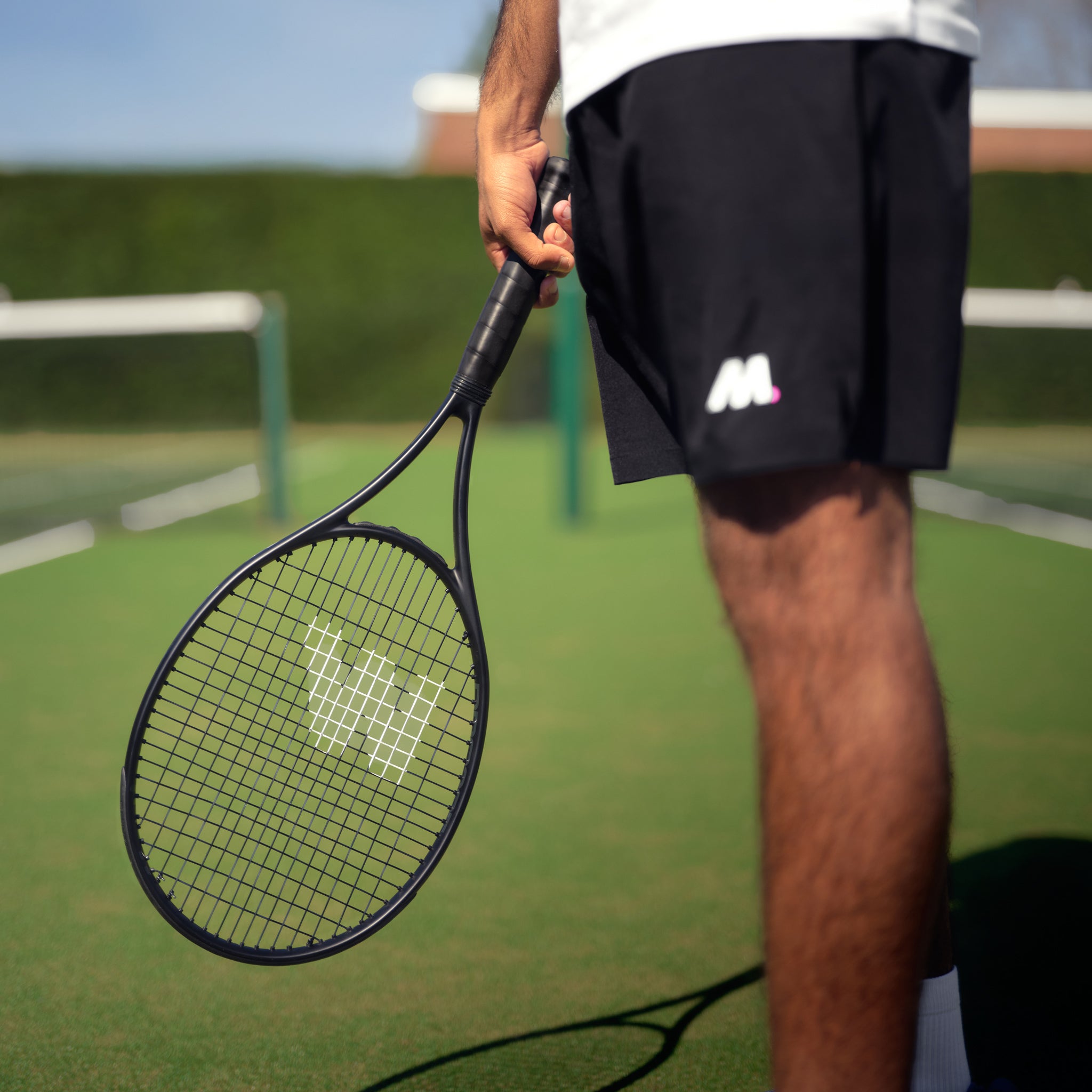
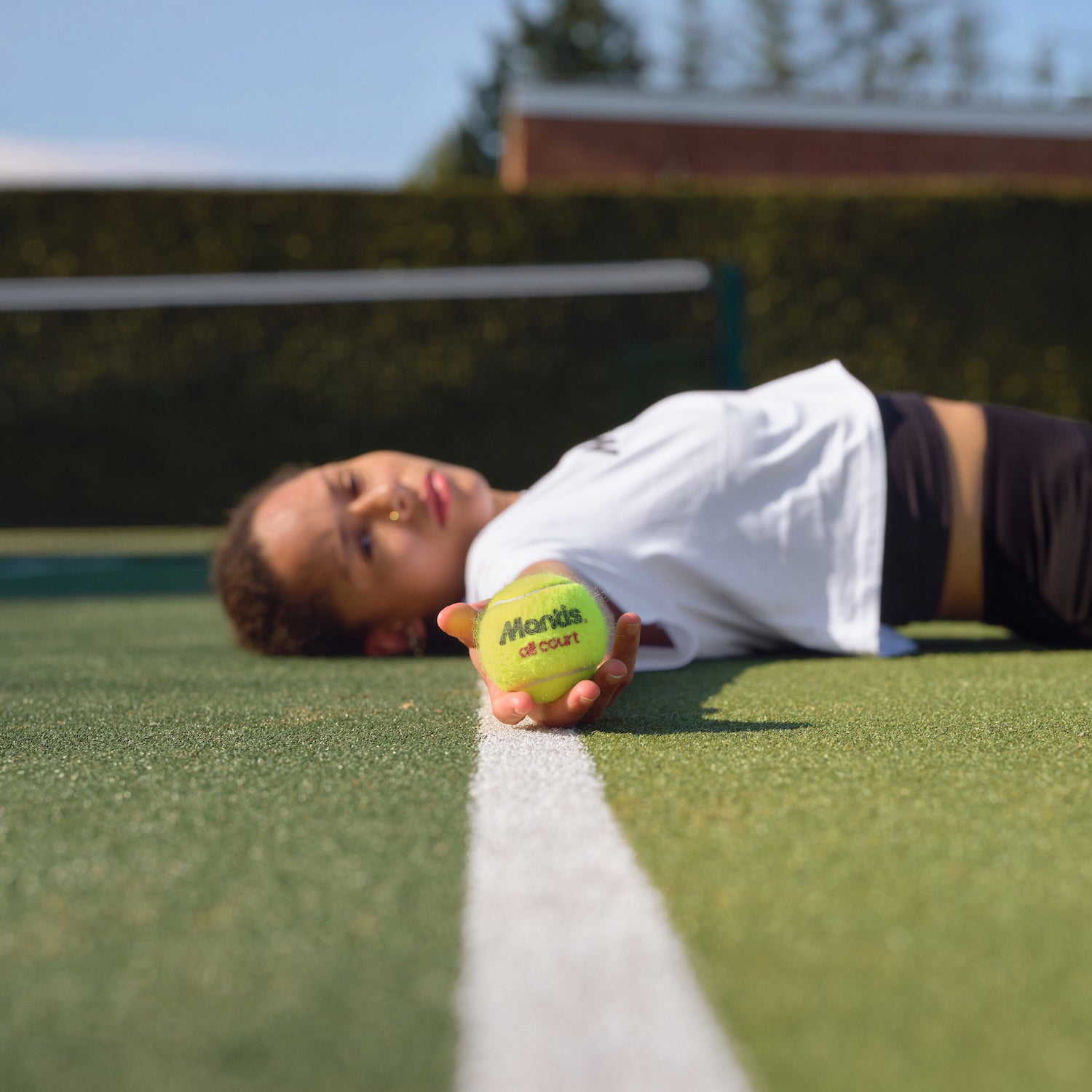






Stepping onto the court for the first time should feel exhilarating, not overwhelming. Yet walk into any tennis shop and you'll face a bewildering wall of racquets, each promising to transform your game. The truth? The best tennis racquets for beginners aren't always the ones with the flashiest marketing or the biggest price tags. They're the tools that encourage proper technique, build confidence, and-most importantly-keep you coming back to court. Whether you're a complete novice or returning to tennis after years away, choosing your first racquet is a decision that genuinely matters.
Understanding What Makes a Beginner-Friendly Racquet
Not all racquets are created equal, and beginners have fundamentally different needs from advanced players. Where seasoned competitors seek precision and control, newcomers benefit most from power assistance and forgiveness.
The science backs this up. Research on swing-weight demonstrates that heavier, harder-to-manoeuvre racquets reduce swing speed and overall racquet power, making it harder for beginners to generate pace. This is precisely why the best tennis racquets for beginners typically share several key characteristics.
Head Size and Sweet Spot
Think of head size as your margin for error. Racquets with larger heads-typically 100 to 110 square inches-provide:
- Bigger sweet spots that forgive off-centre hits
- Additional power generation without perfect technique
- More consistent ball response across the string bed
- Greater confidence during those crucial early matches
A smaller head size might offer superior control, but it demands precision most beginners simply haven't developed yet.
Weight Distribution Matters
Here's where many newcomers get tripped up. A lighter racquet seems logical for someone still building strength, right? Not necessarily.
| Weight Category | Typical Range | Best For |
|---|---|---|
| Ultra-light | 240-270g | Young juniors, very limited strength |
| Light | 270-285g | Most adult beginners, returning players |
| Medium | 285-310g | Athletic beginners, rapid improvers |
Balance matters just as much as overall weight. Head-light racquets offer better manoeuvrability, whilst head-heavy designs provide extra power. For beginners, a slightly head-light or even-balanced frame typically delivers the best compromise between control and power.
Critical Specifications to Consider
Walking into a shop armed with knowledge changes everything. Beyond head size and weight, several technical specifications determine whether a racquet suits your developing game.
String pattern influences both power and spin potential. Open patterns (16x19 or similar) allow strings to move more freely, generating extra spin and power-perfect for beginners still developing consistent stroke mechanics. Dense patterns offer control but require cleaner technique.
Beam width directly affects power and comfort. Thicker beams (23-28mm) provide more power through increased frame stiffness, whilst thinner beams prioritise feel and control. Studies examining racket stiffness and swingweight reveal that stiffer frames can transmit more vibration, potentially increasing injury risk for players with developing technique.
Grip Size: Often Overlooked, Always Important
Can you slide your index finger between your palm and fingertips when gripping the racquet? That's the classic test for proper grip size. Too small increases injury risk through over-gripping; too large reduces wrist mobility and feel.
Most adult beginners find comfort in grip sizes 2 (4¼ inches) through 3 (4⅜ inches). When in doubt, choose smaller-you can always build up grip size with overgrips.
String Tension and Setup Considerations
Here's a secret: the racquet is only half the equation. String choice and tension dramatically influence how your racquet performs, particularly regarding power, control, and arm comfort.
Research into string tension effects shows that lower tensions provide more power and comfort-both advantages for beginners. They also reduce the forces transmitted to your elbow, potentially preventing the dreaded tennis elbow that sidelines so many newcomers.
For the best tennis racquets for beginners, we recommend:
- Starting with manufacturer-recommended tension (usually stamped on the frame)
- Stringing 2-3 pounds below the midpoint initially
- Using multifilament or synthetic gut strings for comfort
- Avoiding polyester strings until technique solidifies
Players interested in understanding more about optimising their setup should explore guidance on racquet stringing tension, which covers how tension affects playability and comfort.
Frame Length and Junior Considerations
Adult beginners typically use standard 27-inch frames, but proper sizing becomes crucial for younger players. Evidence from biomechanics research demonstrates that appropriately scaled racquets improve serve technique and reduce injury risk in developing players.
| Player Height | Recommended Racquet Length |
|---|---|
| Under 3'10" | 19-21 inches |
| 3'10" to 4'6" | 23 inches |
| 4'6" to 4'10" | 25 inches |
| 4'10" to 5'2" | 26 inches |
| Over 5'2" | 27 inches (standard) |
Mantis offers a complete range of junior rackets specifically designed for younger players at various developmental stages.
Pre-Strung vs. Unstrung Racquets
Most beginners encounter pre-strung racquets first-frames that arrive ready to play straight from the shop. These offer convenience and lower initial cost, making them attractive options.
However, pre-strung racquets typically come with basic factory strings at generic tensions. Investing slightly more in an unstrung frame with custom stringing provides:
- String choice tailored to your playing style
- Tension optimised for comfort and power
- Better quality strings that maintain performance longer
- Professional stringing expertise
Think of it as the difference between off-the-rack and tailored clothing. Both work, but one fits considerably better.
The Value of Demo Programmes
Would you buy a car without a test drive? The same logic applies to racquets. Your perfect frame should feel like a natural extension of your arm-something impossible to determine from specifications alone.
Many clubs and retailers offer demo programmes, allowing you to trial racquets before committing. Mantis takes this seriously with their try-now demo programme, enabling players to experience different frames in actual match conditions before making a decision.
Building Your Tennis Foundation
Choosing among the best tennis racquets for beginners represents just the first step in your tennis journey. The right racquet accelerates progress, but sustained improvement requires dedication to developing proper technique and tactical understanding.
Resources like tennis tactics guidance complement equipment choices, helping beginners understand not just what to play with, but how to play strategically. Additionally, strength training programmes build the physical foundation necessary for injury-free progression.
For those seeking comprehensive tennis equipment information and industry insights, Racket Business provides valuable resources covering everything from equipment technology to coaching methodologies-an excellent bookmark for anyone serious about understanding the sport deeply.
Quality Without Compromise
The tennis industry often pushes beginners towards budget frames or last year's professional models at discount prices. Neither represents the optimal choice.
Cheap racquets frequently feature poor materials that transmit excessive vibration, potentially causing arm problems before technique develops. Meanwhile, professional frames demand precision most beginners haven't yet cultivated.
What works? Racquets specifically engineered for the developing player-frames that prioritise comfort, forgiveness, and confidence-building without sacrificing build quality. This philosophy drives everything in the Mantis adult tennis racket collection, where British engineering meets accessible performance.
The best investment isn't the most expensive racquet or the cheapest option. It's the frame that keeps you playing, enjoying every moment on court, and hungry to improve. Because ultimately, that's what transforms beginners into lifelong players.
Choosing the best tennis racquets for beginners centres on finding equipment that forgives mistakes whilst encouraging technical development. The right racquet makes early tennis experiences positive rather than frustrating, setting the foundation for years of progress. At Mantis, we craft precision-engineered racquets specifically for players committed to the journey of improvement, not just the destination. Explore the Mantis collection to discover equipment built for those who show up early, stay late, and find genuine joy in getting better.
