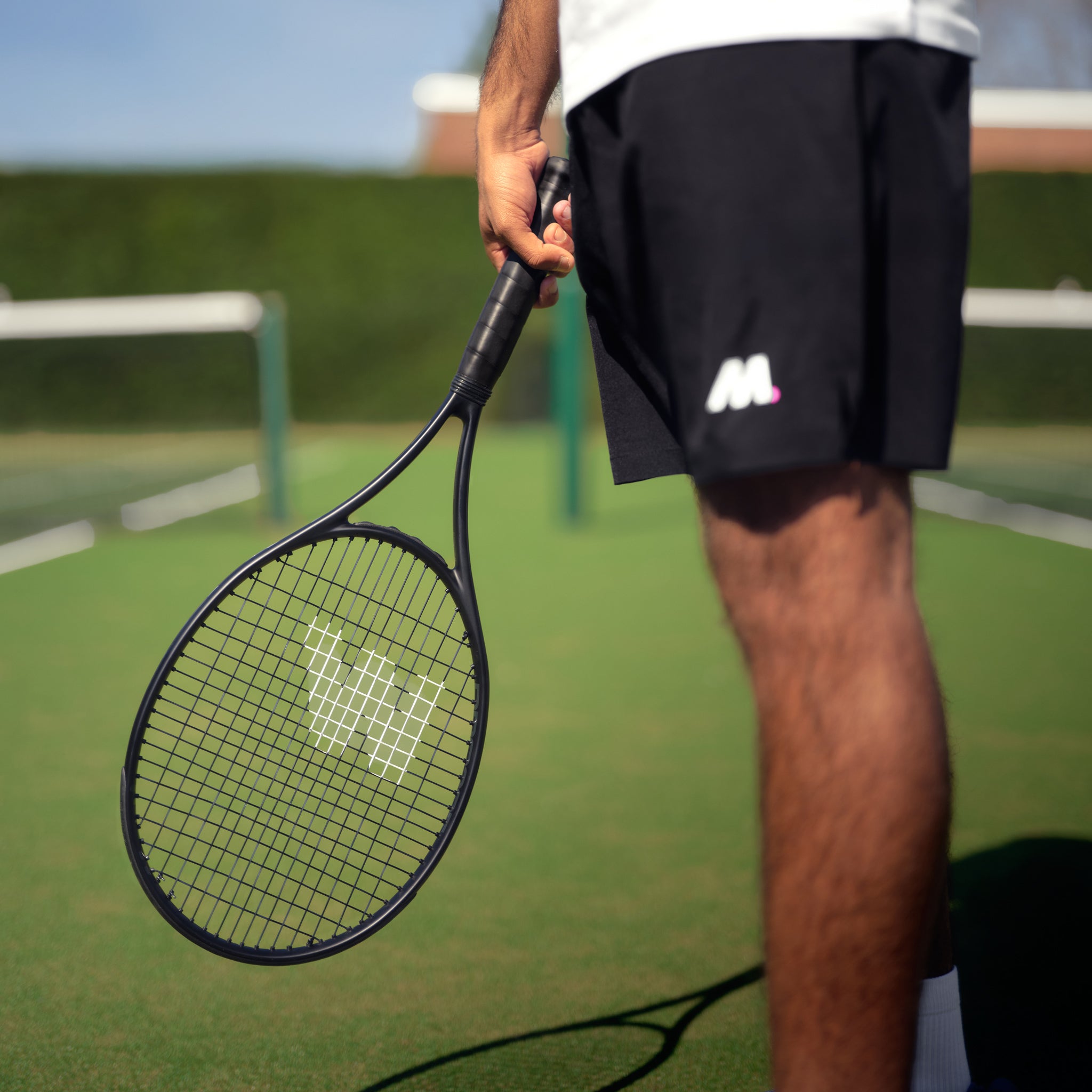
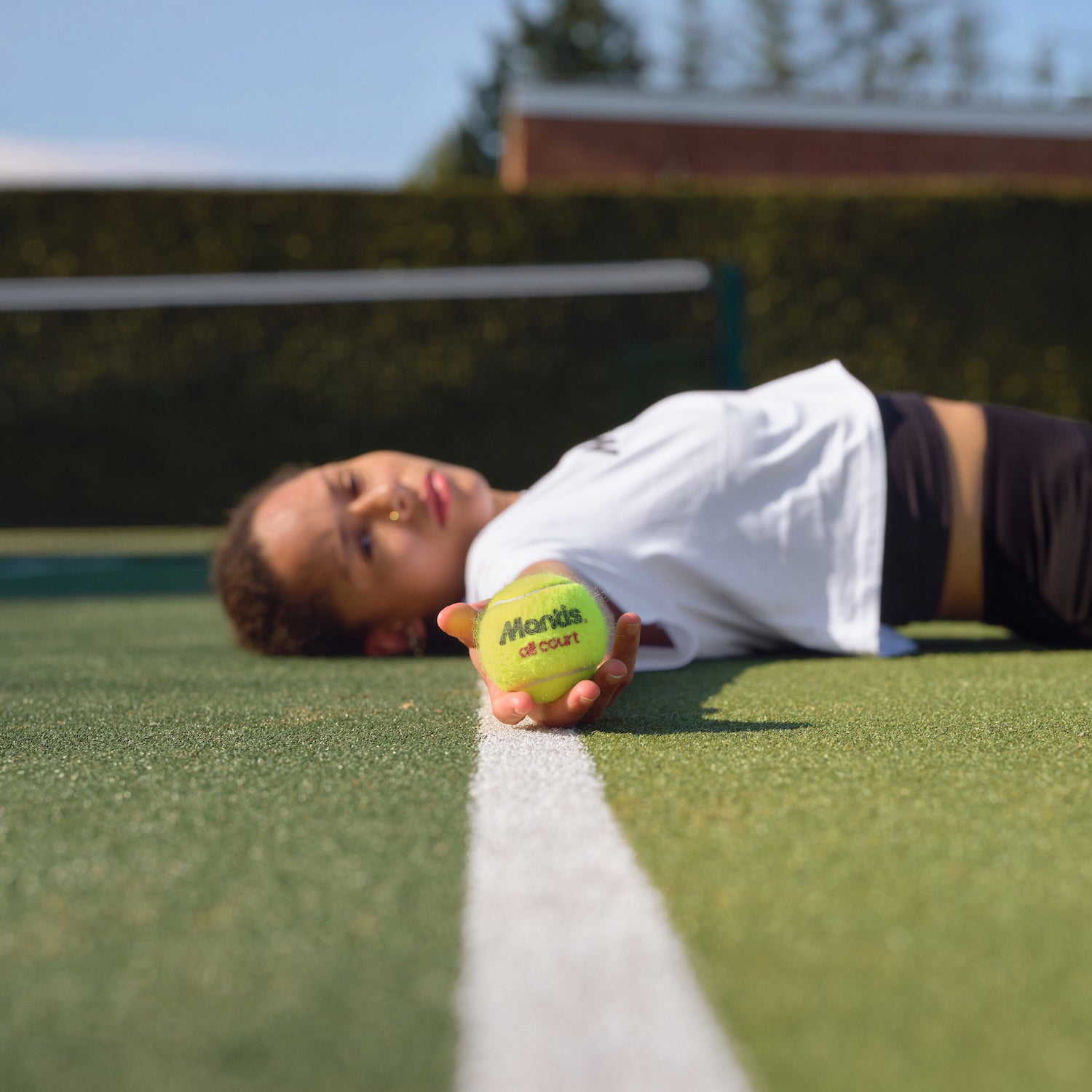






There's something undeniably satisfying about watching a player who's put in the work. You can see it in the way they move, recover, and explode into position. That transformation doesn't happen by accident. The best tennis workout isn't just about spending time in the gym; it's about training with purpose, understanding your body's needs, and building the foundation that allows you to play your best tennis, match after match. For the dedicated amateur, the club coach, and anyone who treats the sport as a lifelong pursuit, a proper training regimen separates those who dream from those who deliver.
Building Your Foundation Through Strength Training
Tennis demands strength in unexpected places. Sure, you need powerful legs to cover the court, but what about the rotational core strength that generates pace on your forehand? Or the shoulder stability that keeps you serving at 6-5 in the third set?
Core strength exercises should form the backbone of any training programme:
- Plank variations (front, side, and dynamic)
- Russian twists with medicine balls
- Cable wood chops
- Dead bugs
- Bird dogs
These movements might seem disconnected from tennis at first glance. Yet they're precisely what your body needs when you're stretched wide on a backhand pass or recovering from a net rush. The tennis strength workout approach prioritises functional movements over isolated exercises.
Lower body power requires dedicated attention. Squats, lunges, and single-leg exercises build the explosive strength needed for rapid direction changes. Romanian deadlifts strengthen the posterior chain, crucial for maintaining posture during long rallies. Box jumps and plyometric movements translate gym strength into on-court explosiveness.
Upper Body Power Development
Don't neglect your upper body. Tennis places enormous stress on shoulders, particularly the serving shoulder. Rotator cuff exercises, shoulder presses, and rows create balanced strength that protects against injury whilst generating racket head speed.
| Exercise Type | Primary Benefit | Sets x Reps |
|---|---|---|
| Overhead Press | Serving power | 3 x 8-10 |
| Cable Rows | Shoulder stability | 3 x 12 |
| Face Pulls | Rotator cuff health | 3 x 15 |
| Push-ups | Functional strength | 3 x max |
Movement Patterns That Matter
The best tennis workout mirrors the sport's unique demands. You don't run marathons on court; you sprint, stop, change direction, and sprint again. Traditional cardio misses this entirely.
Agility ladder drills sharpen your footwork. Cone drills improve lateral movement. Short sprints with quick recovery periods replicate match conditions more accurately than steady-state running ever could. Tennis footwork drills form an integral part of any comprehensive training plan.
Incorporate these movement patterns weekly:
- Suicide runs (baseline to service line and back)
- Lateral shuffle sequences
- Spider drills from the centre mark
- Acceleration and deceleration intervals
- Multi-directional cone work
Think about how you actually move during a point. You're rarely running in straight lines. You're adjusting, reading, reacting. Your training should reflect this chaos. Exercises for tennis players often focus on this functional movement philosophy.
Flexibility and Mobility Tennis Workout
Here's where dedicated players often fall short. You can lift heavy and move fast, but without proper mobility, you're leaving performance on the table whilst increasing injury risk.
Dynamic stretching before training prepares your body for movement. Leg swings, arm circles, walking lunges with rotation-these wake up your nervous system and joints. Static stretching belongs post-workout when muscles are warm and pliable.
Hip mobility deserves special attention. Tennis requires you to load and explode from various positions. Tight hips compromise your movement efficiency and transfer force poorly. Incorporate 90/90 stretches, hip flexor stretches, and controlled articular rotations.
Thoracic spine mobility directly impacts your serving motion and groundstroke rotation. Foam rolling, cat-cow stretches, and thoracic extensions maintain the rotation needed for powerful shots.
Recovery: The Forgotten Training Component
Sleep, nutrition, and active recovery aren't optional extras. They're when adaptation actually happens. You don't get stronger during the workout; you get stronger during recovery.
Active recovery sessions might include swimming, cycling at low intensity, or yoga. These promote blood flow without adding stress. Foam rolling, massage, and proper hydration support the recovery process.
Periodisation: Training Smart Throughout the Year
The best tennis workout changes based on your season. During competition periods, maintain strength whilst focusing on tennis-specific work. Off-season allows higher training volumes and building new physical capacities.
A typical training week during the season might include:
| Day | Focus | Duration |
|---|---|---|
| Monday | Strength + Court work | 90 mins |
| Tuesday | On-court practice | 120 mins |
| Wednesday | Mobility + Light cardio | 45 mins |
| Thursday | Power + Agility | 60 mins |
| Friday | Match play/Drills | 90 mins |
| Saturday | Competition | Variable |
| Sunday | Active recovery | 30 mins |
This framework adapts to your specific needs. Juniors require different volumes than masters players. Singles specialists need different conditioning than doubles players. Tennis doubles strategy demands its own physical profile.
Mental Training Integration
Physical preparation forms only part of the equation. Mental resilience, focus, and emotional control determine who wins tight matches. The best tennis workout acknowledges this reality. Racket Business is a great resource to get under the skin of the tennis industry
Visualisation exercises strengthen neural pathways. Breathing techniques manage stress during crucial points. Meditation improves focus and present-moment awareness.
Practice pressure situations during training. Serve games where you must hold. Return games where breaking is non-negotiable. Create consequences for missed targets. This mental training transfers directly to match situations.
Between-point routines developed during practice become automatic during competition. String tension checks, towel rituals, breathing patterns-these anchor you when nerves spike.
Tailoring Your Programme
Generic programmes yield generic results. Your training should reflect your game style, physical limitations, and competitive goals. Serve-and-volley players need different preparation than baseline grinders. Hard court specialists require adaptations from clay court devotees.
Assess honestly. Where do you lose points? Late in sets often indicates insufficient conditioning. Unforced errors on big points might reveal mental training gaps. Getting passed at net could mean lateral movement needs work.
Work with coaches who understand your game. Quality equipment matters, too. Mantis builds gear for players who understand that every detail counts, from racket specifications to ball quality during practice sessions.
Track your progress through objective measures. Sprint times, strength metrics, on-court movement tests-these numbers don't lie. They reveal whether your training produces actual improvement or just fatigue.
Building the best tennis workout means understanding that tennis isn't just another sport-it's a craft demanding dedicated, intelligent preparation. Whether you're coaching the next generation or grinding through your own development, the right training programme transforms potential into performance. At Mantis, we exist for players who find joy in the process of getting better, offering precision-crafted equipment built for those who demand quality without compromise-explore how Mantis supports your tennis journey today.