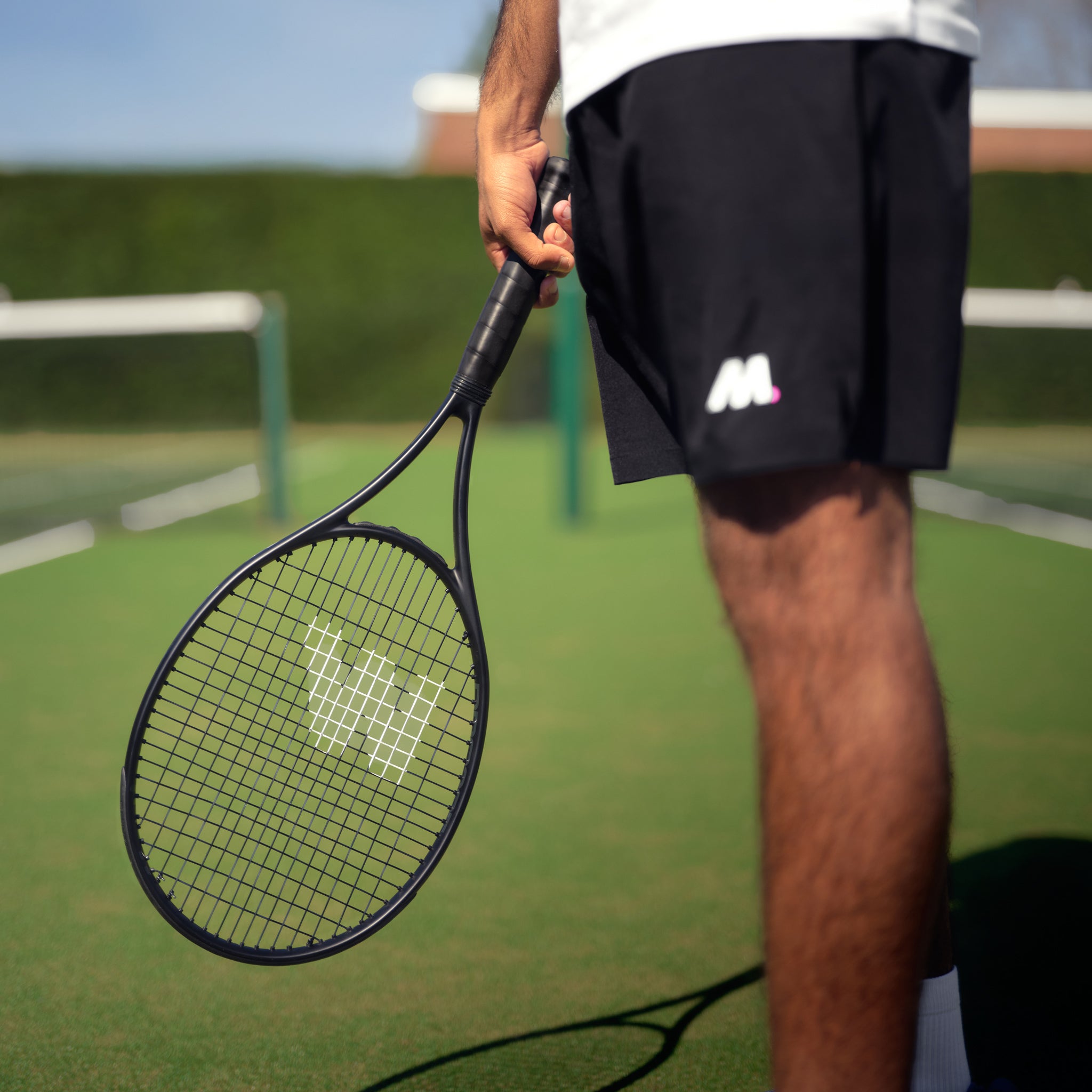






Are you ready for the explosive changes sweeping through the world of doubles tennis tactics in 2026? The game is faster, smarter, and more unpredictable than ever. Top doubles pairs are transforming how they approach every rally, and the competition is fierce.
This guide brings you the sharpest doubles tennis tactics to help you outthink and outplay your opponents. Discover advanced formations, the secrets of elite teamwork, and the serve-and-volley moves that set champions apart.
Want to lift your game and win more matches? Dive in to learn proven strategies, communication tips, and real match examples that will give you the edge this season.
Understanding Modern Doubles Dynamics
Modern doubles tennis tactics have shifted dramatically, with 2026 seeing faster, more aggressive rallies and a greater emphasis on seamless teamwork. Success now hinges on how well partners sync their movements, anticipate plays, and communicate under pressure. Each player’s role, whether at the net or baseline, is more defined than ever, making synergy the cornerstone of elite doubles performance.
Recent tournaments reveal a surge in net play effectiveness. For example, ATP stats show net point win percentages have climbed above 65% for top teams. This trend is especially pronounced on faster court surfaces, where quick reflexes and precise placement are rewarded. The choice of baseline or net positioning often depends on a pair’s strengths, the surface speed, and even the spin and bounce of the ball.
Adaptability is crucial. Analysing opponents’ tendencies in real time allows teams to shift tactics instantly. Left and right-handed combinations create unique angles, forcing rivals to rethink their own doubles tennis tactics. The best pairs read body language, exploit weaknesses, and adjust court positioning to gain the upper hand.
A standout example can be seen in how leading doubles teams exploit positioning. It’s clear that understanding formations and adapting on the fly separates champions from the rest. Mastering these doubles tennis tactics is now essential for anyone aiming to compete at the highest level.
Mastering Communication and Teamwork
Strong communication is the heartbeat of effective doubles tennis tactics. Before every point, top pairs use subtle signals and hand cues to set up plays and anticipate each other's moves. This pre-point planning ensures both players are aligned, which is crucial for reacting to unpredictable rallies.
During points, the best teams mix clear verbal calls with quick, non-verbal gestures. A simple nod or finger sign can signal intent without tipping off opponents. Trust forms the backbone of this system. Each player must believe their partner will cover their zone and follow through, especially in fast-paced exchanges.
Consider the world’s leading pairs—those with the highest communication ratings often outperform technically superior teams. Their secret? They support each other under pressure, offering encouragement after missed shots and resetting their mindset for the next rally. This psychological edge can be the difference-maker in tight matches.
Adapting doubles tennis tactics on the fly is another hallmark of elite teams. Partners give instant feedback, adjusting positioning or shot selection based on what’s working. To sharpen these skills, Mantis recommends drills that focus on both verbal and silent cues, as well as switching roles mid-rally. For more drills and expert tips, explore online tennis instruction resources that enhance teamwork and chemistry.
With the right mix of open dialogue, mutual trust, and targeted practice, any pair can elevate their game and unlock the full power of double tennis tactics.
Advanced Doubles Formations and Positioning
Doubles tennis tactics are evolving fast, and mastering formations with smart positioning is now a must for competitive pairs. Understanding how to switch between formations and move as a unit gives teams a strategic advantage over opponents who rely on static play.
Traditional and Modern Formations
Modern doubles tennis tactics blend classic formations with innovative setups. The one-up, one-back formation offers balance, with one player at the net and one at the baseline, ideal for all-court coverage but sometimes vulnerable to aggressive net teams. The Australian formation moves both players to the same side, forcing awkward returns and disrupting rhythm. The I-formation, where one player crouches at the net’s centre, hides serving intentions and opens poaching opportunities. Stacking and switching let teams quickly adjust sides after the serve, maximising strengths like forehand volleys.
| Formation | Strengths | Weaknesses |
|---|---|---|
| One-up, one-back | Versatile, safe | Less net pressure |
| Australian | Disrupts returners | Leaves open space |
| I-formation | Masks intentions | Requires quick reactions |
Recent ATP stats show top pairs use the I-formation on over 30% of second serves for surprise. For a deeper dive into the tennis coaching world you can visit RacketBusiness.com.
Dynamic Positioning and Movement for better doubles tennis tactics
Dynamic positioning is at the heart of doubles tennis tactics. Reading the opponent’s body language helps anticipate shots and react quickly. Poaching, where the net player intercepts a return, relies on precise timing and clear signals. Covering lobs and angled volleys demands sharp footwork and awareness, while rotational movement ensures both players fill gaps and maintain pressure. Drills like “cross-court poach” and “lob recovery” boost coordination and teamwork.
Practising these skills gives pairs the confidence to move as one, adapt on the fly, and dominate the net. Cohesive positioning makes the difference between defending and seizing control during crucial points.
Serve and Return Tactics for Doubles
A sharp serve and a proactive return are the heartbeat of doubles tennis tactics. In today’s fast-paced doubles, the first serve percentage can tip the match in your favour, dictating who controls the net and the tempo from the start.
Serve Placement and Percentage
Precision is everything. Mantis recommends aiming for a high first serve percentage, mixing up wide, body, and T serves to keep your opponents guessing. The best doubles tennis tactics involve serving to the weaker return side, forcing errors or defensive replies. Use a table to track your serve success by location and adapt your placements match by match.
| Serve Placement | Success Rate (2026 Avg.) |
|---|---|
| Wide | 68% |
| Body | 62% |
| T | 70% |
Targeting and Return Strategies
Smart returners look for cues in the server’s stance and grip, targeting gaps or feet. Aggressive returns can set up your partner for a poach, while defensive returns buy you time to regroup. According to the Doubles tennis tactics guide, analysing opponent tendencies and adjusting your doubles tennis tactics in real time is crucial for breaking serve and shifting momentum.
Poaching and Serve-and-Volley
Poaching after a sharp serve demands timing and trust. Use pre-arranged signals to indicate when to poach, and practise serve-and-volley transitions to pressure opponents at the net. Top-ranked teams convert more break points by committing to these tactics under pressure.
Mastering these serve and return patterns is the foundation for doubles success.
Winning at the Net: Volleys, Overheads, and Reaction Play
Mastering the net is vital for double tennis tactics, as most points are decided with fast exchanges at close quarters. The ability to react quickly can turn a defensive position into an immediate advantage.
Quick reflexes are sharpened through targeted drills, such as rapid volley exchanges and reaction ball exercises. These routines boost hand-eye coordination and build the confidence to challenge even the fastest shots.
Controlling the centre of the court puts pressure on opponents, forcing them into riskier angles. Teams that dominate this space often see higher net point win percentages, as shown in recent Grand Slam data.
Effective volleying is about variety. The punch volley delivers pace, the drop volley catches rivals off guard, and angled volleys redirect play into open space. Practising all three ensures adaptability against any attacking pair.
Overhead smashes demand precise footwork and anticipation. Reading the lob early and positioning correctly can turn a defensive play into a winning shot, keeping your team on the front foot.
Doubles-specific reaction training, like split-step drills and partner-fed volleys, prepares players for unpredictable rallies. To neutralise strong net opponents, smart positioning and coordinated movement are crucial.
Sharpening these skills is the key to executing double tennis tactics under pressure and winning those critical net battles.
Adapting Tactics for Different Opponents and Match Scenarios
Winning doubles matches is rarely about sticking to a single plan. The best pairs thrive by constantly adjusting their double tennis tactics to outwit different opponents and handle changing match scenarios.
Facing aggressive teams? Consider targeting their weaker volleyer or mixing up pace to disrupt rhythm. Against defensive duos, try more angled volleys and sharp net rushes to break through their wall. When up against lefty/righty pairs, anticipate unusual spins and shot angles, and adjust your own court positions to cover gaps.
Ways to adapt your double tennis tactics quickly:
- Watch for opponents' shot patterns and movement cues
- Switch serve or return targets if a player starts dominating
- Use timeouts or brief huddles to reset under pressure
- Vary formations—like switching to the I-formation during tight moments (see Doubles Tennis Strategy: 7 Winning Tactics for more insights)
Momentum swings and tie-breaks demand even sharper focus. In high-pressure points, simplify your tactics, trust your partner's strengths, and communicate with clarity. Top-ranked teams excel by reading body language, spotting fatigue or nerves, and pouncing at key moments.
After each match, review what worked and what didn't. Post-match analysis helps refine strategies so your next encounter is even stronger. Adapt, learn, and stay one step ahead.
You’ve seen how the right tactics—sharp communication, well timed formations, and choosing gear that feels like an extension of your hand—can make all the difference in doubles. But here’s the thing: the real edge comes from being part of a community that gets it. You know, the ones who stay late, who care about every rally and every subtle shift in momentum. If you’re ready to take what you’ve learned here and fuel your own progress, why not join us? Mantis is here for committed amateurs—and that means you.