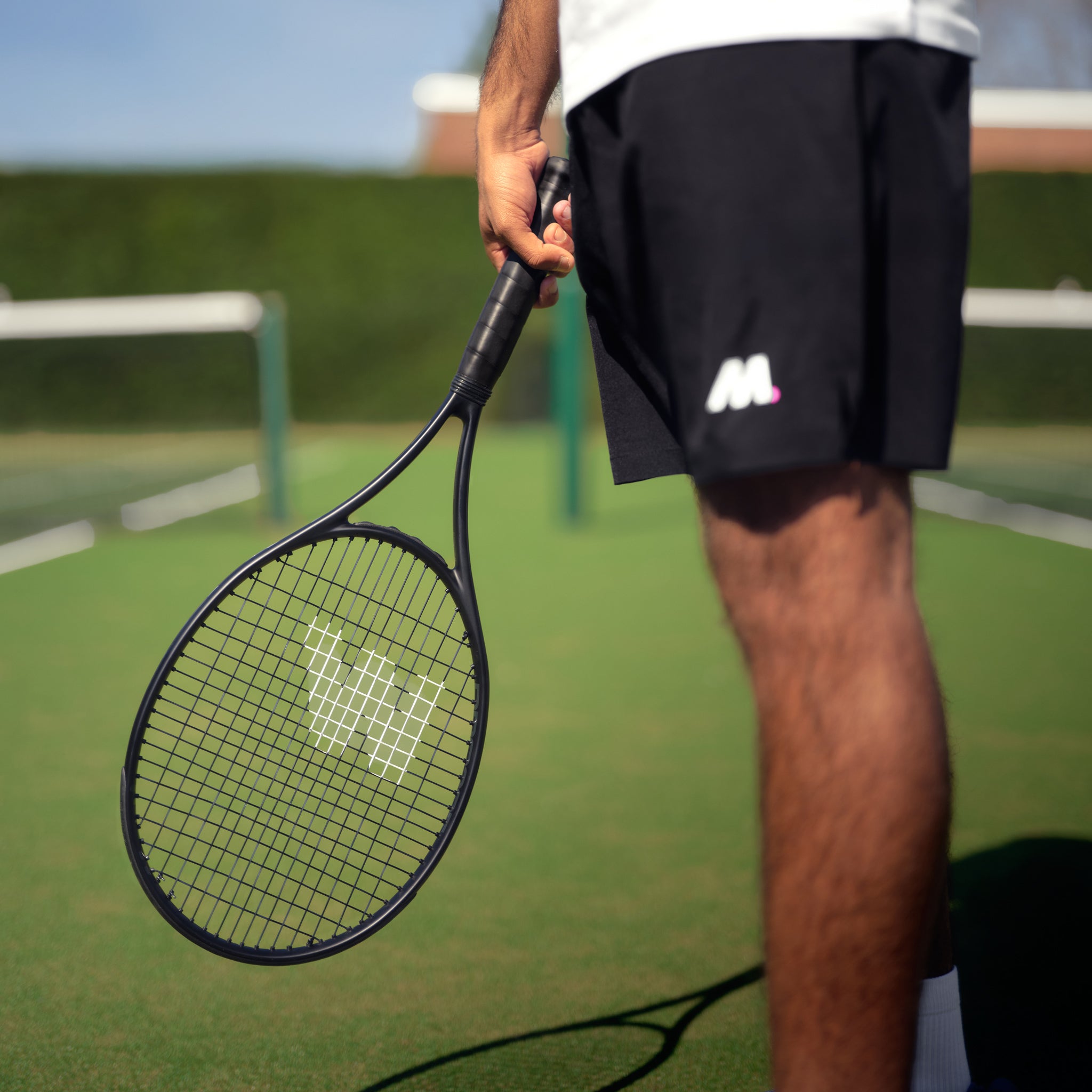
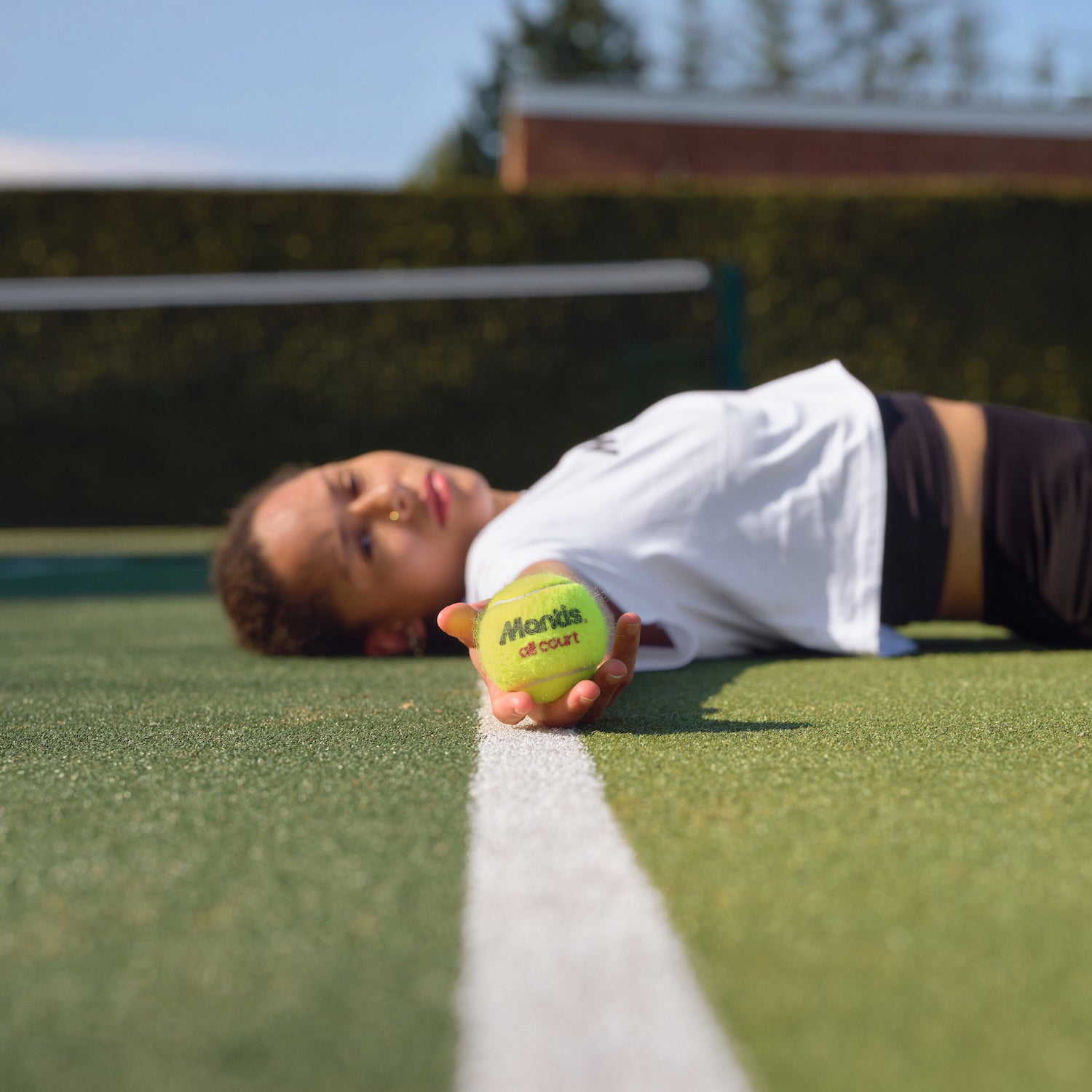






The serve is tennis's most powerful weapon, yet it remains the stroke that club players struggle with most. A well-executed tennis serve drill transforms inconsistency into reliability, turning what feels like a liability into your greatest strength. Whether you're coaching the next generation or grinding through your own technical evolution, dedicated serve practice separates those who simply play from those who genuinely progress.
Why Your Serve Demands Dedicated Practice
The serve is the only stroke in tennis where you have complete control. No opponent dictates the pace, spin, or placement. Yet this autonomy creates unique challenges.
The statistics tell a compelling story. Research shows that the serve has become increasingly crucial in modern tennis, particularly on faster surfaces where holding serve often determines match outcomes. For club players and coaches, this means that time invested in serve training delivers measurable competitive advantages.
A proper tennis serve drill addresses the entire kinetic chain: from your feet through your legs, torso, shoulder, and finally to the racquet head. Break down these components individually, then rebuild them into fluid motion.
The Foundation: Ball Toss Consistency
Your ball toss dictates everything that follows. An erratic toss creates compensatory movements that sabotage power and accuracy.
Here's a targeted drill sequence:
- Stand at the baseline with three tennis balls
- Practice your toss without swinging, letting the ball bounce
- Mark where the ball lands relative to your front foot
- Repeat until five consecutive tosses land within a dinner plate-sized circle
The toss should peak just as your racquet reaches full extension. Understanding proper ball toss mechanics transforms this seemingly simple component into a repeatable strength. For maximum effectiveness, practice with quality balls like Mantis Tour balls that offer consistent bounce and feel.
Progressive Tennis Serve Drill Sequences
Development requires structure. Random hitting won't build muscle memory or expose technical weaknesses.
The Shadow Serve Progression
This tennis serve drill isolates movement patterns without the distraction of ball contact:
- Stage One: Practice your trophy position, holding for three seconds
- Stage Two: Add the toss, freezing at contact point
- Stage Three: Complete the motion in slow motion, emphasizing shoulder rotation
- Stage Four: Gradually increase speed whilst maintaining form
Perform three sets of ten repetitions daily. Film yourself from the side to check alignment and timing. The beauty of shadow serves lies in the feedback loop: you see mistakes immediately without the variable of ball flight.
| Drill Component | Focus Area | Repetitions | Rest Period |
|---|---|---|---|
| Trophy Hold | Stability | 10 | 30 seconds |
| Toss & Freeze | Timing | 10 | 30 seconds |
| Slow Motion | Coordination | 10 | 45 seconds |
| Full Speed | Integration | 10 | 60 seconds |
Target-Based Accuracy Training
Power without placement is wasted energy. This tennis serve drill develops precision under pressure.
Place cones or towels in the service boxes to create specific targets:
Wide serves: Target the intersection of the service line and singles sideline. This forces returners wide, opening the court.
Body serves: Aim for the 'T' where the centre service line meets the service line. These jam opponents and neutralize aggressive returns.
Down the middle: Target the centre service line itself. Safe, high-percentage serves that reduce angles.
Execute twenty serves to each target zone, tracking successful placements. Champions maintain 70% accuracy in practice; aim for this benchmark before progressing. Quality equipment matters here-the right racquet weight and string tension significantly impact control. Consider how different string options affect your serve's bite and spin potential.
The Rhythm and Repetition Method
Serving is rhythmic. Disrupted rhythm creates tension and errors.
This drill builds consistent tempo:
- Set a metronome to 60 beats per minute
- Synchronize your service motion to the beat
- Ball toss on beat one, contact on beat three
- Gradually increase tempo as coordination improves
Complete three sets of ten serves, maintaining synchronization throughout. This tennis serve drill trains your nervous system to reproduce identical timing regardless of match pressure.
Power Development Through Technique
Raw strength contributes to serve velocity, but technique generates exponential gains.
The kinetic chain drill focuses on sequential energy transfer:
- Begin with feet together, eliminating leg drive
- Serve ten balls using only upper body rotation
- Add a small knee bend, then serve ten more
- Progress to full leg drive, comparing velocity
Notice how each addition multiplies power output. This progression teaches you where power originates-not from arm strength, but from ground forces transferred through your core and shoulder.
For those seeking deeper understanding of serve technique fundamentals, examining professional mechanics reveals surprising insights about weight transfer and racquet head acceleration.
Variety: Developing Multiple Serve Types
One-dimensional servers become predictable. Match-level success demands variety.
| Serve Type | Purpose | Key Technique | Practice Ratio |
|---|---|---|---|
| Flat | Power | Minimal spin, high toss | 40% |
| Slice | Width | Sidespin, ball toss right | 30% |
| Kick | Height | Topspin, ball toss behind head | 30% |
This tennis serve drill develops all three serves systematically. Dedicate sessions to specific serve types, then integrate them into randomized practice. Hit two flat serves, one slice, one kick, then repeat. This mirrors match patterns where you vary placement and spin to keep opponents guessing. (RacketBusiness.com is a great resource if you're in need of some coaching)
Mental Rehearsal and Pressure Practice
Physical reps build technique; mental practice builds performance.
Visualization drill: Before bed, mentally execute twenty perfect serves. See the ball toss, feel the shoulder rotation, hear the crisp contact. Research demonstrates that mental rehearsal activates similar neural pathways as physical practice.
Pressure serving: Create artificial pressure in practice. Serve games where missing costs you press-ups or sprints. Alternatively, set consequences-miss your target and restart the drill sequence. This tennis serve drill conditions you to execute under stress, the primary difference between practice courts and match play.
Session Structure for Maximum Improvement
Random practice feels productive but delivers limited results. Structured sessions accelerate progress.
Recommended weekly schedule:
- Monday: Technical work-shadow serves and ball toss drills (30 minutes)
- Wednesday: Target practice and placement drills (45 minutes)
- Friday: Power development and serve variety (45 minutes)
- Sunday: Pressure practice and match simulation (30 minutes)
Between sessions, your neuromuscular system consolidates learning. Overtraining serves leads to diminishing returns and potential injury. Quality always trumps quantity.
Equipment Considerations for Serve Development
Your racquet significantly influences serve effectiveness. Weight, balance, and string setup all matter.
Heavier racquets generate more pace through momentum but demand greater fitness. Lighter frames offer manoeuvrability but reduce natural power. Head-heavy racquets accelerate faster through the hitting zone, whilst head-light options provide superior control.
String tension affects feel and spin. Looser strings (50-54 lbs) generate more power and spin through increased ball dwell time. Tighter setups (56-60 lbs) offer control and precision. Experiment systematically-don't chase perceived advantages without testing against your baseline.
Many dedicated players overlook how proper racquet maintenance influences consistency. Fresh strings maintain tension better, delivering predictable responses that support technical development.
Transforming your serve from weakness to weapon requires systematic practice, intelligent drill selection, and quality equipment that supports your technical development. At Mantis, we craft precision racquets, strings, and balls for players who find joy in the grind of improvement. Explore our range designed for those who show up early, stay late, and understand that every serve is another step in the endless journey of progress.