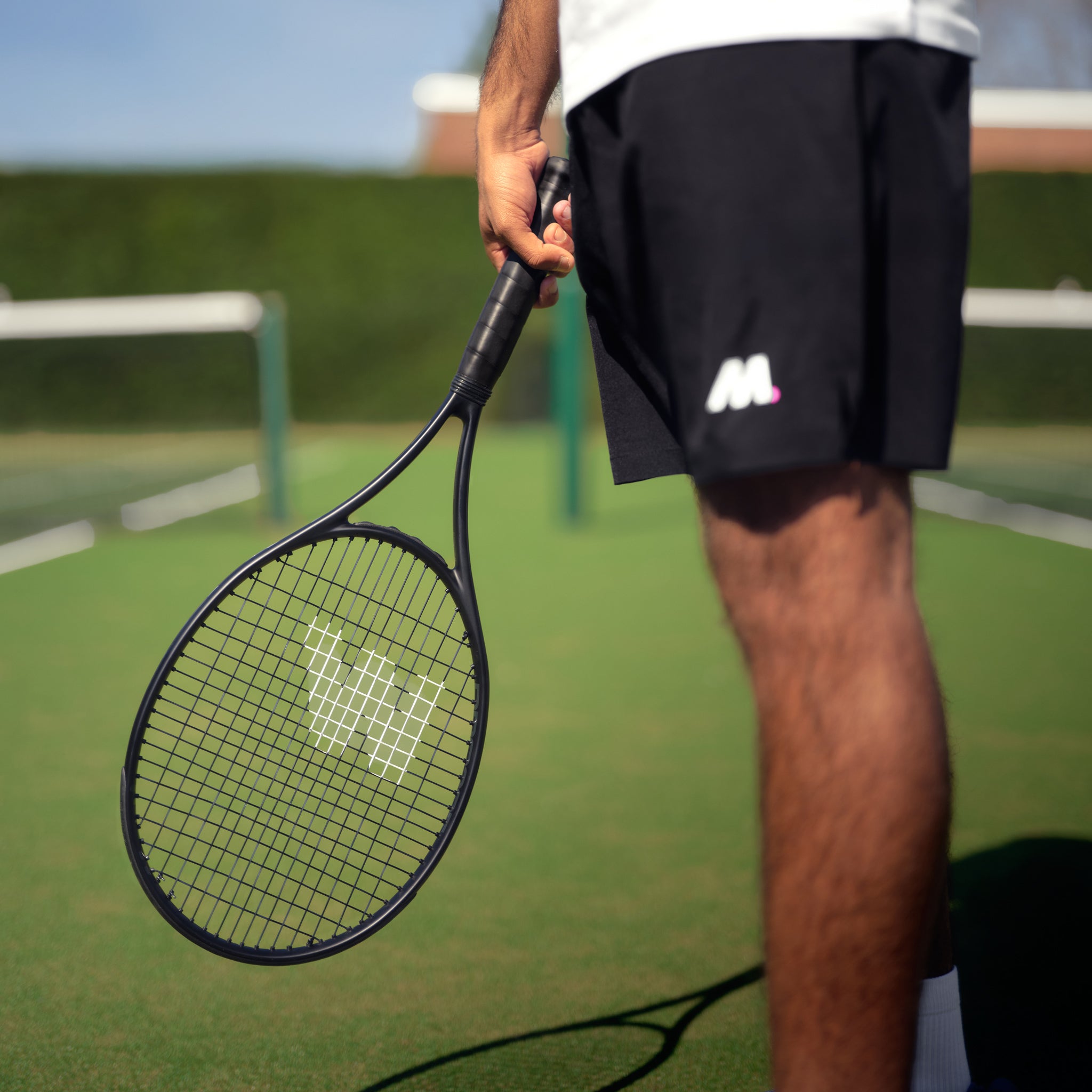
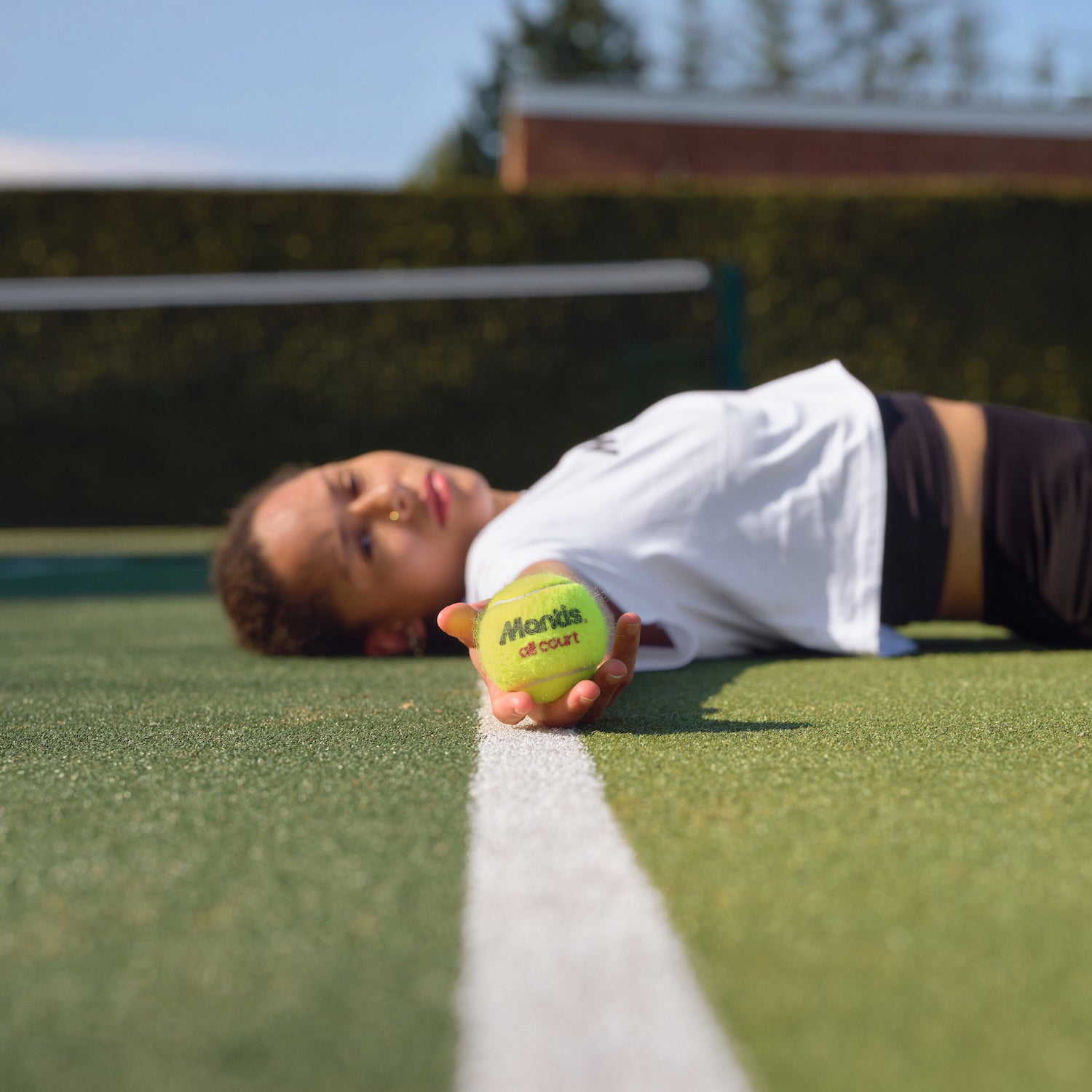






Finding the right equipment for training sessions isn't just about grabbing the cheapest tube at your local sports shop. The balls you practise with shape your muscle memory, influence your technique development, and ultimately determine how effectively you spend those hours on court. Whether you're a club coach running drills with juniors or a dedicated amateur perfecting your groundstrokes after work, understanding what makes practice tennis balls different from match-day options can transform your training.
Why Practice Balls Differ from Match Balls
The demands of practice are fundamentally different from competitive play. You're hitting hundreds of balls in a single session, working on repetitive drills, and possibly using ball machines that require consistent bounce characteristics.
Match balls prioritise:
- Maximum performance for 9-11 games
- ITF-approved specifications
- Pristine felt and optimal pressure
Practice balls prioritise:
- Durability over dozens of sessions
- Cost-effectiveness for bulk purchases
- Consistent performance despite wear
This distinction matters enormously. When you're improving your serve technique, you need balls that behave predictably session after session, not ones that lose their bounce after an hour.
Pressurised vs Pressureless: The Fundamental Choice
Understanding ball construction is essential when selecting the best practice tennis balls. The Lawn Tennis Association provides comprehensive guidance on how different types perform under various conditions.
| Ball Type | Lifespan | Feel | Best For |
|---|---|---|---|
| Pressurised | 2-4 weeks regular play | Authentic match feel | Competitive practice, stroke refinement |
| Pressureless | 6-12 months | Slightly heavier | Ball machines, high-volume drills, coaching |
| Low-compression | Varies by type | Softer, controlled | Junior development, beginners |
Pressurised balls contain internal air pressure that creates that satisfying pop off your racquet. They feel right because they're identical to what you'd use in matches. However, they gradually lose pressure whether you use them or not.
Pressureless balls rely on rubber core construction for bounce. Initially firmer, they actually improve slightly as the felt wears down and the core softens. For coaches working through tennis lessons for beginners, pressureless options offer exceptional value.
Durability Factors That Impact Training Quality
The best practice tennis balls maintain consistent performance characteristics despite repeated impacts. This consistency allows you to develop reliable muscle memory without adapting to deteriorating equipment.
Key durability indicators include:
- Felt quality: Tightly woven felt resists fluffing and maintains aerodynamic properties
- Seam construction: Reinforced seams prevent splitting during intense rallies
- Core resilience: High-grade rubber compounds maintain bounce over time
- Visibility: Colour retention ensures you can track the ball throughout its lifespan
Recent reviews of 2026's best tennis balls emphasise that durability doesn't mean compromising feel. Modern manufacturing techniques produce practice balls that blur the line between training and competition quality.
Court Surface Considerations
Your playing surface dramatically affects ball wear patterns. Hard courts are notoriously abrasive, wearing felt quickly and dulling the ball's response. Clay courts are gentler but create unique demands as particles stick to the felt.
The Mantis Team Pressureless tennis balls are engineered specifically for diverse court surfaces, offering exceptional durability without sacrificing the feedback serious players demand.
Matching Practice tennis balls to Your Training Goals
Not all practice sessions require the same equipment. A thoughtful approach to ball selection can enhance specific aspects of your game.
Technical Development Sessions
When refining groundstroke mechanics or working on spin variation, you need balls that provide accurate feedback. Pressurised balls excel here because they respond authentically to brush strokes and slice technique. The subtle differences in sound and feel help you calibrate your swing path.
High-Volume Repetition Work
Ball machine sessions, basket feeds, and serving practice consume balls rapidly. This is where pressureless options demonstrate their value. You'll maintain consistent bounce across 200 serves without the performance degradation that pressurised balls exhibit.
Junior and Development Programmes
Progression balls create optimal learning environments. The Mantis Red tennis balls, Mantis Orange tennis balls, and Mantis Green tennis balls follow the LTA's staged development approach, allowing young players to build proper technique with appropriately sized equipment.
Research into ball dynamics and racket interactions demonstrates how different ball constructions affect stroke development, particularly during formative training years.
Storage and Care Practices
Even the best practice tennis balls deteriorate prematurely without proper storage. These practices extend usable life significantly:
- Store in pressurised containers or original tubes when possible
- Avoid extreme temperature fluctuations
- Keep balls dry; moisture accelerates felt degradation
- Rotate balls between sessions to distribute wear evenly
- Replace when bounce height drops below 70% of original performance
For clubs and coaches managing large inventories, establishing a rotation system ensures consistent quality. Mark balls with session dates to track age and performance degradation objectively.
Bulk Buying Strategies for Serious Players
Committed players and coaches burn through substantial quantities annually. Strategic purchasing reduces costs whilst maintaining quality standards.
Consider these approaches:
- Case purchases: Buying 12-24 tubes simultaneously often reduces per-ball costs by 20-30%
- Pressureless for volume: Allocate these to ball machine work and drilling, reserving pressurised balls for technical sessions
- Seasonal timing: Purchasing during off-peak periods can yield significant savings
- Quality over quantity: Cheap balls that deteriorate rapidly ultimately cost more per hour of usable practice
Players pursuing online tennis lessons benefit from consistent ball quality, as video analysis requires predictable ball behaviour to evaluate technique accurately.
Performance Testing Your Practice Balls
Establishing objective quality benchmarks helps you maximise value from your practice balls. Simple tests reveal when balls need replacing:
- Bounce test: Drop from 100 inches onto hard surface; should bounce 53-58 inches
- Compression test: Squeeze firmly; excessive softness indicates pressure loss
- Felt inspection: Significant balding or seam separation compromises aerodynamics
- Weight check: Regulation balls weigh 56.0-59.4 grams; significant deviation affects play
Professional coaches often maintain detailed logs tracking ball performance across sessions, identifying the optimal replacement interval for their specific usage patterns. This data-driven approach, discussed in comprehensive practice ball guides, eliminates guesswork from equipment management. Delve deeper into the business of coaching at RacketBusiness.com
Selecting the best practice tennis balls isn't about finding the cheapest option, but rather identifying which construction, durability characteristics, and performance qualities align with your specific training objectives. Whether you're developing juniors, refining your competitive game, or grinding through technical improvements, the right balls make every minute on court more productive. At Mantis, we craft equipment for those who find beauty in the grind, offering balls engineered for players obsessed with progress, not just performance.