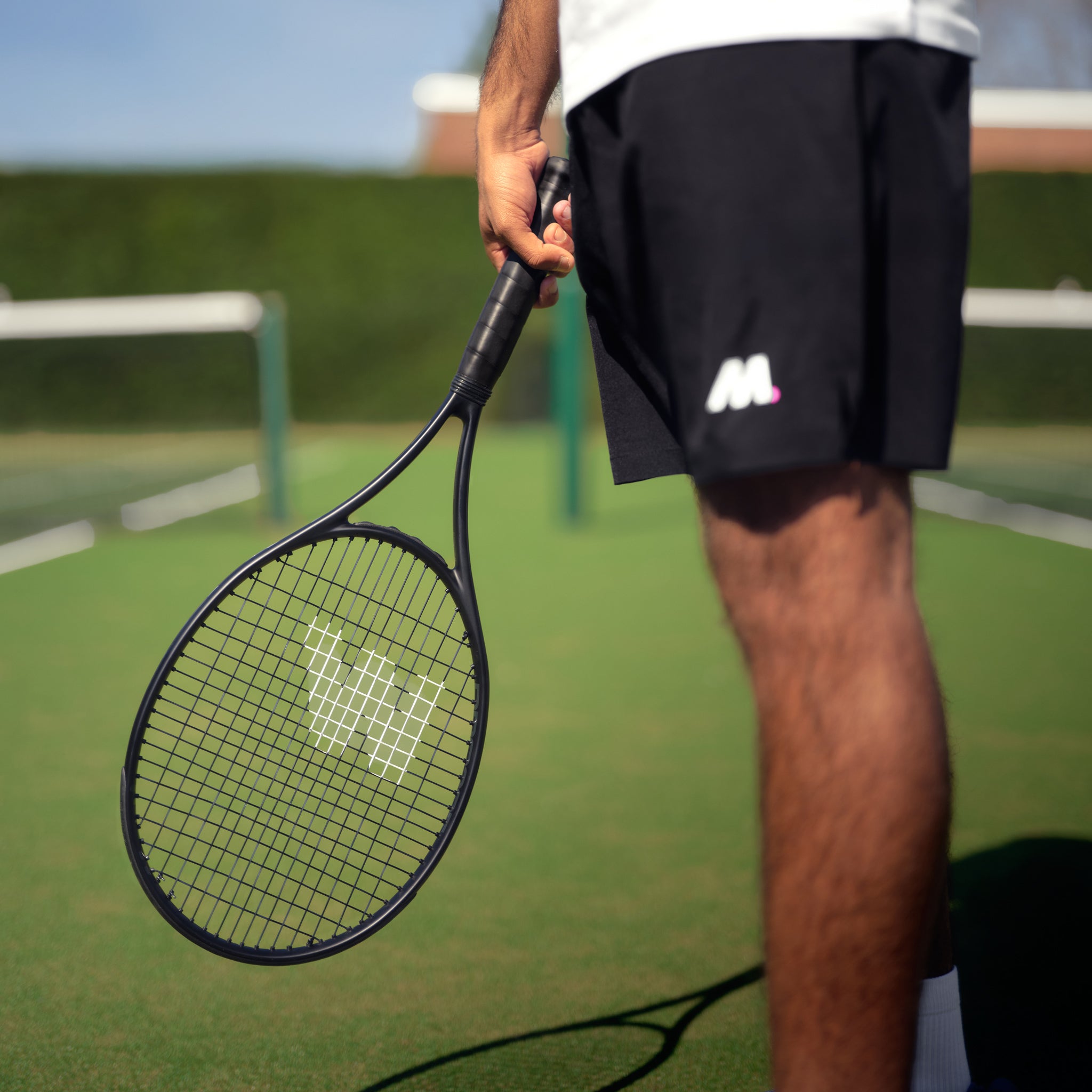
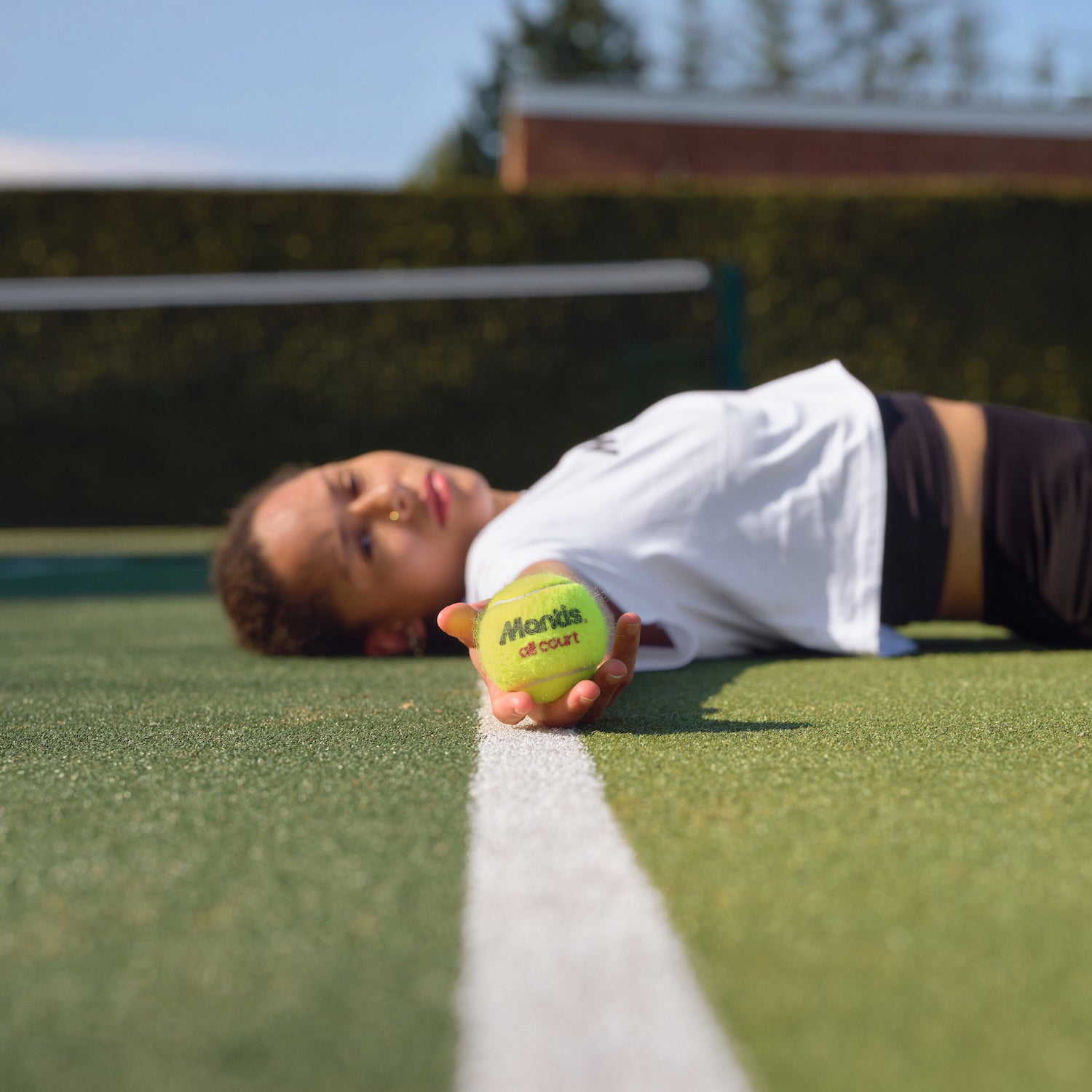






Grass courts demand something different from both player and equipment. The unique characteristics of grass-its low bounce, fast pace, and unpredictable skid-make selecting the right tennis ball crucial for performance and enjoyment. Whether you're training at your local club, coaching the next generation, or simply refining your technique through countless hours of practice, understanding what makes the best tennis balls for grass courts is essential for anyone committed to improving their game on this historic surface.
Understanding How Grass Courts Affect Ball Performance
The science behind tennis ball behaviour on grass is fascinating. Unlike hard courts or clay, grass courts create lower bounces and faster ball movement due to reduced friction and energy absorption. This fundamental difference means not every ball performs equally well on grass.
When a tennis ball strikes a grass surface, several factors come into play:
- Lower bounce height compared to other surfaces
- Faster skid through the court
- Variable behaviour depending on grass length and moisture
- Increased spin reduction upon contact
The composition of modern grass courts has evolved significantly. Since 2002, Wimbledon switched to 100% perennial ryegrass, which has altered how balls interact with the surface. This shift has influenced everything from bounce characteristics to player strategy.
Key Features of the best tennis balls for grass courts
When searching for the best tennis balls for grass courts, specific design elements make all the difference. Premium balls designed for grass typically feature a denser felt composition that withstands the unique demands of the surface whilst maintaining consistent performance.
The felt matters more than most players realise. On grass, balls need to resist moisture absorption from morning dew or light rain whilst providing enough grip for controlled shots. The weave density and fibre quality determine how well a ball maintains its characteristics throughout extended play.
| Feature | Grass Court Benefit | Performance Impact |
|---|---|---|
| Dense felt weave | Moisture resistance | Maintains bounce consistency |
| Premium wool blend | Durability on grass | Extends ball lifespan |
| Precise core pressure | Consistent flight | Reliable shot-making |
| Stain-resistant coating | Visibility maintenance | Better ball tracking |
Bounce Characteristics That Matter
Understanding how tennis balls bounce on grass helps you select balls that complement your playing style. The best tennis balls for grass courts produce a predictable, albeit lower, bounce that allows players to develop rhythm and confidence.
Grass court bounce physics:
- Initial contact creates minimal surface deformation
- Energy dissipates more rapidly than on hard courts
- Horizontal velocity increases relative to vertical bounce
- Spin effectiveness decreases upon landing
For coaches working with developing players, choosing balls with appropriate bounce characteristics helps build proper technique for grass court play. The right ball won't compensate for surface challenges but will provide consistent feedback that aids skill development.
Why Surface Compatibility Drives Performance
The relationship between ball construction and grass court surface compatibility cannot be overstated. Balls engineered specifically for grass feature subtle design variations that enhance their interaction with natural turf.
Consider the pressure regulation within the ball itself. Grass courts demand balls that maintain optimal internal pressure despite temperature fluctuations and the unique impact characteristics of the surface. A ball that performs brilliantly on hard courts may feel dead or unpredictable on grass.
For those building their equipment knowledge, exploring resources like understanding tennis racket specifications can help you appreciate how different gear elements work together to optimise performance.
Selecting Balls for Different Playing Levels
Not every grass court player needs the same ball specification. Your selection should align with your commitment level, playing frequency, and performance expectations.
For club players and regular practitioners:
- Prioritise durability alongside performance
- Look for multi-pack options to support frequent training
- Focus on consistent bounce rather than extreme specifications
- Consider all-weather capabilities for British conditions
For coaches and serious amateurs (you might want to read RacketBusiness.com if you're in the business of coaching):
- Invest in premium construction for reliable training sessions
- Select balls that maintain characteristics across extended use
- Choose options that help players develop proper grass court techniques
- Stock various qualities for different training purposes
The coaching equipment you pair with quality balls creates a complete training ecosystem. Everything from your basket to your teaching tools should reflect the same commitment to excellence that defines your choice in tennis balls.
Practical Considerations for 2026
Modern tennis demands modern solutions. The best tennis balls for grass courts in 2026 incorporate technological advances whilst respecting traditional performance requirements. Manufacturing precision has improved dramatically, resulting in balls with tighter tolerances and more predictable behaviour.
Storage and maintenance tips:
- Keep balls in temperature-controlled environments
- Avoid prolonged exposure to moisture
- Replace balls regularly during intensive training periods
- Monitor pressure consistency before important sessions
For those who train extensively, managing ball inventory becomes part of your preparation routine. Like ensuring your tennis strings are fresh, maintaining a supply of quality balls demonstrates professionalism and commitment.
Making Your Final Decision
Choosing the best tennis balls for grass courts ultimately comes down to matching product characteristics with your specific needs. Consider your playing frequency, performance requirements, and budget constraints when making your selection.
The beauty of grass court tennis lies in its demanding nature. Every bounce, every skid, every unpredictable moment teaches you something about the game and yourself. Your ball choice should support that learning process rather than hinder it.
Questions to ask before purchasing:
- How many hours per week will these balls see action?
- What weather conditions will I typically encounter?
- Am I prioritising economy or peak performance?
- How quickly do I currently wear through tennis balls?
Remember that the serve has become increasingly crucial in modern tennis, particularly on fast surfaces like grass. Quality balls that respond predictably to toss and strike help you develop the reliable service technique that wins matches.
For players building a complete grass court game, exploring resources like tennis serve technique alongside equipment selection creates a holistic approach to improvement. Every element-from your racquet to your balls to your technique-contributes to your progress on court.
The Investment in Quality
Premium tennis balls represent more than just another purchase-they're an investment in your development as a player. When you're putting in the hours, grinding through practice sessions, and chasing marginal gains, equipment that performs consistently becomes invaluable.
The best tennis balls for grass courts won't transform your game overnight, but they will provide the reliable foundation upon which improvement is built. They'll bounce predictably, wear evenly, and maintain their characteristics through the demanding conditions that grass court tennis presents.
Your commitment to quality equipment reflects your commitment to the sport itself. It demonstrates that you're not just playing tennis-you're pursuing excellence in a lifelong journey of development and refinement.
Selecting the best tennis balls for grass courts requires understanding how surface characteristics influence performance and choosing specifications that match your playing style and commitment level. Whether you're a dedicated amateur grinding through training sessions or a coach developing the next generation of players, quality equipment forms the foundation of meaningful progress. At Mantis, we craft gear for those who see tennis as more than a game-it's a pursuit that demands precision, dedication, and uncompromising quality in every piece of equipment you bring to court.