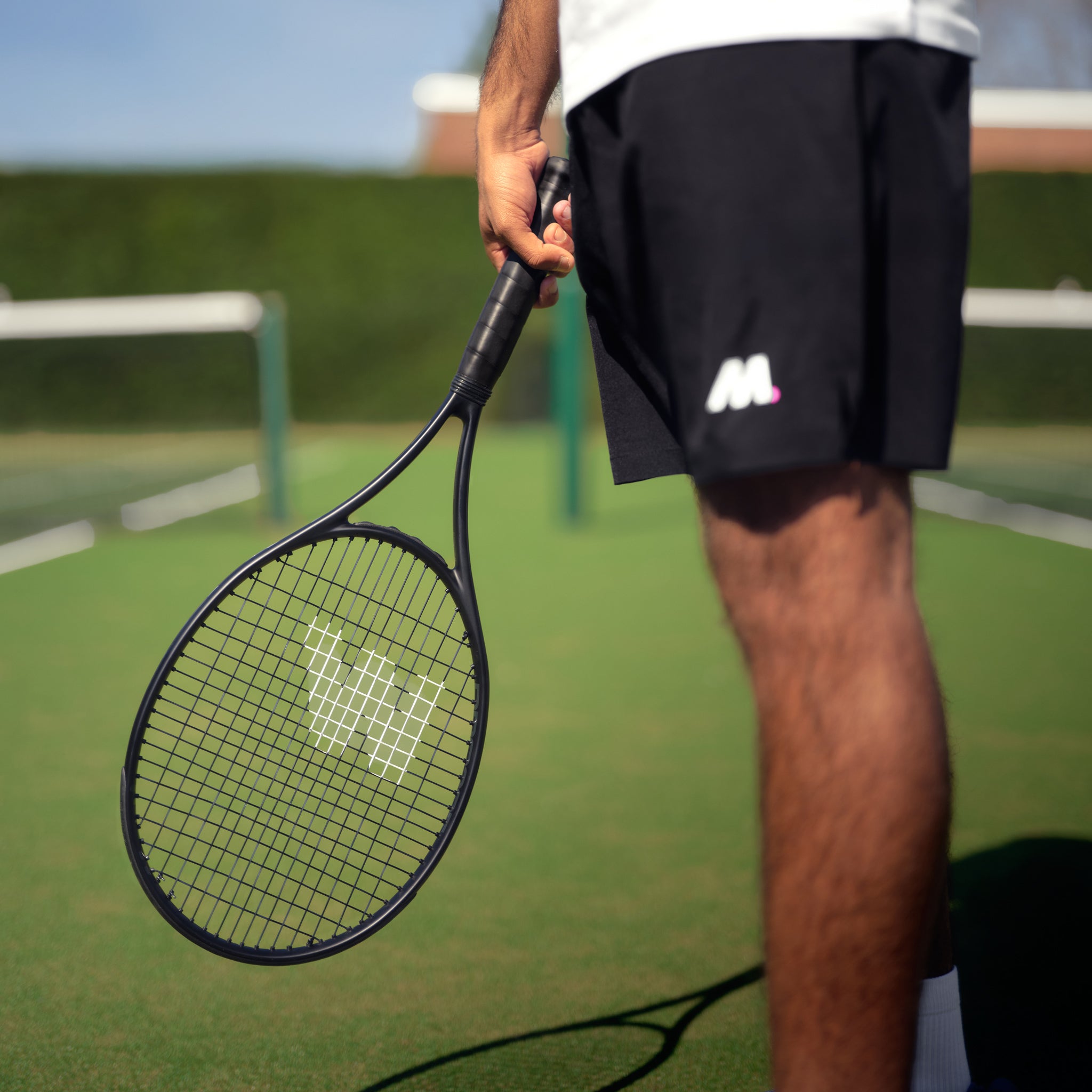
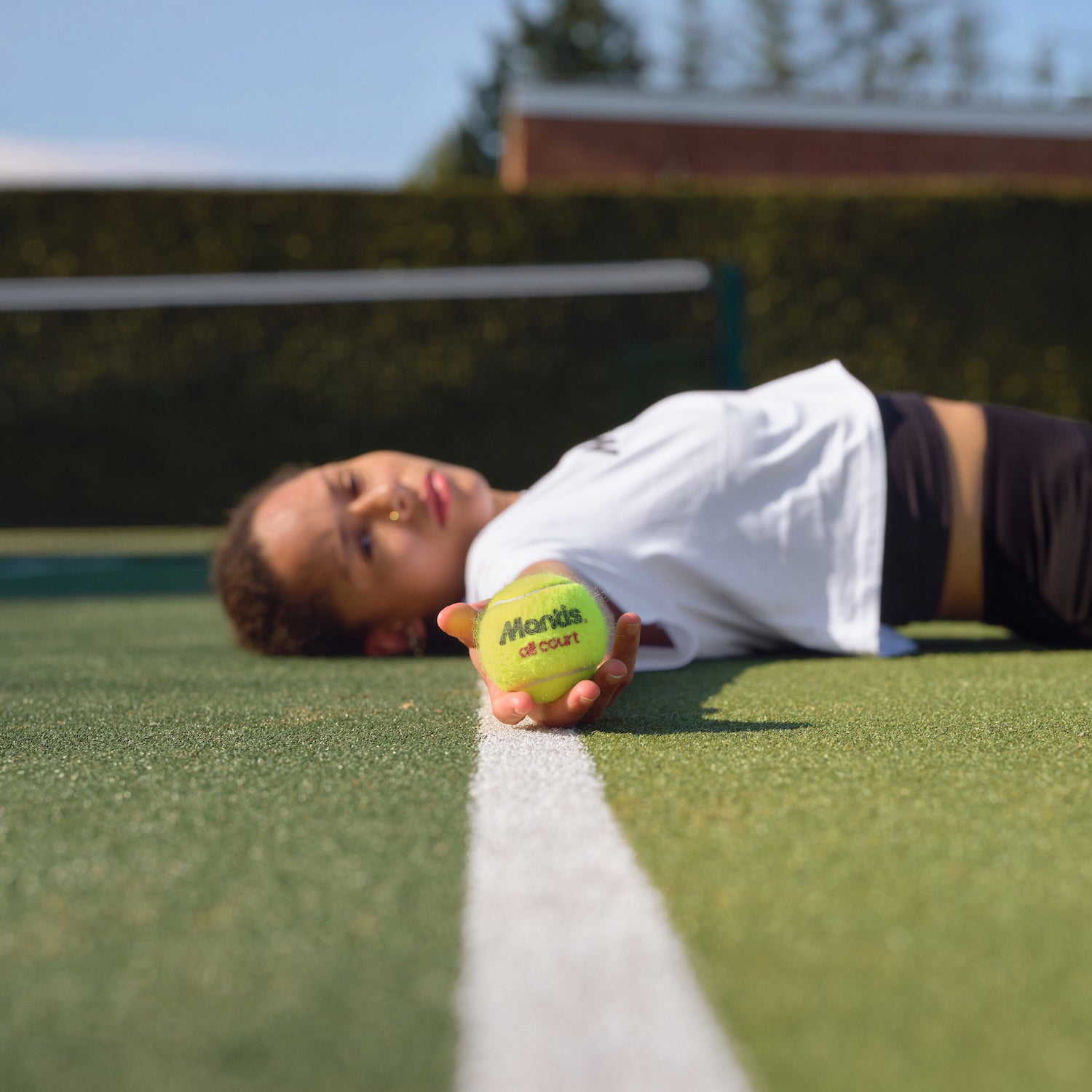






There's something thrilling about watching a player charge the net with purpose, racket poised, ready to put away a volley before their opponent can blink. The serve and volley tennis approach represents one of the sport's most aggressive and technically demanding strategies. Yet walk onto most club courts today, and you'll rarely see players employing this once-dominant tactic. Understanding why this style has faded, and how it can still elevate your game, reveals much about tennis's evolution and the opportunities that remain for those willing to embrace the challenge.
The Fundamentals of an Attacking Strategy
Serve and volley tennis is exactly what it sounds like: a player serves, then immediately rushes forward to hit a volley at the net. This offensive playing style demands precise timing, quick footwork, and nerves of steel.
The strategy relies on three critical components:
- A powerful, well-placed serve that forces a weak return
- Explosive movement forward during the opponent's swing
- Confident volleying skills to finish the point at the net
Players who master this approach put constant pressure on their opponents. There's no time to settle into a rhythm when someone's bearing down on the net after every serve. The psychological impact is just as significant as the tactical advantage.
Why Equipment Matters for Net Rushers
The demands of serve and volley tennis extend to your equipment choices. A racket needs to offer both power on the serve and manoeuvrability at the net. Understanding tennis racket specifications becomes crucial when you're switching rapidly between baseline power and net precision.
Weight distribution affects how quickly you can prepare for volleys. Head-light rackets typically suit this style better, allowing for faster racket preparation when you're closing on the net.
The Serve and Volley Tennis Golden Era and Its Champions
During the 1980s and 1990s, serve and volley tennis dominated professional play. Grass courts at Wimbledon became theatres for net-rushing specialists who turned every service game into an offensive masterpiece.
| Champion | Playing Surface | Signature Strength |
|---|---|---|
| Pete Sampras | Grass/Hard | Explosive serve + crisp volleys |
| Stefan Edberg | All surfaces | Touch volleys + slice serve |
| Boris Becker | Grass | Diving volleys + aggressive returns |
| Martina Navratilova | Grass | Net dominance + tactical awareness |
These players didn't just use the tactic occasionally. They built entire careers around charging the net, developing reflexes and touch that seemed almost supernatural.
Why the Style Disappeared from Modern Tennis
Walk into any professional tournament today, and you'll struggle to find pure serve-and-volley practitioners. The decline stems from multiple factors that fundamentally changed the game's landscape.
Technological evolution transformed rackets and strings. Modern equipment generates tremendous topspin from the baseline, making passing shots more effective than ever. When opponents can whip the ball past you with heavy spin, net rushing becomes significantly riskier.
Changes in court surfaces also played a pivotal role. Even Wimbledon's grass, once lightning-fast and perfectly suited to serve-and-volley play, now plays slower. This shift reflects in the composition changes that favour baseline grinding over net rushing.
The importance of the serve in modern tennis has paradoxically moved away from serve-and-volley tactics. Players now use bigger serves to set up groundstroke dominance rather than as a launching pad for net approaches.
The Physical Demands Nobody Talks About
Charging the net repeatedly places enormous strain on your body. The explosive movements, sudden stops, and quick directional changes test knee joints and ankles with every point.
This physical toll partly explains why even talented net players eventually retreat to the baseline. The grind of professional tennis favours those who can sustain baseline rallies across five-set matches.
Opportunities for Club Players and Coaches
Here's the exciting part: the decline of serve and volley tennis at the professional level creates opportunities for club players. When opponents rarely face net rushers, they're often unprepared for the pressure it creates.
Different tennis playing styles each have strengths and weaknesses. By developing serve-and-volley skills, you add an unpredictable dimension to your game that can unsettle even stronger baseline players.
Coaches should consider these teaching points:
- Start with simple approach shots before adding the serve element
- Focus on split-step timing as the opponent strikes the ball
- Emphasise first volley placement over power
- Build confidence through repetition and controlled drills
The beauty of this approach lies in its surprise factor. Most club players spend hours practising groundstrokes but little time defending against net attacks. Racket Business is a great resource and popular with many coaches especially if you're interested in getting insight into the tennis industry
Technical Mastery Through Dedicated Practice
Developing effective serve and volley tennis requires breaking down the sequence into manageable components. You can't simply decide to rush the net and expect success.
Your serve technique forms the foundation. A kick serve to the backhand often works brilliantly, forcing a floating return that's easy to volley. Slice serves out wide on the deuce court create similar opportunities.
The approach sprint demands specific footwork:
- Push off explosively after the serve
- Take small adjustment steps as you near the service line
- Execute a split-step just as your opponent's racket contacts the ball
- Move forward and slightly toward the anticipated return direction
We've found that tennis footwork drills specifically designed for net approaches dramatically improve success rates. The difference between arriving at the net in control versus off-balance often determines the point's outcome.
The First Volley Philosophy
Many players misunderstand the first volley's purpose. It's not about hitting a winner. Your goal is securing position and forcing a difficult next shot from your opponent.
Aim for depth and consistency with that first volley. A deep ball to the backhand corner typically works wonders, as it limits your opponent's angles whilst giving you time to close even further toward the net.
Equipment Considerations for the Modern Net Player
The relationship between your gear and success at the net deserves careful thought. Choosing a tennis racket suited to your playing style makes the difference between consistent volleying and frustrating mishits.
String tension particularly affects feel at the net. Lower tensions provide more power but less control, whilst higher tensions offer precision for touch volleys. Many serve-and-volley specialists prefer moderate tensions around 52-56 pounds, balancing power and feel.
| Equipment Element | Baseline Focus | Serve-Volley Focus |
|---|---|---|
| Racket Weight | Heavier (310-330g) | Lighter (285-305g) |
| Balance Point | Even/Head-heavy | Head-light |
| String Tension | Higher (56-60 lbs) | Moderate (52-56 lbs) |
| String Pattern | Dense (18x20) | Open (16x19) |
These specifications aren't absolute rules. They represent starting points for experimentation based on your specific needs and preferences.
Doubles: Where Serve and Volley Thrives
Whilst singles players have largely abandoned serve and volley tennis, the tactic remains fundamental to successful doubles play. The shorter court dimensions and presence of a net partner make serve-and-volley not just viable but necessary.
Tennis doubles strategy revolves around controlling the net. The serving team should both end up at the net as quickly as possible, with the server following their delivery forward.
Doubles serve-and-volley differs from singles in key ways:
- Your partner provides coverage for one side of the court
- You can take more risks with first volley placement
- Communication becomes paramount for poaching opportunities
- Return pressure is often greater, requiring sharper volleys
Practising serve-and-volley in doubles builds skills that translate back to singles play. The confidence gained from successful net exchanges carries over when you decide to rush forward in singles matches.
Training Your Mind for Net Pressure
The psychological component of serve and volley tennis separates those who attempt it from those who execute it successfully. Charging the net requires commitment and courage.
Hesitation kills this strategy. Half-hearted approaches leave you stranded in no-man's-land, vulnerable to opponents' feet. You must decide before serving that you're going forward, then execute with conviction.
Visualisation helps tremendously. Picture yourself moving forward smoothly, anticipating the return direction, and putting away a crisp volley. Mental rehearsal builds the neural pathways that make execution feel natural under pressure.
Serve and volley tennis may have faded from professional courts, but its tactical brilliance and attacking philosophy remain valuable for dedicated players willing to develop this demanding skill. At Mantis, we understand that true progress comes from exploring every dimension of the sport, from baseline grinding to aggressive net play. Our precision-crafted rackets support players who refuse to follow the crowd, providing the equipment foundation you need to attack the net with confidence and control.