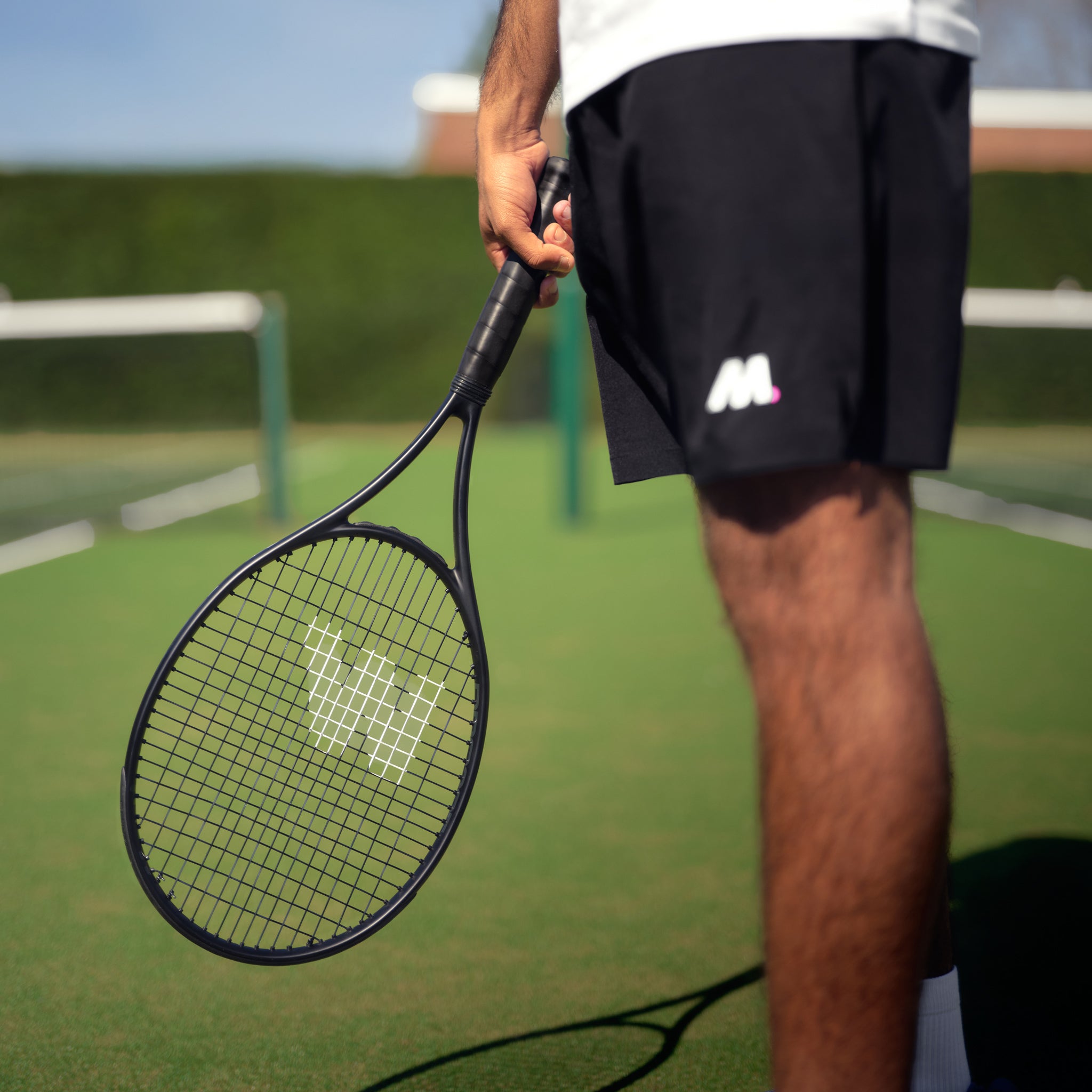







The gap between merely playing tennis and truly mastering it often comes down to what happens off the court. Every powerful serve, explosive baseline movement, and lightning-quick recovery stems from a foundation built through dedicated physical preparation. For coaches shaping club juniors and amateurs grinding through weekly matches, understanding tennis strength and conditioning becomes the difference between marginal gains and transformative progress.
Why Physical Preparation Defines Modern Tennis
Tennis demands an extraordinary combination of attributes that few sports can match. You need the explosive power of a sprinter, the endurance of a marathon runner, and the flexibility of a gymnast-all whilst maintaining perfect technique under pressure.
Research shows that effective strength and conditioning reduces injury risk by up to 50% whilst simultaneously improving court coverage and shot power. The modern game moves faster than ever, with baseline rallies requiring constant directional changes and acceleration. Without proper physical development, even the most refined technique crumbles under competitive pressure.
Key physical demands in tennis include:
- Explosive lateral movements repeated hundreds of times per match
- Rotational power for serving and groundstrokes
- Deceleration strength to change direction rapidly
- Upper body stability for consistent ball striking
- Mental resilience built on physical confidence
The beauty of tennis strength and conditioning lies in its accessibility. You don't need elite facilities or expensive equipment to begin developing these qualities-just commitment and intelligent programming.
Building Foundational Strength for Court Performance
Strength forms the bedrock of every successful tennis strength and conditioning programme. But we're not talking about bodybuilding or powerlifting here. Tennis-specific strength means developing force production that translates directly to match situations.
Lower Body Power Development
Your legs generate approximately 50% of the power in your groundstrokes and over 40% in your serve. Without lower body strength, you're leaving significant performance on the table.
| Exercise Type | Primary Benefits | Weekly Frequency |
|---|---|---|
| Squats & Lunges | Bilateral strength, knee stability | 2-3 sessions |
| Single-leg work | Balance, injury prevention | 2 sessions |
| Plyometrics | Explosive power, court speed | 1-2 sessions |
| Deadlift variations | Posterior chain, acceleration | 1-2 sessions |
Romanian deadlifts, Bulgarian split squats, and box jumps should feature prominently in your training calendar. These movements mirror the loading patterns experienced during matches whilst building resilience against common tennis injuries.
Core and Rotational Strength
The Martin Method 9 Threads approach emphasises rotational control as paramount for tennis athletes. Your core doesn't just prevent injury-it acts as the critical link transferring power from your legs through your torso and into your racket.
Medicine ball throws, Pallof presses, and anti-rotation exercises develop this vital quality. Dedicate at least 15 minutes of every training session to targeted core work. The investment pays dividends when you're crushing forehands in the fifth game of a third set.
Conditioning for Match Endurance
Tennis strength and conditioning programmes must address the sport's unique energy demands. Matches combine short bursts of maximum intensity with brief recovery periods, repeated for potentially hours.
High-performance programmes typically structure conditioning around work-to-rest ratios that mirror match play. Think 20-30 second intervals of high-intensity movement followed by 10-20 seconds of active recovery.
Effective conditioning protocols include:
- Court sprints (baseline to baseline, side to side)
- Interval training on bikes or rowers
- Rally simulation drills with feeding
- Multi-directional agility sequences
- Progressive long-duration cardio sessions
The goal isn't simply building a bigger engine. You're developing the specific energy systems required to maintain shot quality and tactical awareness when fatigue sets in during crucial moments.
Injury Prevention Through Movement Quality
Perhaps the most underappreciated aspect of tennis strength and conditioning involves movement preparation and injury mitigation. Shoulder issues, tennis elbow, and knee problems plague players at every level-yet many of these injuries are entirely preventable through intelligent training.
Shoulder stability work proves particularly crucial. Rotator cuff exercises, scapular control drills, and proper serving mechanics reduce overuse injuries that sideline thousands of players annually. For those already managing elbow discomfort, pairing strength work with the right equipment choices creates a comprehensive solution.
Dynamic warm-ups deserve equal attention. Spending 10-15 minutes properly preparing your body for training or matches through movement-based preparation activates key muscle groups whilst improving range of motion. Skip this, and you're playing Russian roulette with your health.
Programming Tennis Strength and Conditioning Throughout the Year
Periodisation separates effective programmes from random exercise selection. Your training should evolve based on competitive demands, progressively building fitness during the off-season and maintaining it through competition periods.
| Training Phase | Duration | Primary Focus | Intensity Level |
|---|---|---|---|
| Off-Season | 8-12 weeks | Maximum strength, conditioning base | High volume |
| Pre-Competition | 4-6 weeks | Power development, speed work | Moderate-high |
| Competition | Variable | Maintenance, recovery emphasis | Low-moderate |
| Transition | 2-4 weeks | Active recovery, movement quality | Very low |
Professional conditioning coaches recommend two to three strength sessions weekly during competition phases, scaled down from four to five during off-season blocks. This approach maintains gains whilst preventing excessive fatigue that compromises match performance.
Quality equipment supports this journey. Training with precision-crafted rackets ensures your physical development translates efficiently to improved on-court results, whilst consistent ball quality during practice maintains the proper feedback loop between training and performance.
Implementing Practical Training Strategies
Theory means nothing without application. Starting a tennis strength and conditioning programme requires honest assessment of current fitness levels, clear goal-setting, and progressive implementation.
Begin with bodyweight movements-squats, lunges, press-ups, and planks. Master these fundamental patterns before adding external load. Many players rush toward complex exercises without establishing proper movement foundations, creating injury risk and limiting long-term progress.
Week-by-week implementation guide:
- Weeks 1-2: Movement assessment, bodyweight mastery, establishing habits
- Weeks 3-4: Introduction of external loads, basic plyometrics
- Weeks 5-8: Progressive overload, sport-specific power development
- Weeks 9+: Periodised training based on competition schedule
Track your progress obsessively. Record weights lifted, times achieved, and how you feel. This data reveals patterns, highlights improvements, and keeps motivation high during grinding phases when progress feels invisible.
The key lies in consistency-mediocre programming executed perfectly beats perfect programming executed sporadically.
Physical preparation separates committed players from casual participants, transforming potential into tangible results through dedicated work away from the spotlight. At Mantis, we understand that true progress demands both quality equipment and the physical foundation to use it effectively. Explore our range of precision-engineered gear designed for players who embrace the grind, and discover what's possible when preparation meets opportunity at Mantis.