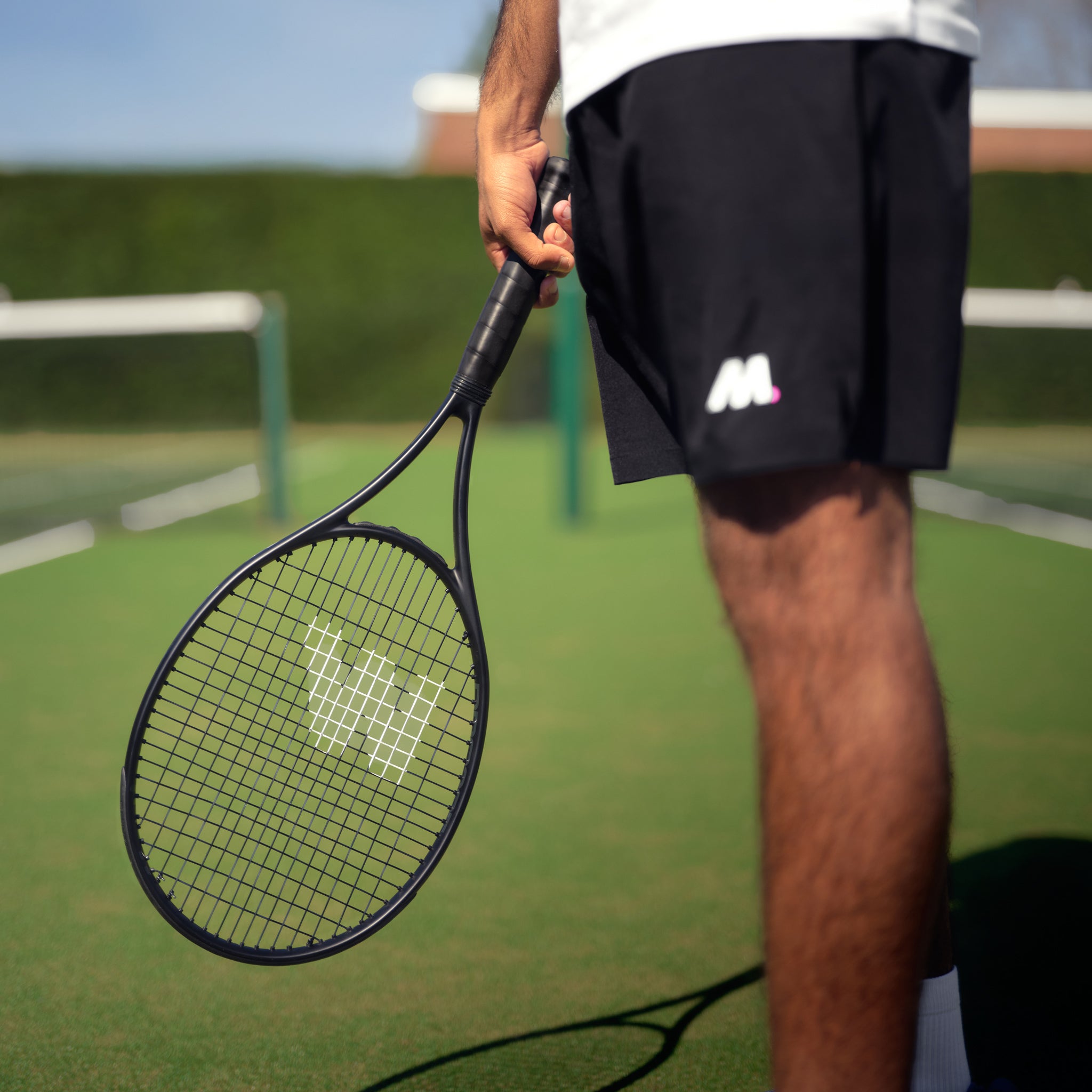
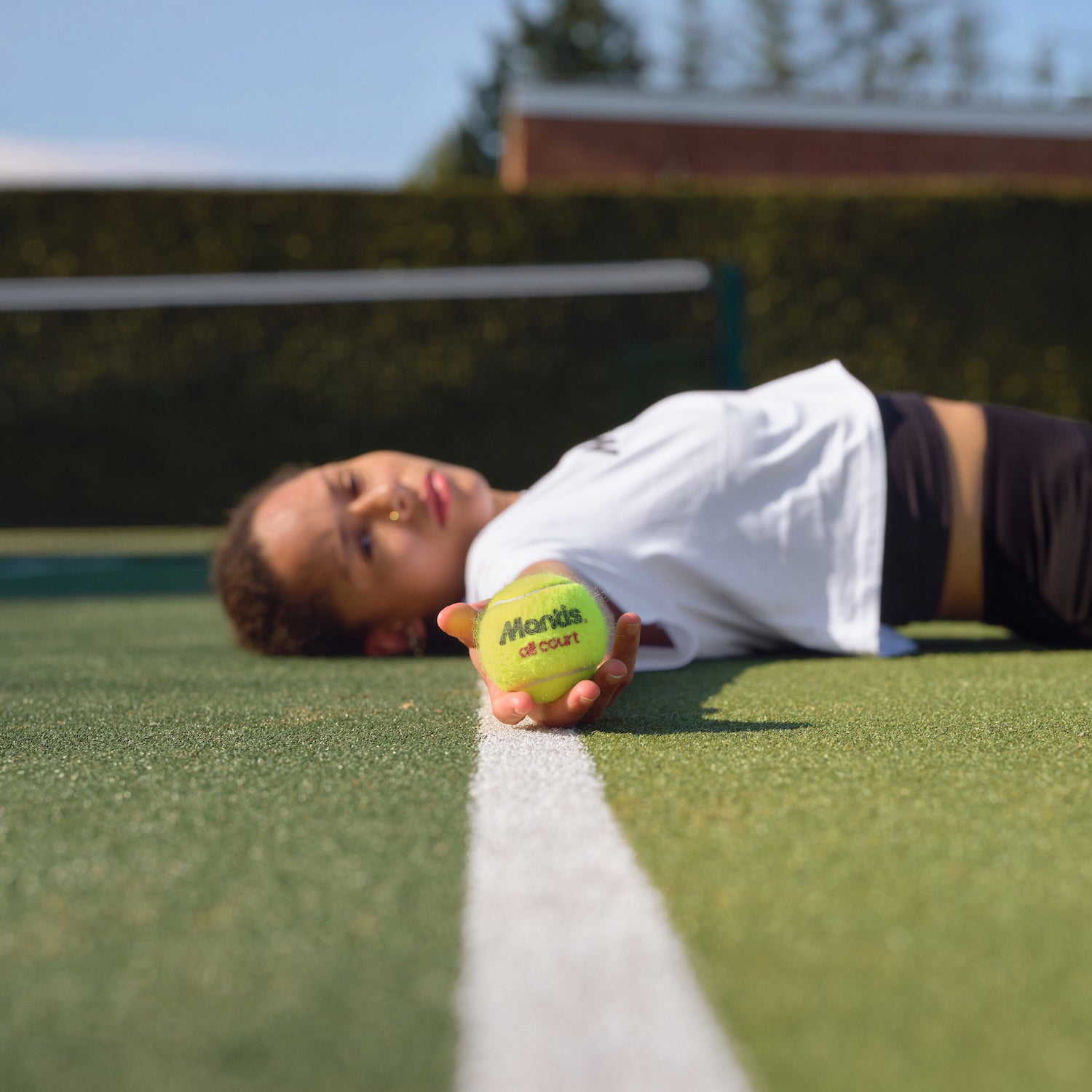






The forehand is often the first weapon beginners develop on their tennis journey, and for good reason. It's the most natural stroke for most players, the one you'll rely on throughout your time on court, and the foundation upon which all other skills are built. But raw talent only gets you so far-structured practice with purposeful forehand tennis drills for beginners transforms potential into performance. Whether you're a coach guiding the next generation or an amateur committed to improving your game, understanding which drills deliver results makes all the difference. Let's explore the training methods that turn hesitant swings into confident, repeatable strokes.
Why Structured Practice Matters for Your Forehand
Many beginners make the mistake of simply hitting hundreds of balls without clear objectives. This approach might feel productive, but it rarely leads to lasting improvement.
Deliberate practice through well-designed forehand tennis drills for beginners creates muscle memory faster and more reliably than unfocused hitting sessions. Each drill should target specific elements-footwork, contact point, swing path, or follow-through-allowing your brain and body to build connections that become automatic over time.
We believe the real beauty of tennis lies in these quiet moments of focused improvement. Not every session needs to be glamorous; progress often happens when you're repeatedly working on the fundamentals until they feel second nature.
The Building Blocks of Technique
Before diving into specific exercises, let's identify what makes a solid forehand stroke:
- Balanced stance with knees slightly bent
- Unit turn where shoulders rotate together
- Low-to-high swing path creating natural topspin
- Contact point in front of your body
- Complete follow-through finishing over the opposite shoulder
These elements work together like instruments in an orchestra. Isolate one element, perfect it, then integrate it back into the full motion.
Court Position Drills That Build Consistency
Starting with proper positioning and movement patterns creates a stable foundation for everything that follows. Nick Bollettieri's classic approach emphasises body rotation and target accuracy, principles that remain relevant in 2026.
The service line progression drill is brilliant for beginners. Start at the service line and rally with a partner or coach, focusing entirely on clean contact and controlled follow-through. The shortened distance removes pressure, allowing you to groove your technique without worrying about power.
Once you're consistently finding the sweet spot, move back incrementally. First to the baseline, then perhaps a step behind it. This gradual progression builds confidence whilst maintaining technical quality.
| Drill Position | Primary Focus | Success Metric |
|---|---|---|
| Service Line | Contact point, timing | 10 consecutive rallies |
| Mid-court | Swing path, rotation | 15 consecutive rallies |
| Baseline | Full technique, footwork | 20 consecutive rallies |
At Mantis, we've witnessed countless players breakthrough by embracing this patient, progressive approach rather than rushing to hit winners from day one.
Target Practice for Precision Development
Accuracy separates recreational players from committed amateurs who continuously improve. Setting up target zones within the court transforms mindless hitting into purposeful practice.
Cross-Court Forehand Tennis Drills
Place markers (cones, towels, or even water bottles) in the deuce court's far corner. Your goal: land ten consecutive forehands within this target zone. This drill develops:
- Directional control
- Consistency under pressure
- Strategic thinking about court geometry
Start with larger target areas and gradually reduce them as your accuracy improves. The beauty of this exercise is its scalability-advanced players can use the same framework with more demanding targets.
Recovery footwork becomes crucial here. After each shot, return to a balanced ready position at the centre of the baseline. Many beginners hit their shot and remain stationary, but tennis is constant movement and adjustment.
Figure Eight Drills for Dynamic Movement
Movement patterns distinguish players who merely know the stroke from those who can execute it under match conditions.
Your coach or practice partner feeds balls alternating between wide forehand and short forehand positions. You trace a figure-eight pattern around two markers, simulating realistic court coverage whilst maintaining stroke quality. This mirrors actual match situations where you're constantly moving, adjusting, and recovering.
Key elements to maintain during this drill:
- Split step before each feed
- Explosive first step toward the ball
- Balanced contact despite movement
- Quick recovery back to neutral position
- Controlled breathing throughout
After working through various ground stroke patterns, including forehand open stance variations, you'll notice improved court awareness and shot selection.
Wall Practice for Solo Training
Not everyone has constant access to a partner or coach, making wall practice invaluable. A solid wall becomes your most patient practice partner, returning every ball without complaint.
The rhythm rally against a wall develops timing and consistency. Stand about 3 metres back and maintain a continuous rally, focusing on smooth, repeating swings rather than power. Count your consecutive hits and try to beat your personal record each session.
For those exploring online tennis instruction to complement court time, wall drills provide the perfect opportunity to apply new concepts immediately. Film yourself occasionally to check technique-your phone becomes a valuable coaching tool.
Progressive Depth Control Training
Once you've developed basic consistency, controlling depth becomes the next frontier. Forehand tennis drills for beginners often neglect this dimension, yet it's critical for match play.
Divide your practice sessions into three depth zones:
- Short balls landing near the service line
- Mid-court balls landing between service line and baseline
- Deep balls landing within one metre of the baseline
Practice hitting ten consecutive balls to each zone before moving to the next. This drill develops feel and teaches you how swing speed, topspin, and trajectory affect where balls land. Understanding tactical applications of depth control transforms your strategic thinking.
Topspin Development Exercise
Incorporating topspin early prevents developing a flat hitting style that limits future progress. Building proper topspin technique through dedicated exercises creates a reliable foundation.
The brush-up drill emphasises the low-to-high swing path that generates topspin. Ask your partner to drop feed balls from waist height. Focus entirely on brushing up the back of the ball with a relaxed wrist, forgetting about power or even where the ball lands initially. Once the brushing action feels natural, gradually incorporate it into full swings.
Feed-Based Pattern Training
Working with a coach or knowledgeable partner who provides consistent feeds accelerates improvement dramatically. The three-ball sequence drill creates realistic rally patterns:
Ball one: Cross-court to your forehand Ball two: Down the line to your backhand Ball three: Short ball to your forehand
This sequence trains shot selection, footwork transitions, and the ability to execute your forehand from different positions. Run this pattern ten times, then switch to different sequences. Variety prevents autopilot hitting whilst building adaptability.
For coaches working with younger players, age-appropriate progressions ensure drills remain engaging whilst building proper technique. (Racket Business is an industry resource perfect for coaches looking for deeper insight). Balloon forehands and modified equipment help children develop feel before introducing full-speed training.
Measurement and Progress Tracking
What gets measured gets improved. Dedicated players keep training journals noting:
- Consecutive rallies achieved
- Target accuracy percentages
- Technique focus for each session
- Energy levels and mental state
This data reveals patterns and demonstrates progress that might feel invisible day-to-day. After six weeks of consistent forehand tennis drills for beginners, reviewing your journal often shows remarkable improvement.
We've found that players who track their progress maintain motivation more effectively than those who simply show up and hit. The process itself becomes rewarding when you can see measurable advancement.
Creating sustainable practice routines requires both mental discipline and physical commitment. The right equipment also plays a supporting role-having a racquet that suits your current level prevents unnecessary frustration whilst you develop foundational skills.
Building a reliable forehand through dedicated practice transforms your entire game, creating confidence that extends to every other aspect of your tennis. Whether you're a coach developing juniors or an amateur pursuing personal excellence, these drills provide the roadmap for genuine, lasting improvement. At Mantis, we craft precision equipment for players who find joy in the grind and beauty in the process-because every practice session, every drill, and every small improvement is part of your lifelong tennis journey.