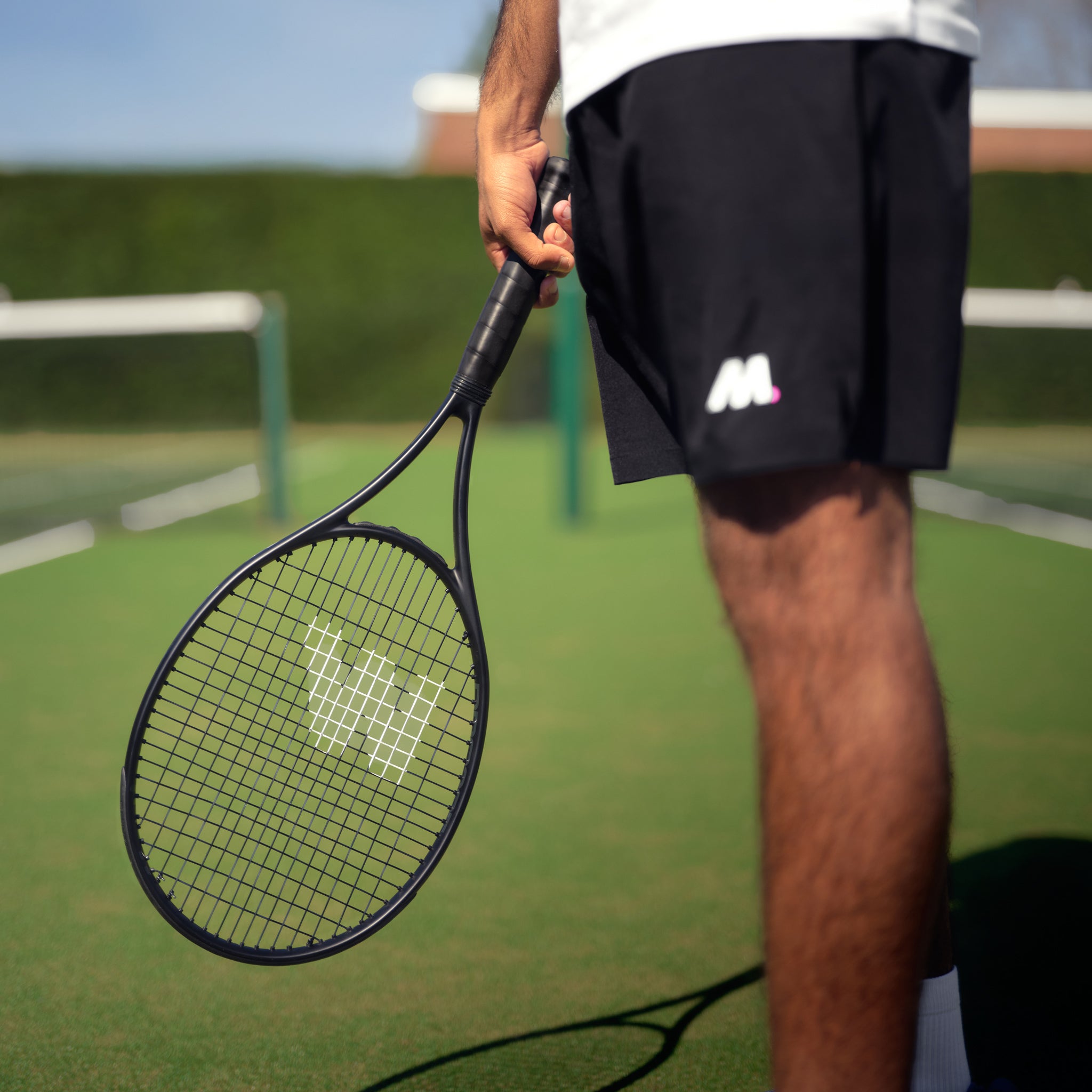
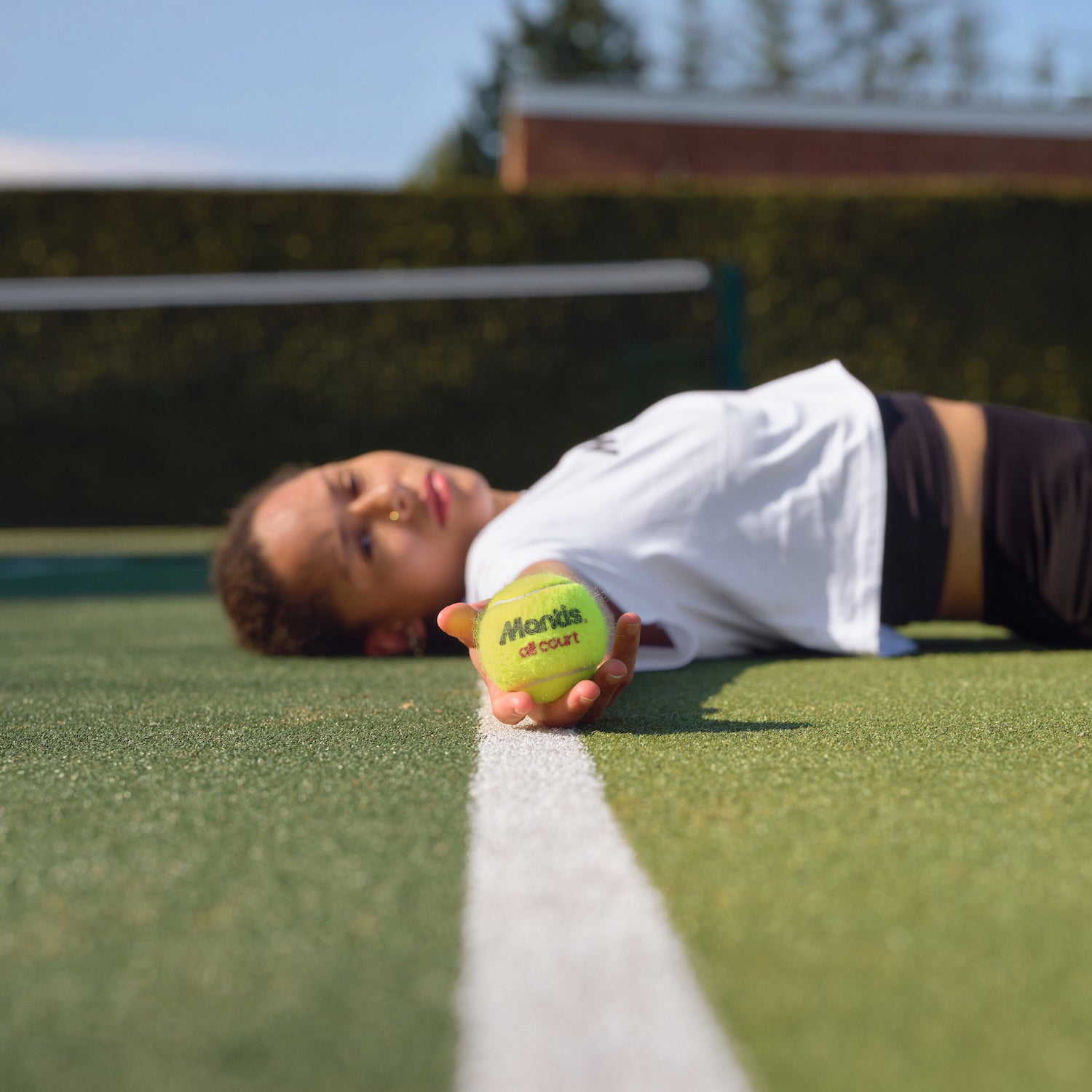






The term "top spin tennis academy" conjures images of dedicated athletes refining their craft on pristine courts, guided by coaches who understand that mastery comes through relentless practice and the right tools. Whether you're exploring academies in Singapore, India, Croatia, or anywhere else across the globe, these training grounds share a common thread: they exist for players who see tennis not as a weekend hobby, but as a lifelong pursuit of excellence. At Mantis, we understand this mindset intimately because our entire brand was built for those who show up early, stay late, and find genuine joy in the process of improvement.
What Defines a Top Spin Tennis Academy
Not all tennis academies are created equal. A true top spin tennis academy distinguishes itself through its commitment to fundamentals, particularly the biomechanics of generating consistent, powerful topspin. This isn't just about hitting harder-it's about understanding angles, racquet head speed, and the precise moment of ball contact.
The best academies structure their programmes around progressive skill development:
- Foundation building for beginners focusing on proper grip technique and footwork
- Intermediate training emphasising spin variation and court positioning
- Advanced programmes developing tactical awareness and mental resilience
- Performance pathways for competitive players seeking tournament success
What separates exceptional facilities like from recreational clubs is their holistic approach. These academies recognise that producing skilled players requires more than just court time-it demands proper equipment, individualised coaching, and a culture that celebrates incremental progress.
The Role of Quality Equipment in Academy Training
Walk into any serious top spin tennis academy and you'll notice something immediately: the gear matters. Coaches understand that developing proper technique requires equipment suited to each player's developmental stage and playing style.
Racquet Selection for Different Skill Levels
Young players need appropriately sized racquets that allow them to develop clean swing paths without compensating for unwieldy equipment. As players progress, their racquet requirements evolve:
| Player Level | Racquet Characteristics | Training Focus |
|---|---|---|
| Beginner | Lighter weight, larger head size | Coordination and consistency |
| Intermediate | Moderate weight, balanced feel | Spin generation and control |
| Advanced | Precision-weighted, smaller head | Power and placement accuracy |
This progression mirrors the philosophy where equipment recommendations align with training objectives. Mantis designs adult tennis rackets and junior rackets with this development pathway in mind, ensuring players have tools that support their journey rather than hinder it.
String Tension and Ball Quality
Advanced coaches at a top spin tennis academy pay meticulous attention to string tension. Lower tensions typically generate more power and spin, whilst higher tensions offer greater control-critical considerations when training players to develop their signature playing styles.
Ball quality is equally crucial. Using premium tennis balls during training ensures consistent bounce and response, allowing players to build muscle memory that translates directly to match situations. Inconsistent equipment creates inconsistent technique-a reality that serious academies simply cannot afford.
Training Methodologies That Drive Results
The coaching philosophy at a top spin tennis academy extends far beyond stroke mechanics.
Physical Development Components:
- Court movement patterns specific to topspin-heavy playing styles
- Strength training programmes targeting rotational power
- Flexibility work preventing injury whilst maximising range of motion
- Endurance conditioning for maintaining technique under fatigue
Modern academies leverage technology to accelerate player development.
The Community Aspect of Academy Culture
What truly distinguishes a top spin tennis academy from isolated private coaching is the community it cultivates. At Mantis, we've observed that players progress fastest when surrounded by others who share their dedication and work ethic.
These training environments create natural mentorship opportunities where advanced players demonstrate technique for developing juniors, whilst coaches foster an inclusive atmosphere that celebrates every breakthrough-whether it's a beginner's first consistent serve or an intermediate player mastering their kick serve.
Peer Learning and Competitive Camaraderie
Group training sessions at academies serve multiple purposes:
- Players learn to handle competitive pressure in a supportive environment
- Observing peers provides alternative perspectives on technique
- Friendly competition motivates consistent effort and improvement
- Shared challenges build lasting relationships and accountability
This community-first approach mirrors Mantis's own philosophy. We don't exist for the mainstream or the occasional player-we're here for those who understand that tennis is a journey without a finish line, where progress itself becomes the reward.
Choosing the Right Academy for Your Development
Not every top spin tennis academy will suit every player's needs. When evaluating options, consider the coaching-to-student ratio, programme structure, and whether the facility's values align with your own tennis journey.
Ask yourself these critical questions:
Do they emphasise fundamentals or quick wins? Quality academies prioritise proper technique over superficial improvements that create bad habits.
What's their coaching philosophy on equipment? Facilities that recommend generic gear regardless of individual needs often lack the attention to detail that separates good from exceptional.
How do they measure progress? The best academies track development beyond just match wins, recognising that skill acquisition follows a non-linear path.
Whether you're exploring comprehensive programmes at facilities or researching local options, ensure the academy's approach resonates with your commitment level. Those seeking high-performance pathways might look towards intensive programmes where world-class coaching teams guide competitive development.
The Equipment Advantage in Serious Training
Players enrolled at a top spin tennis academy quickly discover that their equipment choices directly impact their development trajectory. Whilst technique forms the foundation, the right racquet, strings, and balls amplify progress rather than limiting it.
For those committed to genuine improvement, investing in coaching equipment that matches training intensity makes practical sense. Mantis creates gear specifically for this segment-the dedicated amateur, the obsessed junior, the coach building the next generation-because we understand that quality without compromise isn't a luxury, it's a requirement for those serious about their craft.
The relationship between player and equipment should evolve naturally. As technique improves and playing style crystallises, equipment adjustments support continued development. This is why we offer resources like our comprehensive guide at racketbusiness.com, helping players and coaches make informed decisions about the tools that become extensions of their game.
Training at a top spin tennis academy represents more than just hitting balls-it's an immersion into a culture that values progress, precision, and the beauty found in relentless improvement. The right environment, coupled with equipment that supports rather than hinders development, creates the foundation for lasting growth in this magnificent sport. At Mantis, we craft precision racquets, balls, and gear for exactly these moments-for the early morning sessions, the late-night drills, and every incremental step forward on your tennis journey.