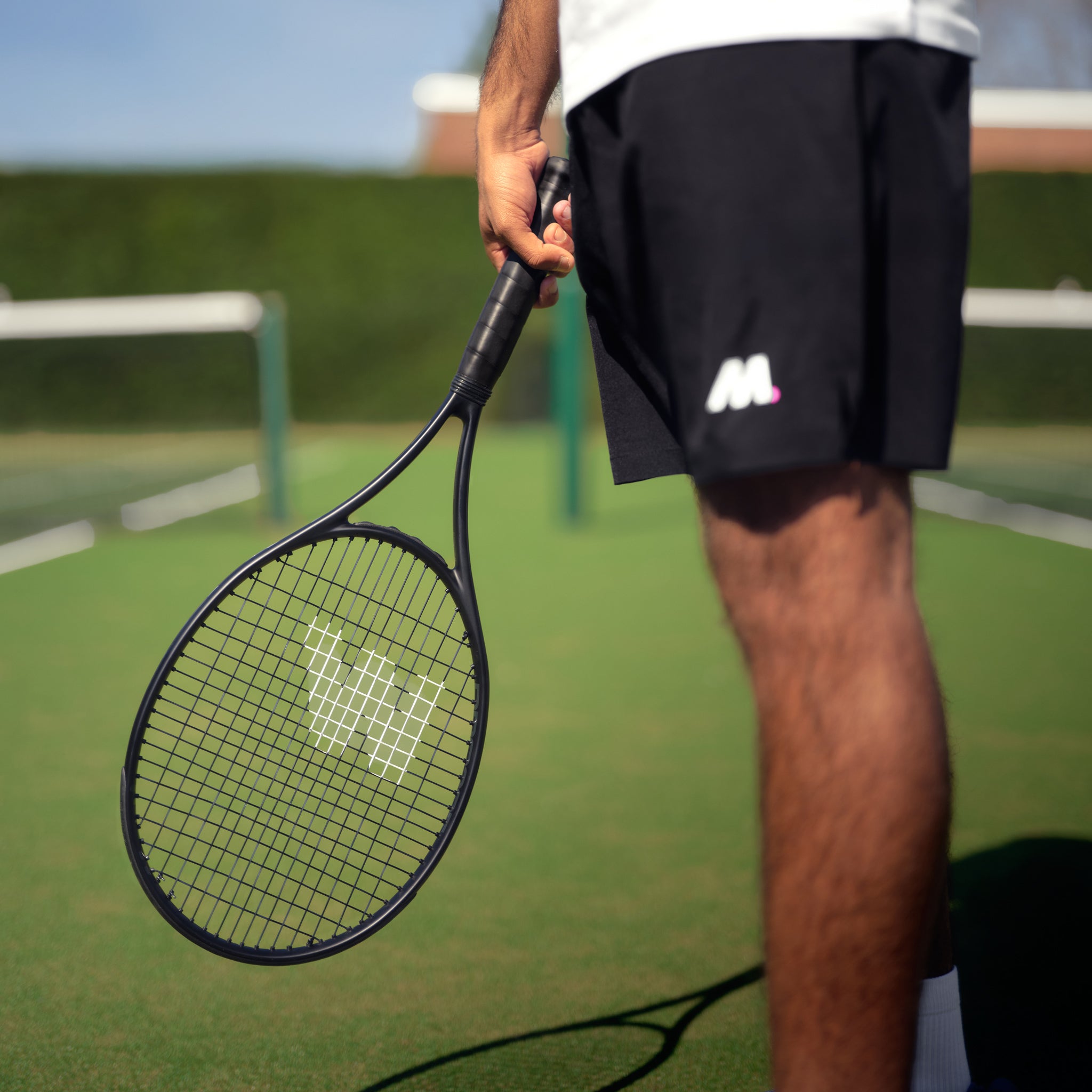






The term topspin academy might conjure images of elite training centres with immaculate courts and celebrity coaches. Yet the real work of mastering topspin happens in far more ordinary settings: club courts on Tuesday evenings, park facilities at dawn, and those dedicated practice sessions where progress feels incremental but profound. For players committed to the grind of improvement, understanding the topspin academy approach means embracing structured development over quick fixes. It's about building technique that stands up to pressure, serves you through thousands of rallies, and transforms your game from defensive to commanding.
The Foundation of Modern Spin-Based Tennis
Modern tennis has shifted dramatically towards spin-heavy gameplay.
The physics are straightforward: topspin creates a downward Magnus force, allowing aggressive shots to dip sharply and bounce high. This combination puts opponents on the back foot whilst providing the striker with a generous margin for error over the net.
Key benefits of topspin mastery include:
- Greater court coverage through higher net clearance
- Increased control on powerful groundstrokes
- Ability to generate awkward, high-bouncing balls
- Enhanced passing shot options in baseline exchanges
But here's where topspin academy methodology differs from casual play. Rather than simply instructing players to "brush up the ball," structured programmes break down the biomechanics into teachable, repeatable components. Players learn the interplay between racquet path, contact point, and body rotation that creates consistent spin production.
Breaking Down the Mechanics like a Topspin Academy
The traditional advice about brushing the ball has limitations. In fact, the reality of topspin mechanics challenges this oversimplified instruction, showing how effective topspin requires a more sophisticated understanding of racquet acceleration and ball contact.
At a topspin academy, coaches emphasise three critical phases:
- Preparation: Establishing proper unit turn and racquet position
- Contact: Achieving the optimal low-to-high swing path through the ball
- Extension: Following through with complete rotation and balance
The difference between adequate topspin and exceptional spin often lies in proper grip technique, which influences racquet face angle at contact and determines how much spin you can generate without sacrificing pace.
Drill Progressions That Build Real Skill
Topspin academy training distinguishes itself through systematic drill progressions. Unlike random ball-bashing sessions, these programmes build from foundational movements to match-like scenarios.
Early exercises focus on body positioning and swing path, using slower feeds and exaggerated movements to ingrain correct patterns.
| Drill Level | Focus Area | Typical Duration | Success Metric |
|---|---|---|---|
| Foundation | Swing path & balance | 2-3 weeks | Consistent contact point |
| Intermediate | Speed & spin variation | 4-6 weeks | Rally depth control |
| Advanced | Match pressure scenarios | Ongoing | Point construction ability |
The progression isn't rushed. Players spend sufficient time at each level to develop muscle memory before adding complexity. This patience separates serious development programmes from recreational coaching.
Serving With Purpose
Whilst groundstroke topspin receives most attention, the topspin serve remains an underutilised weapon amongst club players.
The topspin serve's characteristic bounce-high and kicking to the receiver's backhand side-creates awkward returns and sets up offensive opportunities. Yet the biomechanics differ significantly from groundstrokes, requiring specific attention to:
- Trophy position and back scratch motion
- Upward acceleration through contact
- Pronation timing for maximum spin generation
- Follow-through that promotes shoulder health
A proper topspin academy incorporates these serve variations into regular training, not as occasional experiments but as systematic skill development.
Advanced Concepts for Committed Players
Once foundational topspin mechanics become automatic, dedicated players benefit from exploring advanced topspin technique that addresses the nuances of spin without power loss.
This represents where topspin academy training truly shines. Coaches help players understand how racquet head speed, not just swing path, determines spin quantity. The goal becomes generating heavy topspin whilst maintaining enough pace to prevent opponents from setting up comfortably.
Advanced considerations include:
- Optimising contact point for various court positions
- Adjusting spin quantity based on ball height and speed
- Combining topspin with lateral movement patterns
- Reading opponent positioning to vary spin depth
These refinements separate competent club players from those who dominate their leagues. They're also where proper strength conditioning becomes critical, as generating heavy topspin repeatedly demands significant core and shoulder stability.
Mental Blocks and Breakthrough Strategies
Technical proficiency alone doesn't guarantee topspin success.
Fear of netting aggressive topspin shots leads to tentative swings. Anxiety about generating enough spin produces mechanical tension. These psychological obstacles require addressing through progressive exposure to match pressure and building confidence through successful repetitions.
Topspin academy environments create safe spaces for experimentation. Players attempt aggressive spins knowing mistakes serve as learning opportunities rather than failures. This mindset shift proves transformative for those accustomed to playing it safe.
Equipment Choices That Support Development
Quality gear accelerates topspin development, though it cannot substitute for proper technique. Understanding racquet specifications helps players select equipment aligned with their developmental stage and playing style.
Modern racquet design facilitates spin generation through:
- String patterns with wider spacing for increased ball bite
- Aerodynamic beam shapes reducing air resistance
- Weight distributions promoting faster racquet acceleration
- Materials offering optimal stiffness-to-weight ratios
For topspin-focused players, string tension choices prove equally critical. Lower tensions generally enhance spin potential by allowing strings greater movement and snapback, though individual preferences vary based on swing characteristics.
| String Tension | Spin Potential | Control Level | Best For |
|---|---|---|---|
| 45-50 lbs | Maximum | Moderate | Fast, compact swings |
| 50-55 lbs | High | Good | All-round baseline play |
| 55-60 lbs | Moderate | Maximum | Precise placement priority |
We recommend experimenting within these ranges whilst maintaining consistent technique, as equipment changes reveal their true impact only when swing mechanics remain stable. Seek the advice of a coach if you have any questions or try a tennis industry resource like Racket Business
The Role of Practice Surfaces
Topspin academy training benefits from exposure to different court surfaces, each rewarding spin in unique ways. Clay courts amplify topspin's effects, allowing extreme angles and high bounces. Hard courts provide consistent but moderate spin response. Grass minimises topspin advantages, rewarding flatter trajectories.
Training across surfaces develops adaptability. Players learn adjusting spin quantity and trajectory based on court characteristics, building the versatility that defines complete players.
Building Your Personal Development Programme
Creating a topspin academy experience doesn't require exclusive facilities or celebrity instruction. Dedicated players construct effective programmes through intelligent practice design and commitment to incremental improvement.
Start by establishing baseline competency through proper forehand technique and complementary backhand fundamentals. These strokes form the foundation upon which topspin mastery builds.
Weekly training might include:
- Technical drills emphasising swing path (30 minutes)
- Live ball rallies with spin focus (40 minutes)
- Match play incorporating topspin tactics (60 minutes)
- Video review and self-analysis (20 minutes)
- Targeted footwork development (30 minutes)
Consistency matters more than intensity. Four quality sessions weekly outperform sporadic marathon practices. The topspin academy mindset values sustainable progress over dramatic but short-lived improvements.
Measurement and Adjustment
Progress tracking transforms abstract improvement into concrete achievements. Record metrics like rally depth consistency, successful topspin passing shots, and service return quality over time.
Modern technology supports this analysis, though simple video review reveals most technical issues. Watching your swing path, contact point, and follow-through provides immediate feedback that accelerates learning.
When progress stalls, reassess fundamentals rather than adding complexity. Often, subtle grip adjustments or stance modifications unlock new performance levels. This diagnostic approach characterises effective topspin academy methodology-always returning to basics when advanced techniques falter.
Mastering topspin through academy-level training represents a commitment to deliberate practice and continuous refinement. For players who find joy in the process of improvement, this journey defines what tennis truly means. At Mantis, we create precision-crafted equipment for those who treat every practice session as an opportunity to progress, because we understand that the real game happens in these moments of dedicated work, not just during matches.